Concrete material pneumatic conveying systems represent a sophisticated approach to material handling, particularly in industrial and construction settings. These systems utilize air pressure to transport bulk materials like concrete, offering a solution that is both efficient and adaptable to various operational needs. Understanding the working principle and key features of such systems is essential for anyone involved in material processing or logistics.
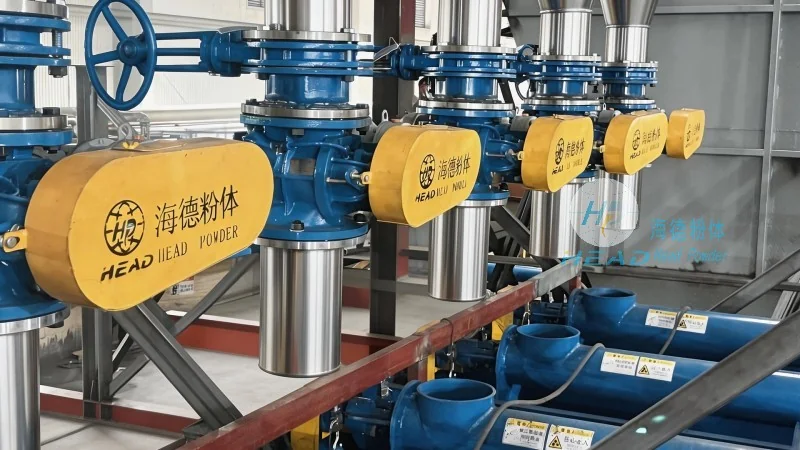
About Shandong HeadPowder Engineering Co., Ltd.
Shandong HeadPowder Engineering Co., Ltd., commonly known as HeadPowder, is a leading manufacturer and supplier of advanced material handling solutions. With a strong presence in China, particularly in Shandong province, the company specializes in designing, manufacturing, and implementing pneumatic conveying systems tailored to diverse industrial requirements. HeadPowder's commitment to quality, innovation, and customer satisfaction has established it as a trusted partner in the field of bulk material transportation.
Concrete Material Pneumatic Conveying Systems: Working Principle and Key Features
The core of a concrete material pneumatic conveying system lies in its ability to transport dry or semi-dry concrete powders through a network of pipes using compressed air. The working principle involves several key components and processes that work in tandem to ensure effective material movement. First, the concrete material is fed into a hopper or feeder, where it is then introduced into a pipeline. Compressed air, generated by a blower or compressor, is then introduced into the pipeline, creating a flow that propels the material forward. This process, often referred to as pneumatic transport, relies on the interaction between the air and the material particles to achieve movement.
One of the primary advantages of this method is its ability to handle fine or abrasive materials without the need for mechanical components that might wear out or cause blockages. The air flow helps to keep the material suspended and moving smoothly, reducing the risk of clogging and ensuring consistent throughput. Additionally, pneumatic conveying systems can operate in a closed environment, minimizing dust emissions and improving workplace safety. This is particularly important in environments where dust control is a regulatory or operational priority.
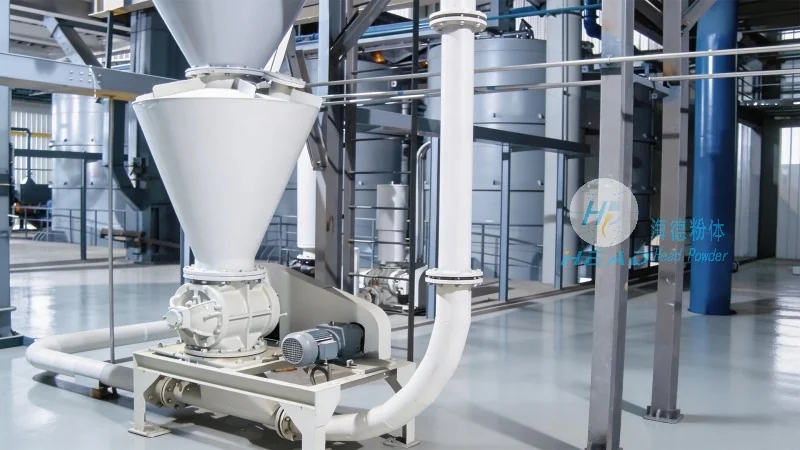
Key Features of Concrete Material Pneumatic Conveying Systems
Several distinct features make concrete material pneumatic conveying systems highly effective and versatile. Firstly, they offer high efficiency in material transport, with the ability to move large volumes of concrete over considerable distances with minimal energy consumption compared to traditional methods like belt conveyors or trucks. The systems are also flexible in terms of layout, as they can be configured to follow the existing infrastructure of a facility, adapting to different spatial constraints and operational requirements.
Another notable feature is the system's adaptability to different material types and particle sizes. Whether dealing with standard concrete mixes or specialized formulations, the pneumatic conveying system can be adjusted to handle varying densities and flow characteristics. This flexibility allows for seamless integration into existing production lines or new construction projects, ensuring that the material handling process remains efficient and reliable.
Furthermore, the systems are designed with durability and low maintenance in mind. High-quality materials are used in the construction of the pipelines, hoppers, and other components, ensuring long-term performance and reducing the need for frequent repairs. The use of air as the primary transport medium also minimizes wear and tear on the system components, contributing to lower operational costs over time.
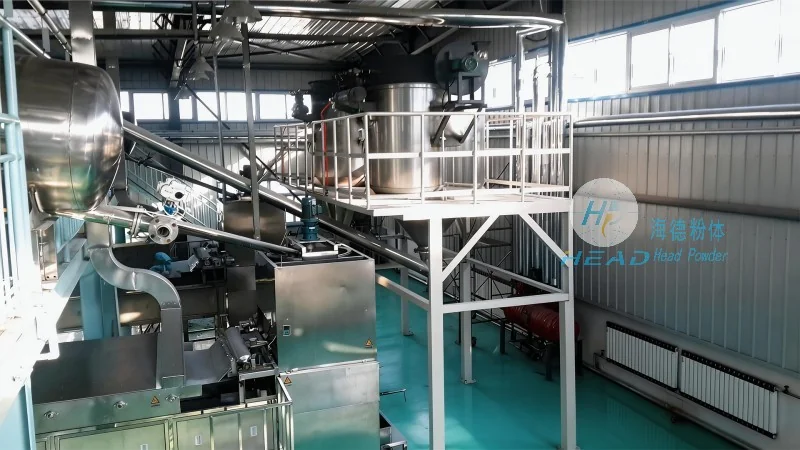
Applications and Operational Benefits
Concrete material pneumatic conveying systems find applications in various industries, including construction, precast concrete manufacturing, and concrete mixing plants. In construction sites, these systems are used to transport concrete from storage silos to mixing stations or directly to the work area, streamlining the material supply chain and reducing labor costs. In precast concrete factories, the systems help in moving raw materials to production lines, improving production efficiency and reducing downtime.
The operational benefits of using such systems extend beyond efficiency. By minimizing manual handling and reducing the need for large storage areas, the systems contribute to a safer and more organized work environment. The closed-loop design of the conveying system also helps in maintaining material quality by preventing contamination from external sources, which is crucial for high-strength concrete applications.
Conclusion
In summary, concrete material pneumatic conveying systems are a vital component in modern material handling, offering a reliable and efficient solution for transporting concrete and similar bulk materials. The working principle, which relies on compressed air to move material through a pipeline, combined with key features such as high efficiency, flexibility, and low maintenance, makes these systems an attractive choice for industries seeking to optimize their material transport processes. With a strong foundation in China, particularly in Shandong, companies like Shandong HeadPowder Engineering Co., Ltd. continue to innovate and provide advanced solutions that meet the evolving needs of the construction and industrial sectors.




