Perlite material pneumatic conveying systems are advanced industrial equipment designed to efficiently transport perlite, a lightweight, expandable volcanic rock, from one location to another. These systems are widely used in various industries due to their ability to handle fine powders and granular materials with minimal dust generation and high operational efficiency. The following sections will explore the working principle and key features of such systems, providing a comprehensive understanding of their functionality and benefits.
Company Introduction
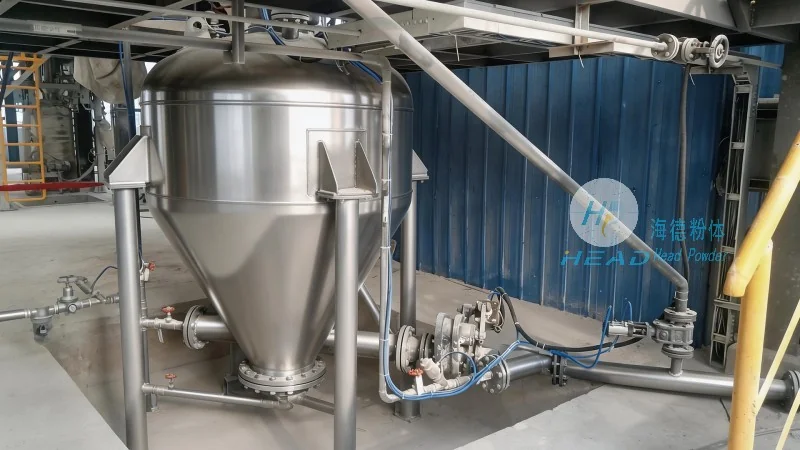
HeadPowder, or Shandong HeadPowder Engineering Co., Ltd., is a leading manufacturer specializing in the design, development, and supply of pneumatic conveying solutions. With a strong focus on innovation and customer satisfaction, the company has established itself as a trusted partner in the material handling industry. HeadPowder's expertise lies in creating customized pneumatic conveying systems tailored to the specific needs of clients, ensuring optimal performance and reliability in diverse operational environments. The company's headquarters is located in Shandong, China, where its state-of-the-art facilities and experienced engineering team work collaboratively to deliver high-quality products and services.
Working Principle of Perlite Material Pneumatic Conveying Systems
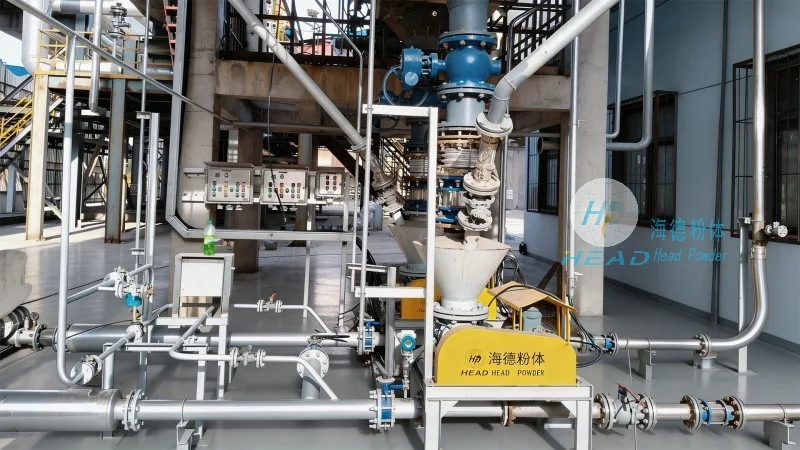
The core working principle of perlite material pneumatic conveying systems revolves around the use of compressed air to transport the material. The system typically consists of a hopper, a conveying line, a control valve, and a receiver. The process begins with the perlite being fed into the hopper, where it is then drawn into the conveying line by the action of the compressed air. As the air flows through the line, it creates a low-pressure zone that pulls the material along with it, ensuring a continuous and uniform flow. The compressed air is generated by a blower or compressor, which supplies the necessary pressure to move the material through the system. The conveying line is usually made of stainless steel or other corrosion-resistant materials to prevent material degradation and ensure durability. The control valve regulates the flow of air and material, allowing for precise control over the conveying process. The receiver collects the perlite at the destination, where it is discharged for further processing or storage. This pneumatic conveying method eliminates the need for mechanical components such as belts or buckets, reducing maintenance requirements and minimizing the risk of material contamination.
Key Features of Perlite Material Pneumatic Conveying Systems
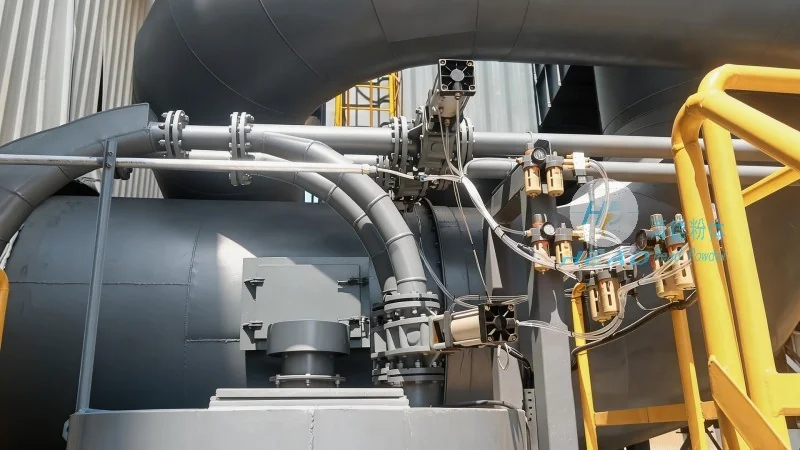
Perlite material pneumatic conveying systems offer several distinct advantages that make them ideal for handling perlite and similar materials. One of the primary features is the ability to transport materials over long distances with minimal energy consumption. The systems are designed to operate efficiently, using only the necessary amount of compressed air to move the material, which reduces operational costs and environmental impact. Another key feature is the low dust generation, which is crucial for maintaining a clean and safe working environment. The enclosed conveying process prevents dust from being released into the air, improving air quality and reducing the risk of respiratory issues for workers. Additionally, these systems are highly flexible and can be easily adapted to different operational requirements. They can be configured to handle varying material flow rates, distances, and particle sizes, making them suitable for a wide range of applications. The systems also offer high reliability and durability, with components designed to withstand the abrasive nature of perlite and other similar materials. This ensures long service life and minimal downtime, contributing to overall operational efficiency. Furthermore, the pneumatic conveying systems are easy to install and maintain, with modular components that can be replaced or upgraded as needed. This flexibility allows for cost-effective maintenance and ensures that the system can be adapted to changing production needs over time.
Applications and Benefits in Industrial Settings
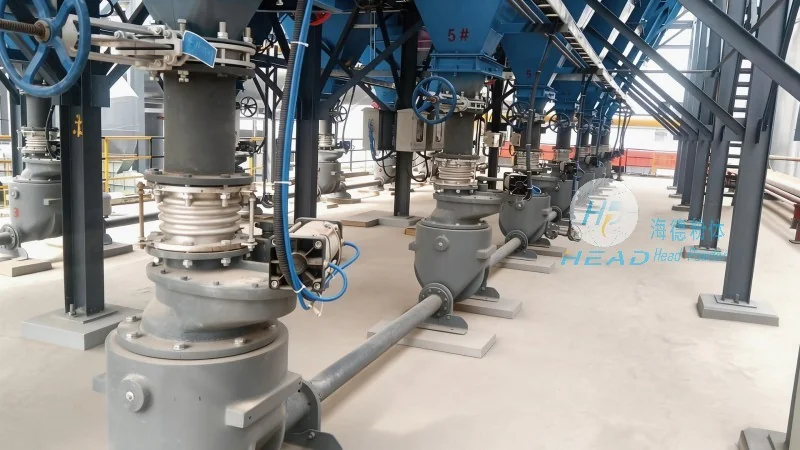
Perlite material pneumatic conveying systems find extensive applications in various industrial sectors, including construction, agriculture, and chemical processing. In the construction industry, perlite is commonly used as a lightweight aggregate in concrete and plaster, and the conveying systems ensure efficient transportation of raw materials to production sites. In agriculture, perlite is used as a soil amendment and in horticulture, and the systems facilitate the movement of perlite from storage to application areas. The chemical processing industry also utilizes perlite for insulation and filtration purposes, and the pneumatic conveying systems ensure safe and efficient handling of the material. The benefits of using these systems in industrial settings are significant. They improve production efficiency by reducing material handling time and labor costs. The low dust generation and enclosed system design enhance workplace safety and compliance with environmental regulations. Additionally, the energy efficiency of the systems contributes to lower operational costs and reduced carbon footprint. Overall, perlite material pneumatic conveying systems provide a reliable and cost-effective solution for material handling, making them an essential component in modern industrial operations.




