For industrial applications dealing with glass waste, efficient material handling is crucial. A pneumatic conveying line specifically designed for glass waste offers a reliable solution that integrates seamlessly into waste management processes. This article explores the working principle and key features of such a system, highlighting how it enhances operational efficiency and sustainability in glass recycling operations.
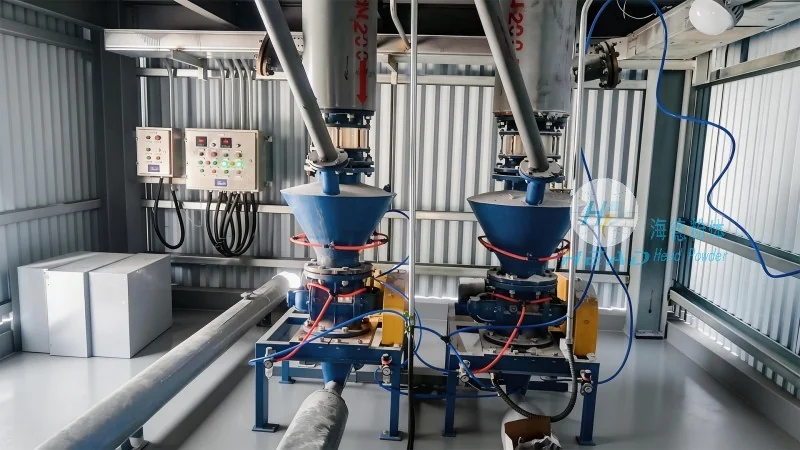
The Working Principle of Glass Waste Pneumatic Conveying Lines
At the core of a glass waste pneumatic conveying line is the use of air as the primary medium to transport material. The system operates by creating a pressure differential between the intake and discharge points. Air is drawn into the system through a hopper or inlet, where glass waste is introduced. As the material enters the conveying line, it is entrained by the moving air stream, which transports it through the pipeline to the destination point, such as a storage silo or processing unit. The system typically employs positive or negative pressure depending on the application, ensuring consistent and controlled material flow.
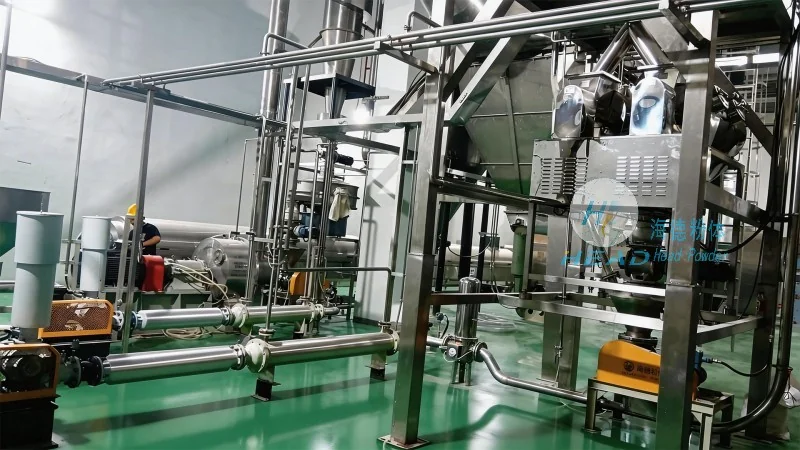
Key Features of Glass Waste Pneumatic Conveying Systems
Several critical features distinguish high-quality glass waste pneumatic conveying systems. First, the design incorporates robust materials that can withstand the abrasive nature of glass particles, preventing wear and extending the system's lifespan. The system also includes advanced control mechanisms that allow for precise regulation of air pressure and flow rate, ensuring optimal material transport without excessive energy consumption. Additionally, the line is equipped with cleaning and maintenance features, such as purge valves and inspection ports, which facilitate regular upkeep and minimize downtime. Another notable feature is the integration of safety measures, including pressure relief valves and emergency shut-off systems, to protect operators and equipment from potential hazards.
Applications and Benefits in Glass Recycling
Glass waste pneumatic conveying lines are widely used in various stages of the glass recycling process. They are particularly effective in transporting crushed glass from collection points to processing facilities, where it is further sorted and prepared for re-melting. The system's ability to handle large volumes of material efficiently reduces the need for manual handling, which not only improves safety but also enhances productivity. Furthermore, the enclosed nature of the conveying line minimizes dust emissions and environmental contamination, aligning with modern environmental regulations and sustainability goals.
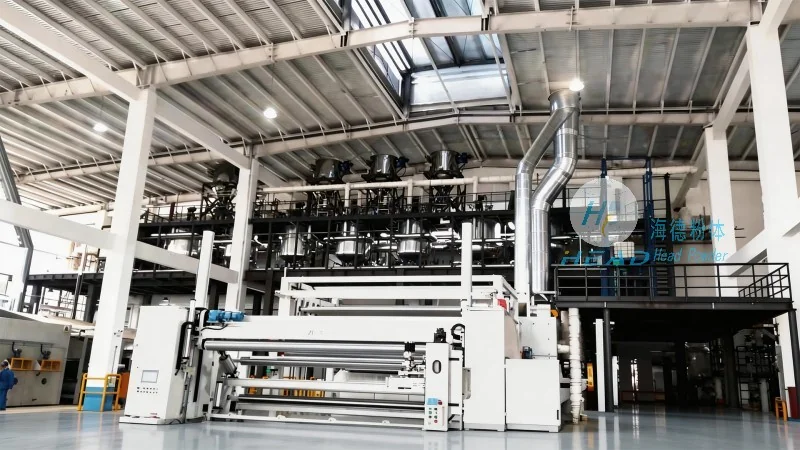
About Shandong HeadPowder Engineering Co., Ltd.
Shandong HeadPowder Engineering Co., Ltd., operating under the brand name headpowder, is a leading manufacturer of specialized material handling equipment. With a focus on innovation and quality, the company designs and manufactures pneumatic conveying systems tailored to the unique needs of glass waste management. HeadPowder's expertise in engineering ensures that their products meet the highest standards of performance, durability, and safety. The company's commitment to customer satisfaction and technical support has established it as a trusted partner in the industry, providing reliable solutions for efficient glass waste processing. The company is headquartered in Shandong, China, where it operates from its main facility, serving clients globally with expertise and innovation.




