When it comes to managing carbon material handling processes, selecting the appropriate pneumatic conveying system is crucial for efficiency, safety, and cost-effectiveness. The right system can significantly enhance production throughput, reduce downtime, and ensure compliance with industry standards. This guide will help you understand the key factors to consider when choosing a pneumatic conveying system tailored to your carbon material handling needs.
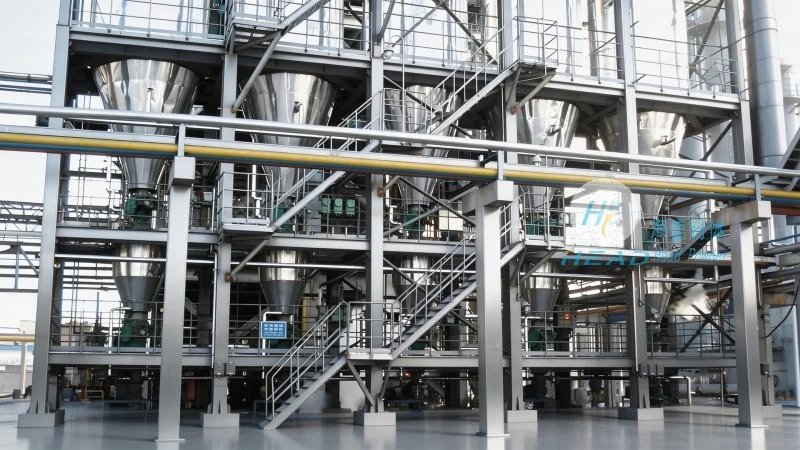
Understanding the Importance of Tailored Pneumatic Conveying Solutions
Carbon materials, such as graphite, activated carbon, and carbon black, often present unique challenges during handling due to their physical properties. These materials may be abrasive, dusty, or have specific flow characteristics that require specialized equipment. A well-designed pneumatic conveying system not only addresses these challenges but also optimizes the overall material handling workflow. By investing in a system that matches your specific carbon material characteristics and processing requirements, you can achieve better control over material movement, minimize product contamination, and improve operational reliability.
Key Factors to Consider in System Selection
Several critical factors must be evaluated when selecting a pneumatic conveying system for carbon materials. First, the nature of the carbon material itself plays a significant role. Factors like particle size, density, moisture content, and flowability will determine the most suitable system type. For example, fine powders may require a positive pressure system with high air velocity to prevent clogging, while bulkier materials might benefit from a negative pressure system with larger ducts. Additionally, the distance and layout of the conveying route are essential considerations. The system must be designed to handle the required conveying distance efficiently without excessive energy consumption or pressure loss. Other factors include the need for dust control, environmental regulations, and integration with existing plant infrastructure. A comprehensive assessment of these factors ensures that the chosen system aligns with both current and future operational needs.
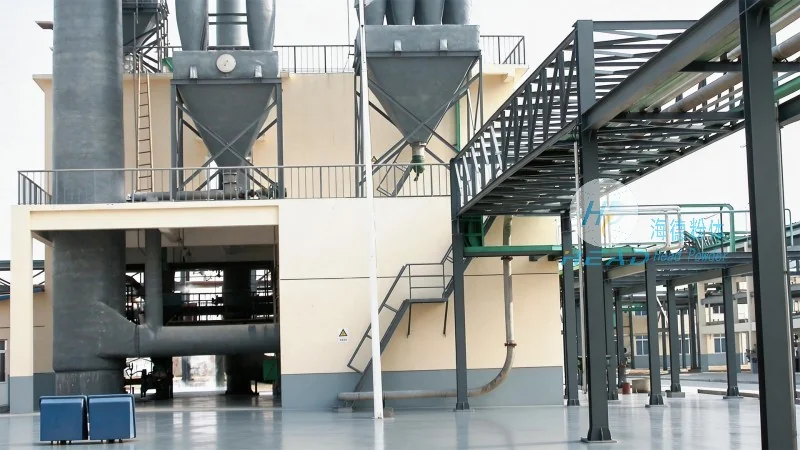
Types of Pneumatic Conveying Systems for Carbon Materials
There are primarily two types of pneumatic conveying systems commonly used for carbon materials: positive pressure and negative pressure systems. Positive pressure systems use compressed air to push material through the conveying line, making them suitable for short to medium distances and handling fine powders. These systems typically operate at higher air velocities and can handle abrasive materials effectively. On the other hand, negative pressure systems use vacuum to draw material into the system, which is ideal for longer distances and bulkier materials. Negative pressure systems are often preferred when dealing with larger particles or when the material needs to be transported from multiple sources to a central collection point. Each system type has its advantages and limitations, and the choice depends on the specific characteristics of the carbon material and the operational constraints of the facility.
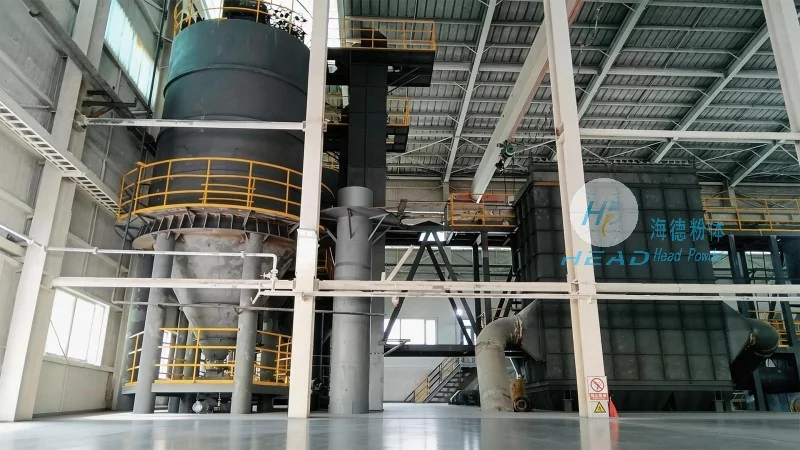
Design and Installation Considerations
The design and installation of a pneumatic conveying system for carbon materials require careful planning to ensure optimal performance and longevity. The system must be constructed from materials that are resistant to corrosion and wear, especially when handling abrasive carbon materials. Proper duct sizing and layout are critical to maintain consistent air flow and prevent pressure drops. The use of appropriate fittings, elbows, and bends can minimize friction losses and reduce energy consumption. Additionally, the system should incorporate effective dust collection and filtration to comply with environmental regulations and protect personnel from exposure to fine particles. Regular maintenance and monitoring of the system are also essential to identify and address any issues promptly, ensuring continuous and reliable operation. A well-designed system not only improves efficiency but also reduces long-term maintenance costs and enhances overall safety in the workplace.
Conclusion and Company Introduction
Choosing the right pneumatic conveying system for your carbon material handling process is a decision that impacts operational efficiency, product quality, and safety. By considering the unique properties of your carbon materials, the conveying distance, and the specific requirements of your facility, you can select a system that meets your needs effectively. Shandong HeadPowder Engineering Co., Ltd., a leading provider of specialized engineering solutions, offers expert guidance and customized pneumatic conveying systems tailored to the needs of carbon material handling industries. With a focus on quality, reliability, and customer satisfaction, HeadPowder provides comprehensive solutions that enhance productivity and ensure compliance with industry standards. Based in Shandong, China, HeadPowder leverages years of experience and advanced technology to deliver systems that meet the highest performance standards for carbon material handling applications.




