For businesses involved in asphalt powder handling, selecting the appropriate pneumatic conveying system is a critical decision that impacts operational efficiency, safety, and overall cost-effectiveness. The right system ensures that asphalt powder is transported reliably and safely from storage to processing equipment, minimizing downtime and reducing the risk of material loss or contamination. This guide will help you navigate the key factors to consider when choosing a pneumatic conveying system tailored to your asphalt powder handling process.
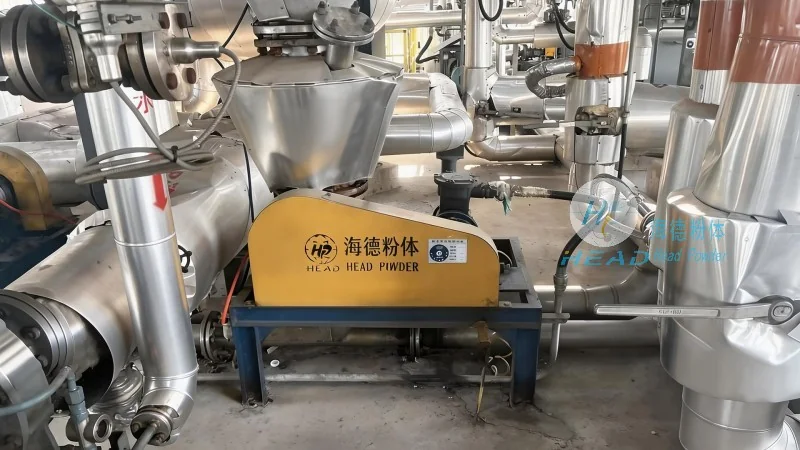
Understanding the Importance of Asphalt Powder Handling Systems
Asphalt powder, a fine powder derived from the production of asphalt, is a vital component in various construction and road-building applications. Its handling requires specialized equipment due to its fine particle size and potential for dust generation. Traditional methods like manual handling or bucket elevators are often inefficient and pose health and safety risks. Pneumatic conveying systems offer a modern, automated solution that addresses these challenges by providing a closed-loop system that controls dust, ensures material integrity, and enhances process control.
About Shandong HeadPowder Engineering Co., Ltd.
Shandong HeadPowder Engineering Co., Ltd. is a leading provider of customized pneumatic conveying solutions, with a strong presence in China. Based in Shandong, the company specializes in designing and manufacturing systems tailored to the unique needs of asphalt powder handling. With years of experience in the industry, HeadPowder combines engineering expertise with customer-centric approaches to deliver reliable and efficient conveying systems. The company’s commitment to quality and innovation has made it a trusted partner for businesses seeking to optimize their asphalt powder handling processes.
Key Factors to Consider When Selecting a Pneumatic Conveying System
Choosing the right pneumatic conveying system for asphalt powder involves evaluating several key factors. The first consideration is the material characteristics of the asphalt powder, including its particle size distribution, moisture content, and flowability. These properties determine the type of system that will be most effective. For example, systems designed for fine powders with high moisture content may require additional features like moisture control or anti-caking measures.
Another critical factor is the system's pressure requirements. Pneumatic conveying systems can be categorized into two main types: positive pressure (or pressure) systems and negative pressure (or vacuum) systems. Positive pressure systems use compressed air to push material through the pipeline, while negative pressure systems use suction to draw material. The choice between these systems depends on the distance, elevation, and layout of the conveying route. For longer distances or higher elevations, positive pressure systems are often more suitable due to their higher pressure capabilities. Conversely, negative pressure systems are ideal for short distances or when material needs to be drawn from multiple sources.
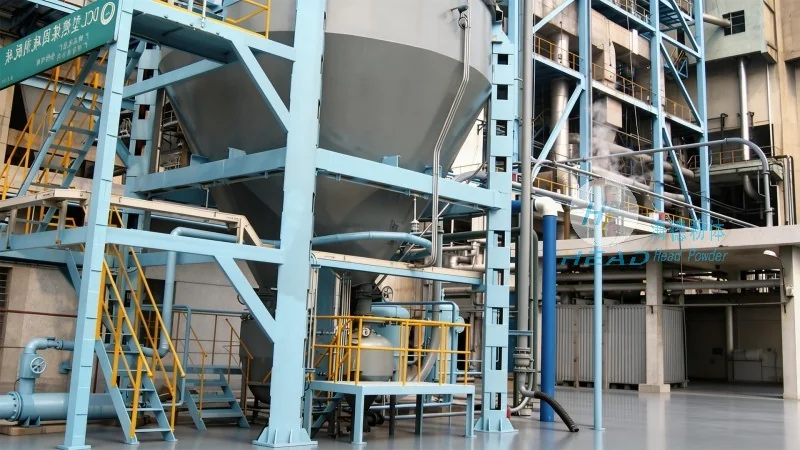
Capacity and flow rate are also essential considerations. The system must be able to handle the required volume of asphalt powder without causing blockages or excessive pressure drops. This involves calculating the material's bulk density and the desired conveying velocity. Proper sizing of the pipeline diameter and air velocity is crucial to maintain a consistent flow and prevent material degradation. Additionally, the system's ability to handle variations in material feed rate is important, especially in dynamic production environments.
System reliability and maintenance are other factors that should not be overlooked. Asphalt powder can be abrasive and may cause wear on system components over time. Therefore, selecting materials that are resistant to corrosion and wear, such as stainless steel or specialized coatings, is important. The system's design should also include features that facilitate easy maintenance, such as accessible components and clear indicators for pressure or flow monitoring. Regular maintenance, including cleaning and component replacement, is essential to ensure long-term system performance and minimize downtime.
Types of Pneumatic Conveying Systems for Asphalt Powder
Several types of pneumatic conveying systems are available for asphalt powder handling, each with its own advantages and applications. The most common types include dense-phase conveying, dilute-phase conveying, and hybrid systems.
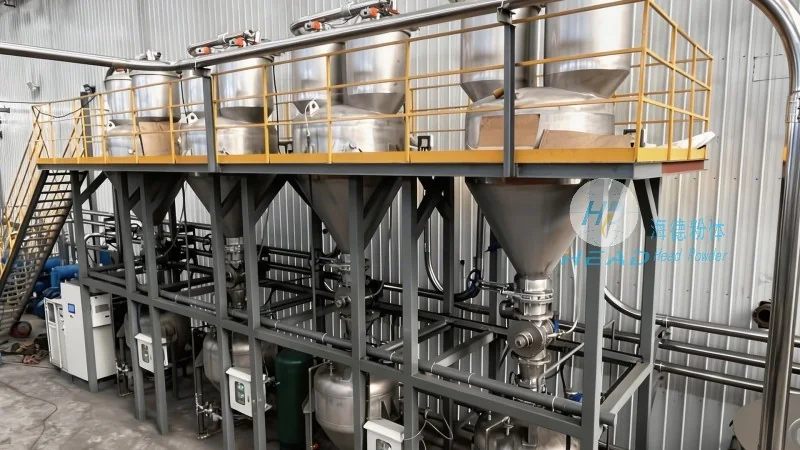
Dense-phase conveying systems operate at low air-to-material ratios, typically 0.5 to 1.0 cubic feet of air per pound of material. This method ensures that the material is conveyed in a solid plug, minimizing particle separation and reducing the risk of dust generation. Dense-phase systems are ideal for handling fine, abrasive materials like asphalt powder, as they provide gentle transport that preserves material integrity. They are commonly used for short to medium distances and can handle high volumes of material with minimal pressure drop.
Dilute-phase conveying systems, on the other hand, operate at higher air-to-material ratios, typically 5 to 10 cubic feet of air per pound of material. These systems use high-velocity air to transport material in a suspended state. Dilute-phase systems are suitable for longer distances and can handle a wide range of materials, including those with varying particle sizes. However, they may generate more dust and require more energy compared to dense-phase systems. Dilute-phase systems are often used in applications where material needs to be transported over longer distances or where flexibility in layout is required.
Hybrid systems combine elements of both dense-phase and dilute-phase conveying. They use a combination of low and high air-to-material ratios to achieve optimal performance. For example, a hybrid system might use a dense-phase mode for the initial portion of the conveying route to minimize material degradation and then switch to a dilute-phase mode for the remainder of the distance. This approach allows for efficient transport over longer distances while maintaining the benefits of dense-phase conveying.
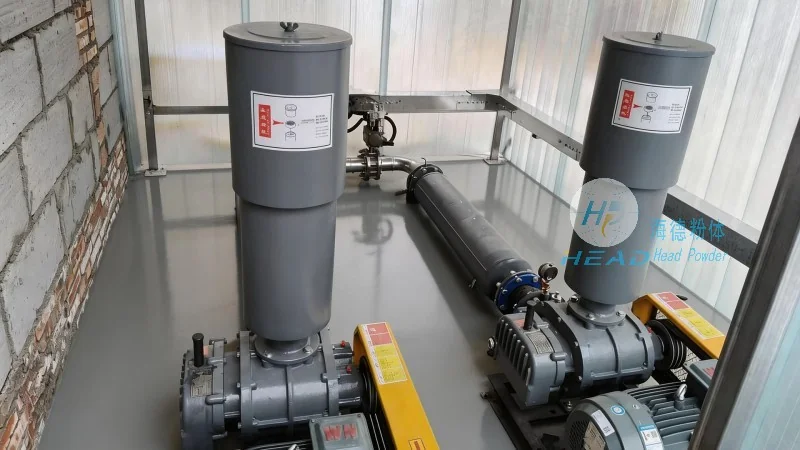
Customization and Integration with Existing Processes
One of the key advantages of working with a specialized company like Shandong HeadPowder Engineering Co., Ltd. is the ability to customize the pneumatic conveying system to fit existing production lines and processes. The company’s engineers work closely with clients to understand their specific requirements, including the layout of storage silos, processing equipment, and any existing infrastructure. This collaboration ensures that the system is designed to integrate seamlessly with the existing workflow, minimizing disruptions during installation and operation.
Customization may include features such as multiple inlet and outlet points, variable speed drives to control flow rates, and integration with process control systems. For example, a system may be designed to feed asphalt powder directly into a mixing plant or a storage silo, with the ability to adjust the feed rate based on production demand. The company also considers factors like space constraints and environmental regulations when designing the system, ensuring compliance with local standards and minimizing the environmental impact of dust emissions.
HeadPowder’s approach to customization also includes providing comprehensive support throughout the project lifecycle. From initial design and engineering to installation and commissioning, the company ensures that the system meets all performance specifications and operates efficiently. Post-installation support, including maintenance services and technical assistance, is also available to help clients maintain optimal system performance over time.
Conclusion
Selecting the right pneumatic conveying system for asphalt powder handling is a complex process that requires careful consideration of material properties, system requirements, and operational needs. By evaluating factors such as pressure type, capacity, and system reliability, businesses can choose a solution that enhances efficiency, safety, and cost-effectiveness. Working with a reputable company like Shandong HeadPowder Engineering Co., Ltd., which has expertise in designing and manufacturing customized systems, can help ensure that the chosen system meets all requirements and delivers long-term benefits. Whether you are upgrading an existing system or installing a new one, investing in the right pneumatic conveying system is a strategic decision that can significantly improve your asphalt powder handling operations.




