Monosodium glutamate (MSG), commonly known as a flavor enhancer, is widely used in the food industry. The efficient and safe transportation of MSG is crucial for industrial production processes. This article introduces the principle and working scene characteristics of a monosodium glutamate pneumatic conveying system, highlighting the technical advantages and practical applications of such systems in the production environment.
About the Company: Shandong HeadPowder Engineering Co., Ltd.
HeadPowder, a leading engineering company based in Shandong, China, specializes in the design, manufacturing, and installation of advanced pneumatic conveying systems. With years of experience in the chemical and food processing industries, HeadPowder has developed a comprehensive range of solutions tailored to meet the specific needs of clients, ensuring high efficiency, reliability, and safety in material handling operations.
What is a Pneumatic Conveying System?
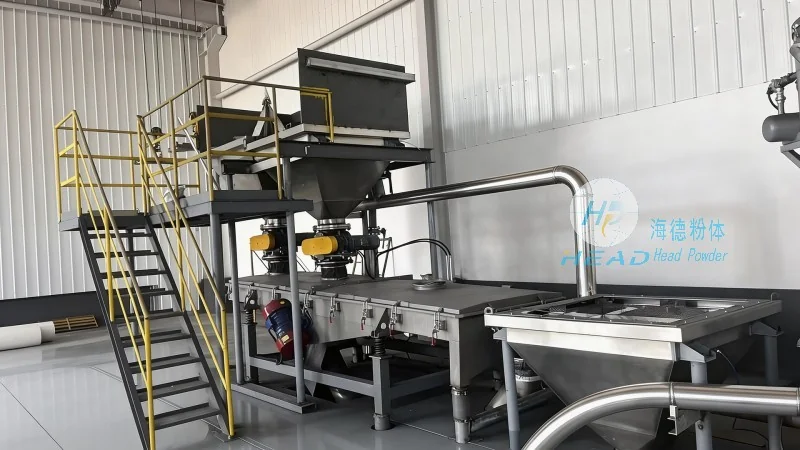
A pneumatic conveying system is a method of transporting bulk materials, such as powders and granules, through a pipeline using air or other gases. In the case of monosodium glutamate, this system utilizes compressed air to move the product from one location to another, eliminating the need for mechanical components like conveyors or elevators. The system typically consists of a hopper, a rotary valve, a pipeline, and a receiver, all working in tandem to ensure smooth and continuous material flow.
The Working Principle of Monosodium Glutamate Pneumatic Conveying
The core principle of the monosodium glutamate pneumatic conveying system is the creation of a pressure differential that propels the material through the pipeline. The process begins with the material being fed into the hopper from a storage silo. A rotary valve then controls the flow of MSG into the pipeline, where it is mixed with compressed air. The air, under pressure, creates a flow that carries the powder forward, overcoming the resistance of the pipeline and any obstacles along the way. The receiver at the end of the pipeline collects the material, while the air is either filtered and recycled or vented to the atmosphere, depending on the system design.
Key Components and Their Functions
Several critical components make up a monosodium glutamate pneumatic conveying system, each playing a vital role in the overall operation:
1. Hopper: The hopper is the initial storage and feeding unit, designed to hold a large quantity of monosodium glutamate while maintaining a consistent flow rate. It is equipped with a discharge valve to control the material release.
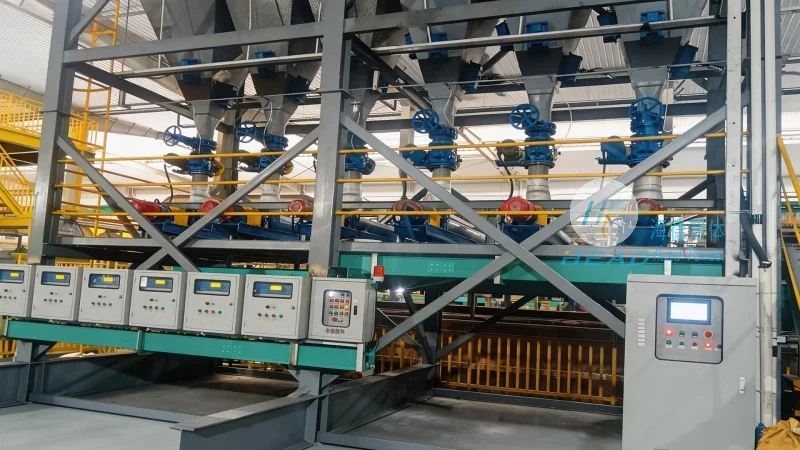
2. Rotary Valve: This component acts as a gate, regulating the amount of MSG entering the pipeline. It ensures that the material is fed at a controlled rate, preventing overloading and maintaining system stability.
3. Pipeline: The pipeline is the main conduit for transporting the material. It is typically made of stainless steel or other corrosion-resistant materials to prevent contamination and ensure durability. The pipeline design, including bends and fittings, is optimized to minimize pressure loss and maintain efficient flow.
4. Compressor and Air Treatment System: The compressor generates the necessary pressure to move the material through the pipeline. The air treatment system, which includes filters and dryers, ensures that the air used is clean and dry, preventing moisture and contaminants from affecting the quality of the monosodium glutamate.
5. Receiver: The receiver is the final collection point, where the conveyed MSG is deposited. It is designed to handle the material flow and prevent spillage or contamination.
Working Scene Characteristics and Applications
The monosodium glutamate pneumatic conveying system is particularly suitable for various working scenes, including:
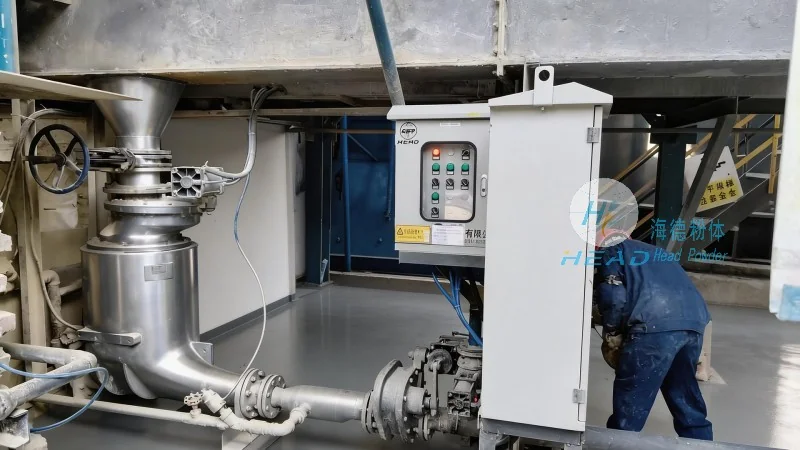
1. Production Lines: In large-scale food processing plants, the system efficiently transports MSG from storage to processing units, such as mixing and packaging areas. This ensures a continuous supply of raw material, reducing downtime and improving production efficiency.
2. Storage and Handling: The system can be used to move MSG between different storage silos or from the production floor to bulk storage areas. This allows for flexible material management and inventory control.
3. Quality Control: By using a closed system, the pneumatic conveying process minimizes exposure to air and contaminants, maintaining the purity and quality of the monosodium glutamate. This is crucial for meeting regulatory standards and ensuring product safety.
4. Environmental Considerations: The closed pipeline design reduces dust emissions and improves workplace safety, making it an environmentally friendly solution for material handling in the food industry.
Advantages of Monosodium Glutamate Pneumatic Conveying Systems
Compared to traditional mechanical conveying methods, monosodium glutamate pneumatic conveying systems offer several advantages:
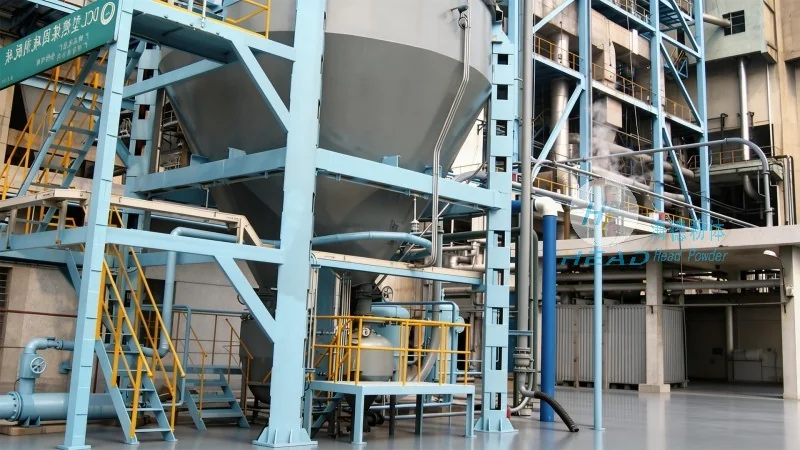
1. High Efficiency: The system can transport large quantities of material over long distances with minimal energy consumption, making it cost-effective for industrial applications.
2. Low Maintenance: With fewer moving parts compared to mechanical conveyors, the pneumatic system requires less maintenance, reducing operational costs and downtime.
3. Flexibility: The system can be easily reconfigured or expanded to accommodate changes in production needs or facility layout.
4. Safety: The closed system prevents dust explosions and reduces the risk of material contamination, ensuring a safe working environment.
Conclusion
Monosodium glutamate pneumatic conveying systems, as developed by Shandong HeadPowder Engineering Co., Ltd., provide an efficient, reliable, and safe solution for the transportation of monosodium glutamate in the food industry. By understanding the working principle and characteristics of such systems, businesses can optimize their material handling processes, improve production efficiency, and maintain product quality. HeadPowder's expertise in engineering and manufacturing ensures that clients receive tailored solutions that meet their specific requirements, contributing to the success of their operations.




