For industrial applications involving rubber granules, efficient material handling is crucial. The pneumatic conveying system represents a sophisticated solution that leverages air as the primary medium to transport rubber particles. This technology is integral to modern manufacturing processes, offering advantages such as reduced labor costs, minimized contamination, and enhanced operational safety.
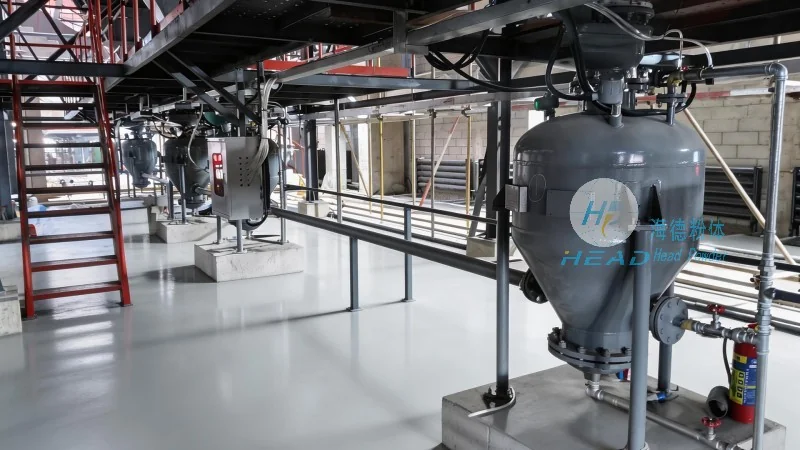
Understanding the Core Principle of Pneumatic Conveying for Rubber Granules
The fundamental principle of rubber granule pneumatic conveying systems revolves around the use of compressed air to create a flow that propels the granules through a pipeline. This method, often categorized as either pressure or vacuum-based, depends on the specific requirements of the application. In pressure systems, a blower or compressor generates high-pressure air that forces the rubber granules into the pipeline, while vacuum systems utilize a vacuum pump to draw the material from the source. The choice between these systems is typically determined by factors like the distance of material transport, the volume of material to be moved, and the need for gentle handling of the granules.
Key Components and Their Functions in Rubber Granule Pneumatic Conveying
At the heart of a rubber granule pneumatic conveying system are several critical components that work in concert to ensure efficient operation. The primary components include the air supply unit (such as a blower or compressor), the material feed hopper, the conveying pipeline, and the discharge unit. The air supply unit generates the necessary pressure or vacuum to move the material. The feed hopper stores the rubber granules and regulates the flow into the pipeline, often equipped with a valve to control the discharge rate. The conveying pipeline, typically made of durable materials like stainless steel or plastic, transports the granules and air mixture. Finally, the discharge unit, which may include a filter or separator, removes the rubber granules from the air stream and directs them to the destination point. Each component plays a vital role in maintaining the system's efficiency and reliability.
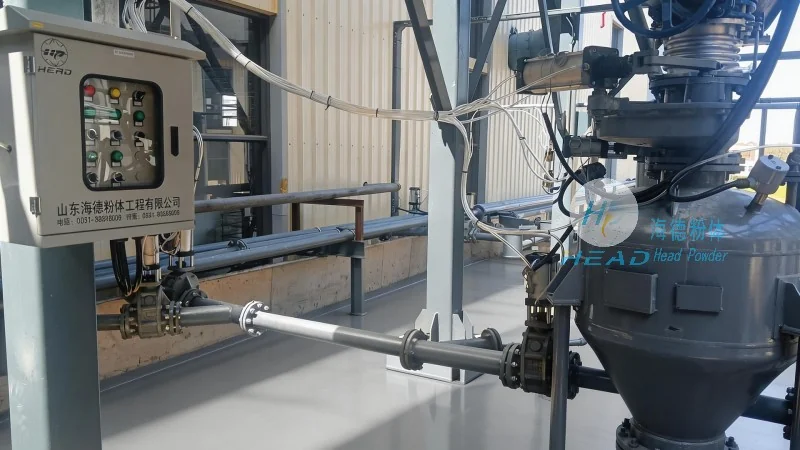
Application Scenarios and Benefits of Rubber Granule Pneumatic Conveying
Rubber granule pneumatic conveying systems find extensive application across various industries, particularly in the rubber manufacturing sector. One of the most common scenarios is the transportation of rubber granules from storage silos or processing units to mixing or compounding equipment. This application is vital for ensuring a consistent and continuous supply of raw material, which is essential for maintaining production line efficiency. Another key scenario involves the transfer of rubber granules between different processing stages, such as from grinding to drying or from compounding to packaging. The ability to handle these transfers without manual intervention significantly reduces labor costs and minimizes the risk of contamination.
In addition to industrial processing, pneumatic conveying systems are also employed in recycling operations for rubber granules. For instance, in tire recycling facilities, the system can efficiently transport shredded rubber from the shredding stage to the granulation and drying processes. This application is particularly beneficial as it allows for the recovery of valuable rubber materials while minimizing waste and environmental impact. The gentle handling of rubber granules by the pneumatic system also helps preserve the material's quality, which is crucial for downstream applications like sports surfaces or road paving.
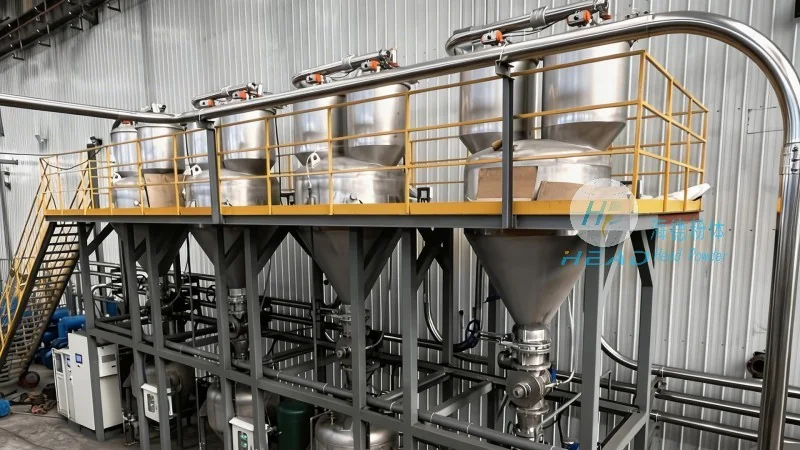
Operational Advantages and Considerations for Rubber Granule Pneumatic Conveying
Compared to traditional mechanical conveying methods, rubber granule pneumatic conveying systems offer several distinct advantages. One of the most significant benefits is the ability to handle materials over long distances with minimal loss or degradation. The air-based transport ensures that the rubber granules remain intact, preventing breakage or contamination that can occur with mechanical systems. Additionally, pneumatic conveying systems are highly flexible, allowing for changes in the layout of the production facility without major modifications to the conveying infrastructure. This adaptability makes them suitable for both new installations and retrofitting existing plants.
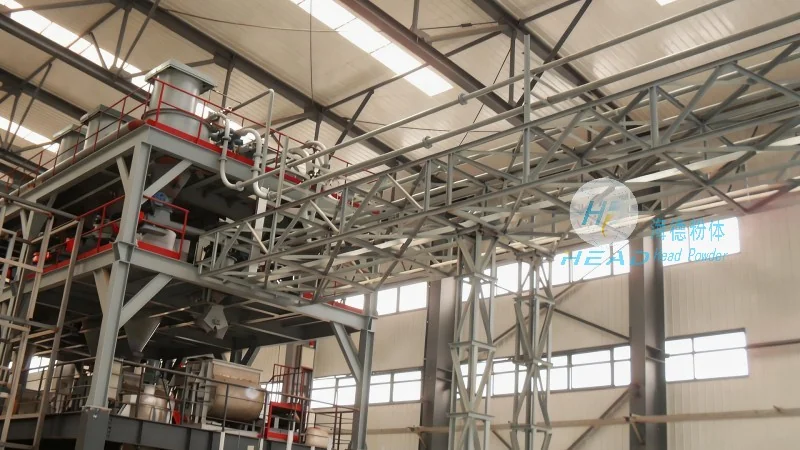
However, the implementation of pneumatic conveying systems also requires careful consideration of several factors. The initial investment cost can be higher compared to mechanical systems, primarily due to the need for air compressors and specialized pipelines. Maintenance costs are also a consideration, as the system components, especially the air filters and pumps, require regular servicing to ensure optimal performance. Furthermore, the system's efficiency is highly dependent on the proper sizing of the air supply and pipeline diameter, which must be matched to the volume and characteristics of the rubber granules being transported. Proper design and installation are critical to avoid issues such as blockages or excessive energy consumption.
Conclusion and Company Overview
Overall, rubber granule pneumatic conveying systems represent a highly effective and efficient solution for material handling in the rubber industry. By leveraging compressed air to transport rubber particles, these systems offer advantages such as reduced labor costs, minimized contamination, and enhanced operational safety. The technology is particularly well-suited for applications requiring long-distance transport, gentle handling, and flexibility in production layouts. As a leader in engineering solutions for material handling, Shandong HeadPowder Engineering Co., Ltd. specializes in designing and implementing customized pneumatic conveying systems tailored to the specific needs of rubber manufacturers. With a focus on quality and innovation, the company provides comprehensive solutions that enhance productivity and sustainability in rubber processing operations. Based in Shandong, China, HeadPowder Engineering Co., Ltd. serves clients globally, delivering reliable and efficient pneumatic conveying systems that meet the highest industry standards.




