HeadPowder, a leading provider in the field of material handling solutions, specializes in the design, manufacturing, and implementation of advanced pneumatic conveying systems. With a strong presence in Shandong, China, the company has established itself as a trusted partner for industries requiring efficient and reliable transport of glass particles. This article delves into the fundamental principles of glass particle pneumatic conveying systems and highlights the key characteristics of their operational environments.
Understanding the Core Principles of Pneumatic Conveying for Glass Particles
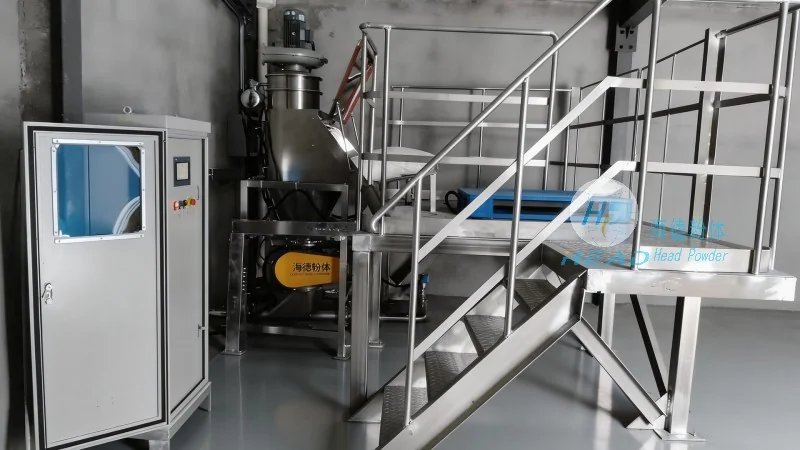
Pneumatic conveying systems utilize air or gas as the medium to transport solid materials, such as glass particles, through a pipeline network. The technology operates on the principle of creating a pressure differential that propels the material forward. There are two primary types of pneumatic conveying: pressure and vacuum systems. Pressure systems use compressed air to push the material, while vacuum systems employ a vacuum to draw the material into the pipeline. For glass particles, which are often abrasive and require gentle handling, the choice of system type and design parameters is critical to ensure minimal wear and optimal performance.
The conveying process involves several key components, including a hopper for material storage, a feeder to control the flow rate, a conveying line with appropriate diameter and length, and a receiver for the discharged material. The selection of these components is tailored to the specific characteristics of the glass particles, such as size, density, and moisture content. For instance, fine glass powders may require a more gentle handling approach to prevent agglomeration or damage, while larger glass fragments may necessitate higher air velocities to maintain flow.
Key Operational Characteristics and Application Scenarios
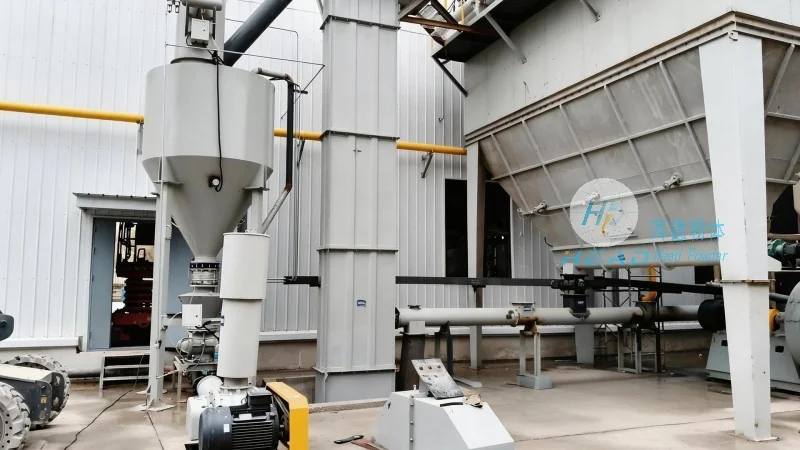
The operational characteristics of glass particle pneumatic conveying systems are defined by factors such as the conveying distance, material flow rate, and the required level of material cleanliness. These systems are designed to handle a wide range of glass particle sizes, from fine powders to larger fragments, making them versatile for various industrial applications. One of the primary advantages of pneumatic conveying is its ability to transport materials in a closed system, which helps maintain product integrity and prevents contamination from external sources. This is particularly important for glass particles, which are often used in applications where purity is paramount, such as in the production of glass products or in the chemical industry.
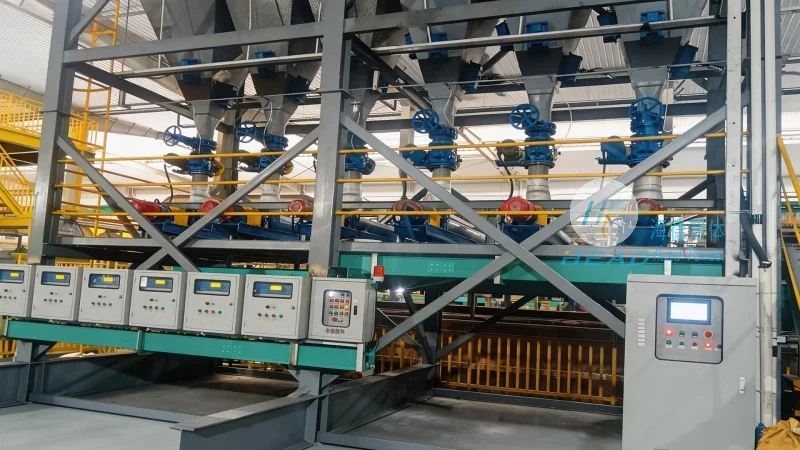
In terms of application scenarios, glass particle pneumatic conveying systems are widely used in the glass manufacturing industry for transporting raw materials like sand, soda ash, and limestone to the melting furnaces. They are also employed in the processing of glass products, such as in the transport of finished glass sheets or containers from production lines to storage areas. Additionally, these systems are utilized in the chemical and pharmaceutical industries where glass particles are used as fillers or carriers for other materials. The flexibility of pneumatic conveying allows for integration into existing production lines, minimizing downtime and enhancing overall operational efficiency.
Advantages and Considerations for Glass Particle Pneumatic Conveying
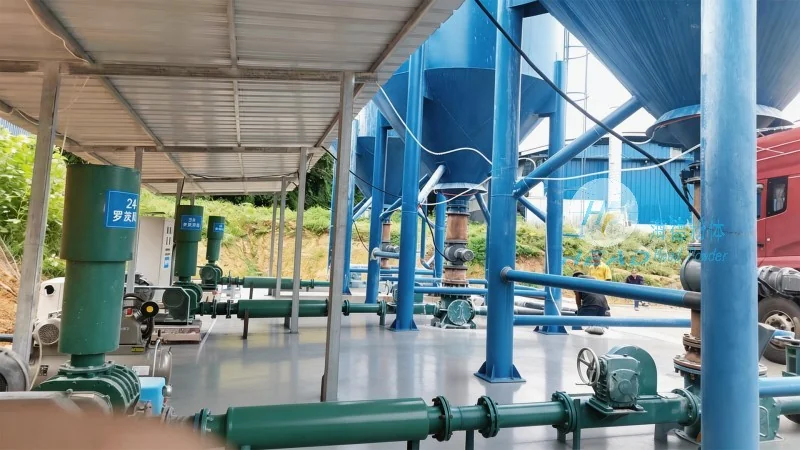
Implementing a glass particle pneumatic conveying system offers several benefits, including high material throughput, reduced labor costs, and improved safety compared to traditional manual or mechanical conveying methods. The closed system design also helps in controlling dust emissions, which is crucial for maintaining a safe working environment and complying with environmental regulations. However, there are also considerations to keep in mind, such as the need for regular maintenance of components like filters and pumps to prevent clogging and ensure consistent performance. Additionally, the initial investment cost for a pneumatic conveying system can be higher than other conveying methods, but the long-term operational savings and efficiency gains often justify the investment.
HeadPowder, with its expertise in engineering and manufacturing, provides customized solutions tailored to the specific needs of each client. By leveraging advanced technology and a deep understanding of material handling principles, the company ensures that its pneumatic conveying systems for glass particles are not only efficient but also durable and reliable. Whether for new installations or system upgrades, HeadPowder's solutions are designed to meet the highest standards of performance and safety, helping industries in Shandong and beyond optimize their material transport processes.




