Zinc oxide (ZnO) is a widely used industrial material in various applications, including rubber, ceramics, and pharmaceuticals. Efficient and reliable material handling is crucial for maintaining product quality and operational efficiency in zinc oxide processing facilities. Among the various material handling technologies available, pneumatic conveying systems offer a flexible and effective solution for transporting zinc oxide from one point to another within a production line. However, selecting the appropriate pneumatic conveying system for a specific zinc oxide handling process requires careful consideration of several key factors to ensure optimal performance, safety, and cost-effectiveness.
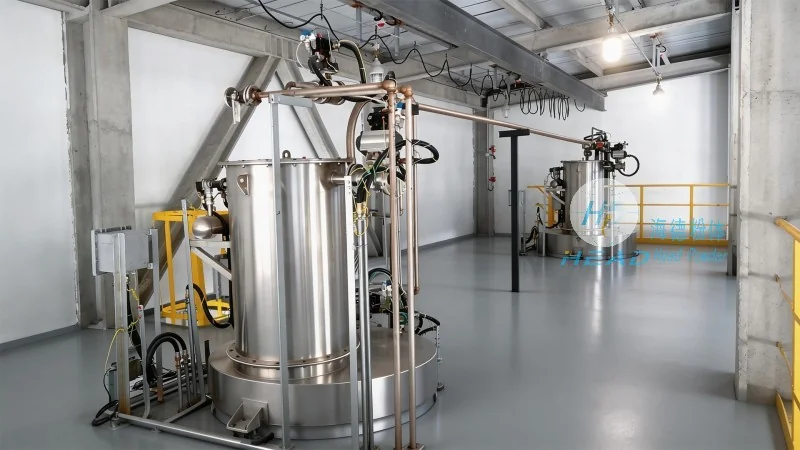
Key Factors to Consider When Selecting a Pneumatic Conveying System for Zinc Oxide
When evaluating pneumatic conveying systems for zinc oxide applications, several critical factors must be taken into account to ensure the system meets the specific requirements of the process. These factors include the physical properties of the zinc oxide material, the operational parameters of the system, and the overall production goals. Understanding these factors will help in making an informed decision that aligns with the long-term objectives of the facility.
1. Physical Properties of Zinc Oxide
Zinc oxide is typically a fine powder with a specific particle size distribution, ranging from sub-micron to several microns. The material may also have varying moisture content and can be prone to agglomeration under certain conditions. These characteristics significantly impact the choice of pneumatic conveying system. For instance, fine powders are more susceptible to particle segregation and can cause blockages in traditional conveying systems. Therefore, systems designed to handle fine, cohesive powders are essential. The density and flowability of zinc oxide also influence the system's design, as these properties affect the air velocity required for effective transport.
2. System Type: Positive Pressure vs. Negative Pressure
Pneumatic conveying systems can be broadly categorized into positive pressure, negative pressure, and mixed pressure systems. The choice between these types depends on the specific application and the layout of the facility. Positive pressure systems, where air is blown into the conveying line to move the material, are often preferred for zinc oxide handling due to their ability to handle abrasive and corrosive materials. These systems are also more suitable for long-distance transport and can maintain a positive pressure environment, which helps prevent contamination from external sources. Negative pressure systems, on the other hand, draw material into the system using suction, and are typically used for short-distance transport or when the material is to be collected from a source that is difficult to access. Mixed pressure systems combine elements of both positive and negative pressure, offering flexibility in handling different material characteristics and operational needs.
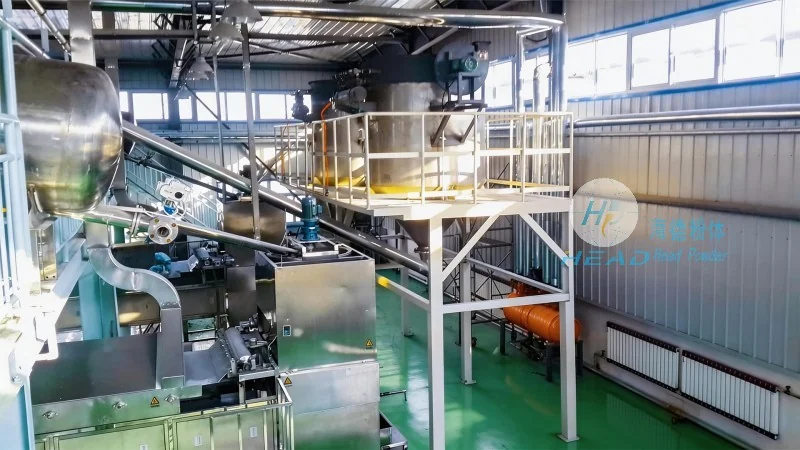
3. Transport Distance and Flow Rate Requirements
The distance over which zinc oxide needs to be conveyed and the required flow rate are critical considerations in system selection. For short-distance transport, such as moving material from a storage silo to a processing unit within a few meters, a simple positive pressure system with a low air velocity may suffice. However, for longer distances, such as transporting material across a plant or between buildings, higher air velocities and more robust system components are necessary to maintain material flow and prevent degradation. The flow rate required will depend on the production capacity of the facility and the throughput of the zinc oxide material. A system that can handle varying flow rates, such as a variable speed drive system, may be advantageous for facilities with fluctuating production demands.
4. System Efficiency and Energy Consumption
Efficiency and energy consumption are important factors in the long-term operation of a pneumatic conveying system. An efficient system will minimize energy costs while maximizing material throughput. Factors such as air pressure, air volume, and system design play a role in determining the energy consumption of the system. Modern pneumatic conveying systems often incorporate energy-saving features, such as variable frequency drives (VFDs) that adjust air flow based on the material load, and optimized pipe diameters that reduce pressure drop. These features help reduce operational costs and improve the overall sustainability of the facility.
5. Maintenance and Operational Costs
Maintenance and operational costs are significant considerations for any industrial system. Pneumatic conveying systems require regular maintenance to ensure optimal performance and prevent downtime. The choice of system components, such as the type of air compressor, filter, and material handling equipment, affects the long-term maintenance costs. For example, systems using high-quality, durable components and materials that are resistant to corrosion and abrasion will have lower maintenance requirements. Additionally, the system's design should allow for easy access to components for cleaning and replacement, reducing downtime and maintenance expenses.
HeadPowder's Expertise in Pneumatic Conveying Solutions for Zinc Oxide
Shandong HeadPowder Engineering Co., Ltd., a leading provider of material handling solutions, specializes in designing and manufacturing pneumatic conveying systems tailored to the unique needs of zinc oxide processing facilities. With years of experience in the industry, HeadPowder understands the challenges associated with handling fine, abrasive materials like zinc oxide and offers customized solutions that address these challenges effectively. The company's team of engineers and technicians work closely with clients to assess their specific requirements, including material properties, operational parameters, and production goals, to develop a system that meets their needs.
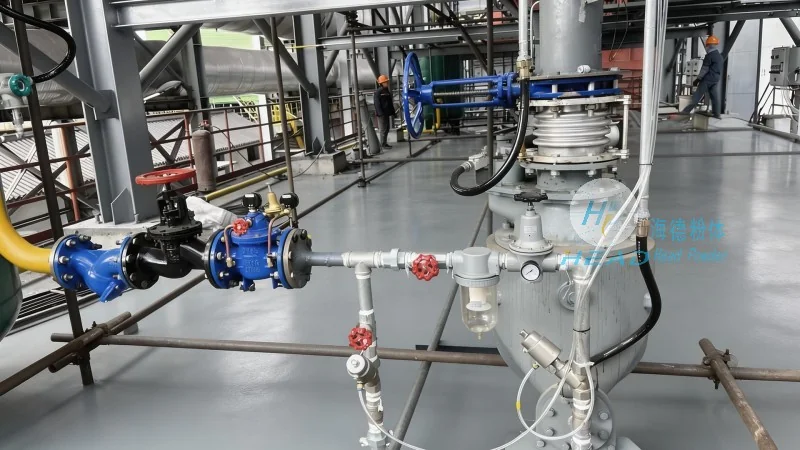
Customized Pneumatic Conveying Systems for Zinc Oxide Handling
HeadPowder offers a range of pneumatic conveying systems suitable for zinc oxide applications, including positive pressure systems, negative pressure systems, and mixed pressure systems. The company's systems are designed to handle the specific characteristics of zinc oxide, such as fine particle size, moisture content, and flowability. For example, the positive pressure systems use high-quality air compressors and optimized pipe diameters to ensure efficient transport of zinc oxide over long distances. The systems also incorporate features such as dust collection and filtration to maintain a clean and safe working environment. HeadPowder's negative pressure systems are ideal for short-distance transport and for applications where the material needs to be collected from a source that is difficult to access. The mixed pressure systems offer flexibility in handling different material characteristics and operational needs, making them suitable for a wide range of zinc oxide handling processes.
Ensuring Safety and Compliance in Zinc Oxide Handling
When selecting a pneumatic conveying system for zinc oxide handling, safety is a top priority. Zinc oxide is a fine powder that can create dust clouds, which pose a respiratory hazard if not properly controlled. HeadPowder's systems are designed with safety features such as dust collection and filtration systems to minimize the risk of dust exposure. The systems also comply with relevant industry standards and regulations, ensuring that the facility operates in a safe and compliant manner. Additionally, the company provides training and support to clients to ensure that the system is operated and maintained safely.
Conclusion: Making the Right Choice for Your Zinc Oxide Handling Process
Selecting the right pneumatic conveying system for your zinc oxide handling process is a critical decision that can impact the efficiency, safety, and cost-effectiveness of your operations. By considering the physical properties of the material, the system type, transport distance, flow rate requirements, efficiency, and maintenance costs, you can make an informed decision that aligns with your facility's goals. Shandong HeadPowder Engineering Co., Ltd. offers expert guidance and customized solutions to help you choose the right system for your zinc oxide handling process, ensuring optimal performance and long-term success.




