When it comes to handling sodium chloride (commonly known as table salt) in industrial processes, selecting the appropriate pneumatic conveying system is crucial for efficiency, safety, and operational reliability. Sodium chloride, with its distinct physical and chemical properties, requires specialized equipment to ensure smooth and safe transportation from storage to processing units. This article provides a comprehensive guide to help you choose the right pneumatic conveying system for your sodium chloride handling process, focusing on key considerations and the expertise of Shandong HeadPowder Engineering Co., Ltd.
Understanding the Key Factors in Sodium Chloride Pneumatic Conveying
Before selecting a pneumatic conveying system, it is essential to understand the specific characteristics of sodium chloride that influence system design. Sodium chloride is a fine, white crystalline solid with a relatively high density and moderate flowability. However, its particle size distribution, moisture content, and potential for dust generation can vary, impacting the choice of conveying method. For instance, fine-grained sodium chloride may require systems with higher air velocities to prevent clogging, while larger crystals might benefit from systems that minimize particle breakage. Additionally, sodium chloride is non-corrosive but can be hygroscopic, meaning it absorbs moisture from the air, which can affect system performance and material handling. These factors must be carefully evaluated to ensure the selected system can handle the material's unique properties without compromising efficiency or safety.
Types of Pneumatic Conveying Systems for Sodium Chloride
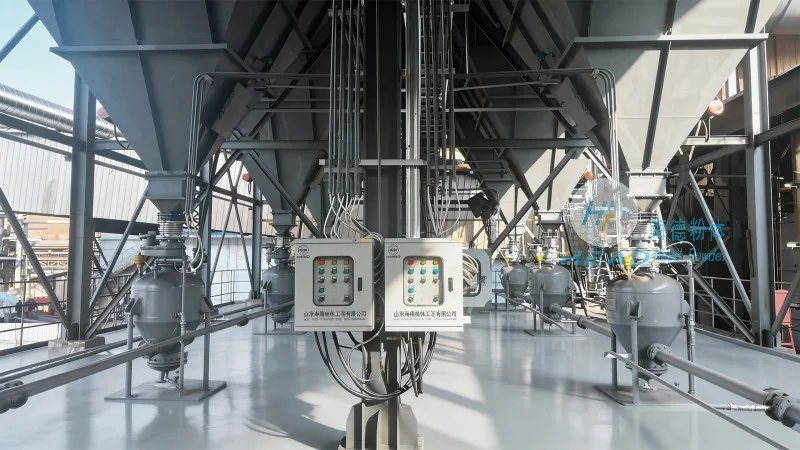
There are primarily two types of pneumatic conveying systems used in industrial applications: positive pressure and negative pressure systems. Each type has its own advantages and is suitable for different scenarios. Positive pressure systems, such as pressure vessels and blowers, use compressed air to push the material through the system. These systems are generally more suitable for long-distance or high-capacity applications and can handle a wider range of particle sizes. Negative pressure systems, on the other hand, use vacuum to draw material into the system, which is often preferred for applications requiring dust containment and minimal product contamination. For sodium chloride, the choice between positive and negative pressure systems depends on factors like the distance between the source and destination, the need for dust control, and the overall system layout. Shandong HeadPowder Engineering Co., Ltd. specializes in designing and manufacturing both types of systems, ensuring clients can select the most appropriate solution based on their specific operational requirements.
Key Considerations for System Selection
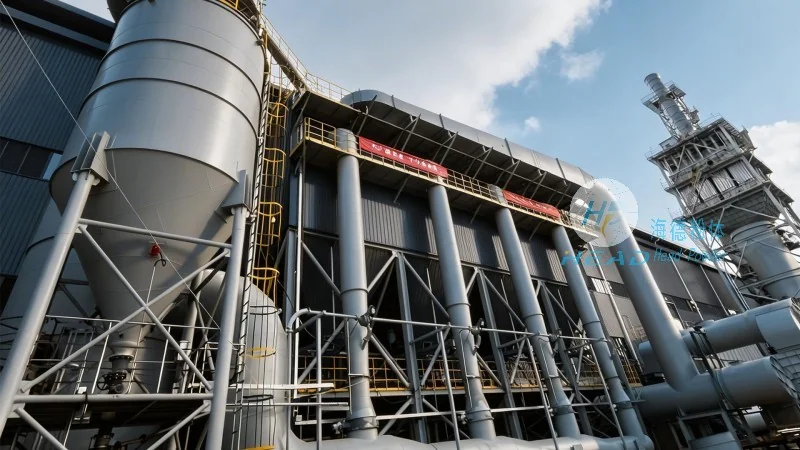
When choosing a pneumatic conveying system for sodium chloride, several critical factors must be considered to ensure optimal performance and longevity. First, the distance and layout of the conveying route are important. Short-distance conveying may be suitable for simple systems, while long-distance or complex routes may require more advanced systems with multiple stages or booster units. Second, the required capacity and flow rate are essential. The system must be capable of handling the desired throughput without causing excessive pressure drops or material degradation. Third, safety considerations are paramount. Sodium chloride dust can be a respiratory hazard, and the system must include appropriate dust collection and filtration to protect both personnel and the environment. Additionally, the system should be designed to prevent product contamination, as sodium chloride is often used in food, pharmaceutical, or chemical applications where purity is critical. Shandong HeadPowder Engineering Co., Ltd. offers customized solutions that address these considerations, ensuring the selected system meets all operational and safety standards.
HeadPowder's Expertise in Sodium Chloride Pneumatic Conveying
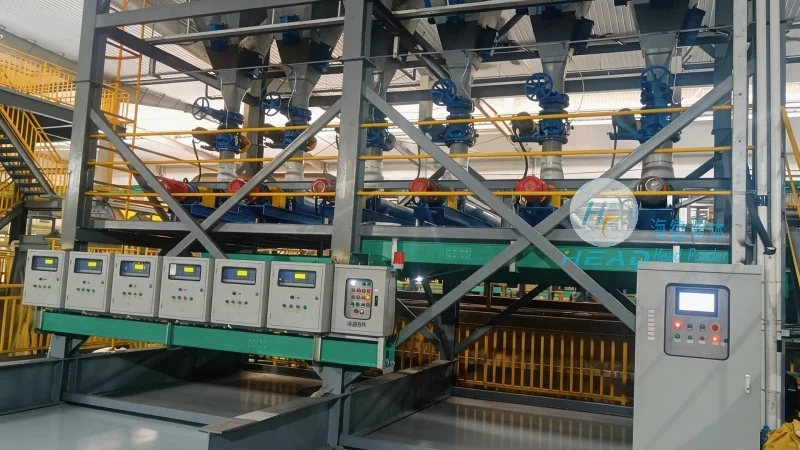
Shandong HeadPowder Engineering Co., Ltd., a leading provider of pneumatic conveying solutions, brings extensive experience and technical expertise to the sodium chloride handling industry. With a focus on tailored systems that meet specific client needs, HeadPowder understands the unique challenges associated with transporting sodium chloride. The company's team of engineers and technicians work closely with clients to assess their operational requirements, material characteristics, and site conditions to design the most efficient and reliable pneumatic conveying system. HeadPowder's solutions are built with high-quality materials and advanced technology, ensuring durability and minimal maintenance. The company also provides comprehensive support, including installation, commissioning, and after-sales service, to ensure clients can operate their systems effectively and achieve their production goals. By choosing HeadPowder, clients can benefit from a partner with a deep understanding of sodium chloride handling and the ability to deliver customized solutions that enhance operational efficiency and safety.
Conclusion
Selecting the right pneumatic conveying system for your sodium chloride handling process is a critical decision that impacts overall operational efficiency and safety. By considering the material's properties, the type of system available, and key operational factors, you can choose a solution that meets your specific needs. Shandong HeadPowder Engineering Co., Ltd. stands ready to assist with this process, offering expert guidance and customized solutions that ensure optimal performance and reliability. Whether you need a simple short-distance system or a complex multi-stage solution, HeadPowder provides the expertise and technology to deliver the right pneumatic conveying system for your sodium chloride handling process.




