Anhydrous sodium sulfate, also known as anhydrous sodium sulfate or anhydrous sodium sulfate, is a common industrial chemical widely used in various sectors such as chemical manufacturing, food processing, and pharmaceuticals. The efficient and safe transportation of this material is crucial for industrial operations. Pneumatic conveying systems have emerged as a reliable solution for handling anhydrous sodium sulfate, offering advantages like minimal dust generation, low maintenance requirements, and the ability to transport materials over long distances. This article explores the fundamental principles behind anhydrous sodium sulfate pneumatic conveying systems and highlights key application scenarios where these systems are particularly effective.
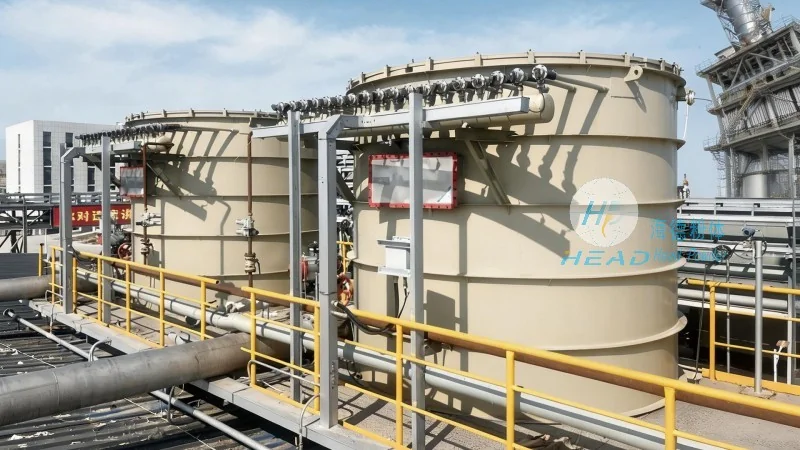
Company Overview: Shandong HeadPowder Engineering Co., Ltd.
Shandong HeadPowder Engineering Co., Ltd., operating under the brand name headpowder, is a professional manufacturer and supplier of pneumatic conveying equipment. With a focus on innovation and quality, the company specializes in designing and manufacturing systems tailored to the specific needs of industrial clients. Headpowder's expertise lies in developing efficient and reliable pneumatic conveying solutions, including those for handling anhydrous sodium sulfate. The company's facilities are located in Shandong, China, where it leverages advanced technology and experienced engineering teams to deliver high-performance conveying systems. Clients benefit from Headpowder's commitment to excellence, ensuring that their anhydrous sodium sulfate transportation needs are met with precision and reliability.
Principle of Pneumatic Conveying for Anhydrous Sodium Sulfate
The core principle of anhydrous sodium sulfate pneumatic conveying systems is the use of air or other gases to transport the material through a pipeline. This method, known as pneumatic conveying, operates by creating a pressure differential between the material source and the destination. The system typically consists of a hopper, a feeder, a conveying line, and a receiver. The material is first loaded into the hopper, where it is then fed into the conveying line by a feeder. As the material moves through the pipeline, it is carried by the air flow, which can be either positive pressure (where air is blown into the line) or negative pressure (where air is sucked out of the line). The choice between positive and negative pressure depends on factors such as the distance to be covered, the material's properties, and the system's overall design. The air flow ensures that the anhydrous sodium sulfate particles are suspended and transported efficiently, minimizing the risk of clogging and ensuring consistent material flow.
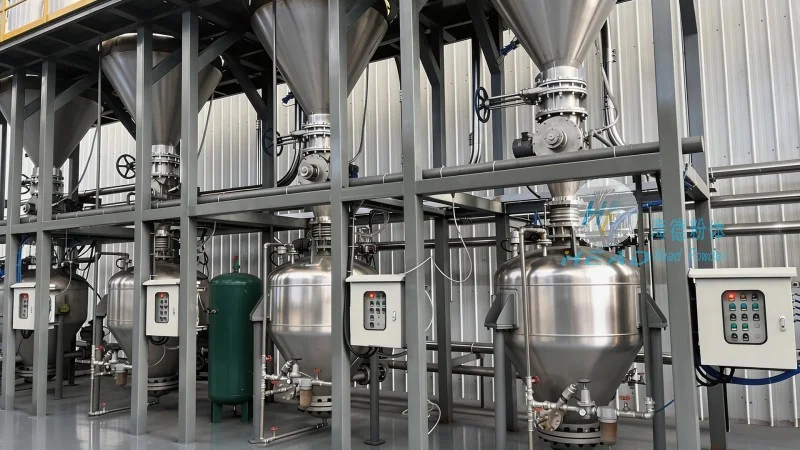
Key Components of Anhydrous Sodium Sulfate Pneumatic Conveying Systems
Several critical components work together to ensure the smooth operation of anhydrous sodium sulfate pneumatic conveying systems. The first component is the hopper, which serves as the storage and feeding unit. The hopper is designed to hold the anhydrous sodium sulfate and provide a controlled feed to the system. The feeder, often a rotary valve or a screw feeder, regulates the flow of material from the hopper into the conveying line. The conveying line itself is typically made of stainless steel or other corrosion-resistant materials to handle the chemical properties of anhydrous sodium sulfate. The receiver is the final component, where the material is deposited after being transported through the pipeline. Additionally, filters and cyclones may be included in the system to separate any fine particles from the air stream, ensuring that the conveyed material remains clean and free from contamination. These components are carefully designed and integrated to create a cohesive system that maximizes efficiency and reliability.
Application Scenarios for Anhydrous Sodium Sulfate Pneumatic Conveying Systems
Anhydrous sodium sulfate pneumatic conveying systems are widely applied in various industrial settings where the material needs to be transported from one location to another. One common application is in chemical manufacturing plants, where anhydrous sodium sulfate is used as a raw material or intermediate in the production of other chemicals. The pneumatic conveying system allows for the seamless transfer of the material from storage silos to processing units, ensuring a continuous supply without manual handling. Another application is in food processing facilities, where anhydrous sodium sulfate is used as a food additive or preservative. The system's ability to handle the material without generating dust makes it suitable for food-grade applications, maintaining hygiene standards. In pharmaceutical manufacturing, the system is used to transport anhydrous sodium sulfate used in the formulation of medications, where precision and cleanliness are paramount. Additionally, in industrial plants involved in the production of detergents or cleaning agents, the pneumatic conveying system efficiently transports the material to mixing and packaging areas. Each of these scenarios highlights the versatility and effectiveness of anhydrous sodium sulfate pneumatic conveying systems in meeting the specific requirements of different industries.
Advantages of Using Pneumatic Conveying for Anhydrous Sodium Sulfate
There are several advantages to employing pneumatic conveying systems for the transportation of anhydrous sodium sulfate. One of the primary benefits is the reduction of dust and airborne particles, which is crucial for maintaining a safe and healthy working environment. Unlike traditional belt or bucket elevators, pneumatic conveying systems minimize the risk of dust exposure, making them suitable for applications where dust control is a priority. Another advantage is the ability to transport materials over long distances without the need for multiple transfer points. This reduces the complexity of the system and lowers the overall cost of material handling. The system also offers low maintenance requirements, as there are fewer moving parts compared to other conveying methods. This results in lower operational costs and increased system reliability. Furthermore, pneumatic conveying systems can handle a wide range of material properties, including different particle sizes and shapes, making them adaptable to various anhydrous sodium sulfate formulations. The flexibility of the system allows for easy integration with existing industrial processes, ensuring a smooth transition to the new conveying method. These advantages make pneumatic conveying an attractive option for industries dealing with anhydrous sodium sulfate.
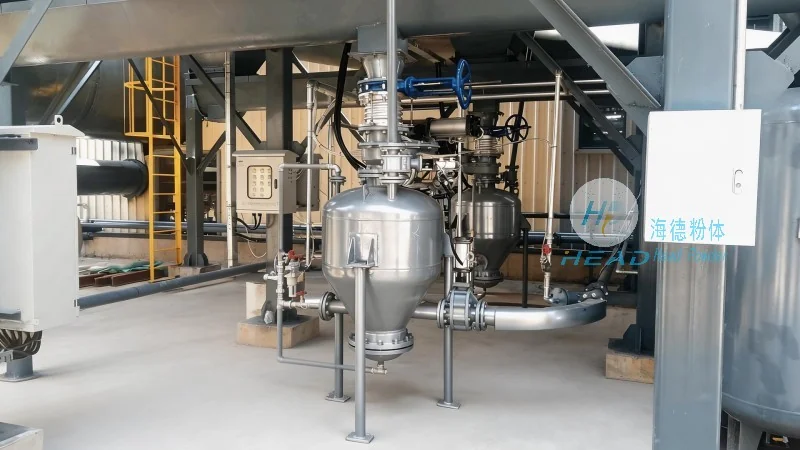
Considerations for Designing Anhydrous Sodium Sulfate Pneumatic Conveying Systems
When designing anhydrous sodium sulfate pneumatic conveying systems, several factors must be considered to ensure optimal performance and reliability. The first consideration is the material's properties, such as its particle size, density, and flowability. These characteristics influence the choice of feeder, conveying line diameter, and air flow rate. For example, finer particles may require higher air velocities to prevent clogging, while larger particles may need a larger conveying line diameter. The distance between the material source and the destination is another critical factor. Longer distances may necessitate the use of positive pressure systems or multiple stages to maintain the material's velocity and prevent deposition. The system's operating pressure and air flow rate must be carefully calculated to ensure efficient material transport without excessive energy consumption. Additionally, the system's layout and integration with existing infrastructure must be considered to minimize installation costs and ensure smooth operation. Headpowder, with its expertise in pneumatic conveying systems, provides comprehensive design services that take into account all these factors, ensuring that the final system meets the client's specific needs and operates efficiently. The company's engineering team works closely with clients to develop customized solutions that optimize material handling while minimizing operational costs.
Conclusion: The Role of Pneumatic Conveying in Anhydrous Sodium Sulfate Handling
In conclusion, anhydrous sodium sulfate pneumatic conveying systems play a vital role in the efficient and safe transportation of this important industrial chemical. The principles behind these systems, combined with advanced design and engineering, enable the reliable handling of anhydrous sodium sulfate in various industrial applications. Companies like Shandong HeadPowder Engineering Co., Ltd. specialize in developing and manufacturing these systems, providing clients with high-performance solutions tailored to their specific needs. The advantages of pneumatic conveying, including dust reduction, long-distance transport, and low maintenance, make it an ideal choice for industries dealing with anhydrous sodium sulfate. As industrial processes continue to evolve, the demand for efficient material handling solutions will remain high, and pneumatic conveying systems will continue to be a key component in meeting these needs. By leveraging the expertise of companies like Headpowder, industries can ensure that their anhydrous sodium sulfate transportation processes are optimized for performance, safety, and cost-effectiveness.




