Expanded clay aggregate, a lightweight and versatile construction material, is widely utilized across various industrial sectors. The efficient and reliable transportation of this material from production sites to processing or construction sites is critical for maintaining smooth production workflows and operational efficiency. Pneumatic conveying systems have become a preferred solution for handling expanded clay aggregate due to their ability to transport materials in a dust-free, enclosed environment, minimizing operational risks and environmental impact.
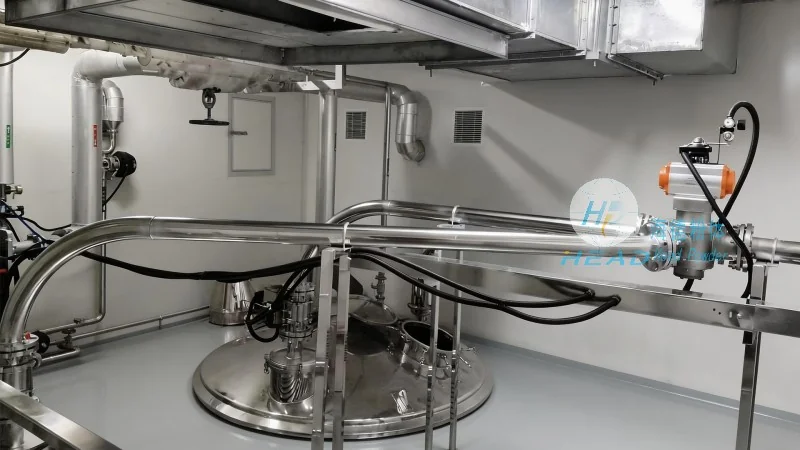
The Fundamental Principle of Pneumatic Conveying for Expanded Clay Aggregate
Pneumatic conveying operates on the principle of using air or gas to transport solid particles. For expanded clay aggregate, the system typically functions under either positive pressure or negative pressure. Positive pressure systems force air through a pipeline, carrying the aggregate particles along with it, while negative pressure systems create a vacuum that draws the material into the pipeline. The design of the conveying system—including the type of air mover (such as rotary lobe blowers or centrifugal fans), pipeline layout, and components like bends, elbows, and expansion chambers—plays a pivotal role in ensuring stable and efficient material transport. The air velocity within the pipeline must be sufficient to keep the aggregate particles suspended and prevent settling or blockages, which directly impacts the system's capacity and performance.
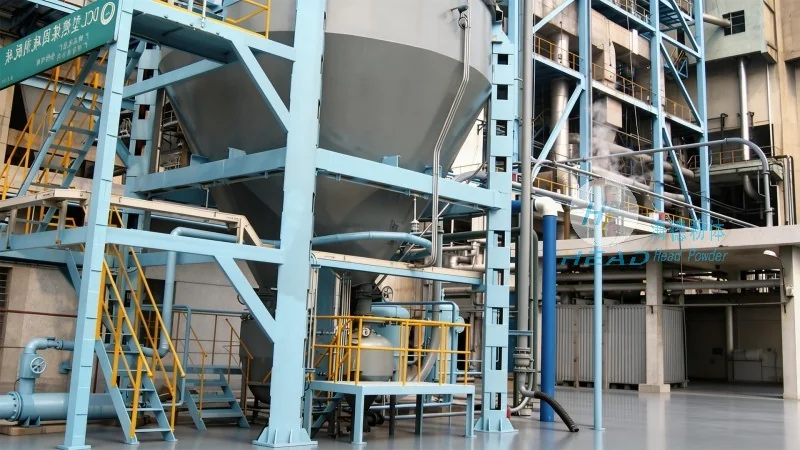
Key Working Scene Characteristics and Applications
The working scene characteristics of pneumatic conveying equipment for expanded clay aggregate are tailored to meet diverse industrial demands. In construction material manufacturing facilities, these systems are often integrated into production lines to transport raw expanded clay aggregate from storage silos to mixing and molding equipment. The enclosed nature of the conveying process minimizes dust exposure, fostering a safe and healthy workplace. Additionally, in industrial settings where expanded clay aggregate is used as a filler or aggregate in composite materials, the equipment ensures consistent material flow, which is essential for achieving uniform product quality. The flexibility of pneumatic conveying systems allows adaptation to different production scales, from small-scale batch processing to large-scale continuous production lines.
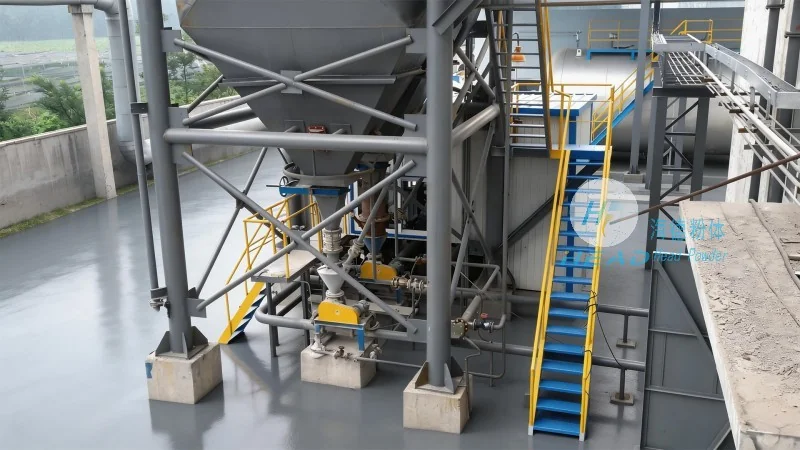
Company Information and Professional Services
HeadPowder, a leading engineering solutions provider, specializes in designing, manufacturing, and installing pneumatic conveying systems for expanded clay aggregate applications. HeadPowder Engineering Co., Ltd., headquartered in Shandong, China, leverages decades of industry expertise to deliver customized solutions that align with each client's unique material handling needs. The company's team of engineers and technicians collaborate closely with clients to assess requirements, select optimal conveying technology, and implement systems that enhance efficiency and reduce operational costs. By prioritizing quality and customer satisfaction, HeadPowder has established itself as a trusted partner in the construction and industrial sectors, offering reliable equipment that boosts production capabilities and ensures long-term operational success.
Technical Advantages and Efficiency in Material Handling
The pneumatic conveying equipment for expanded clay aggregate offers several technical advantages that improve material handling efficiency. Unlike traditional mechanical methods like belt or screw conveyors, pneumatic systems avoid physical contact with the material, reducing wear on equipment components and extending service life, which lowers maintenance costs and downtime. The enclosed pipeline design prevents dust and particulate matter from entering the workplace, improving air quality and reducing respiratory risks for operators. The ability to transport materials over long distances without intermediate storage or transfer points streamlines production processes, enhancing overall efficiency. Modern systems are also energy-efficient, minimizing air consumption while maintaining optimal transport rates, leading to reduced energy costs and a smaller environmental footprint.
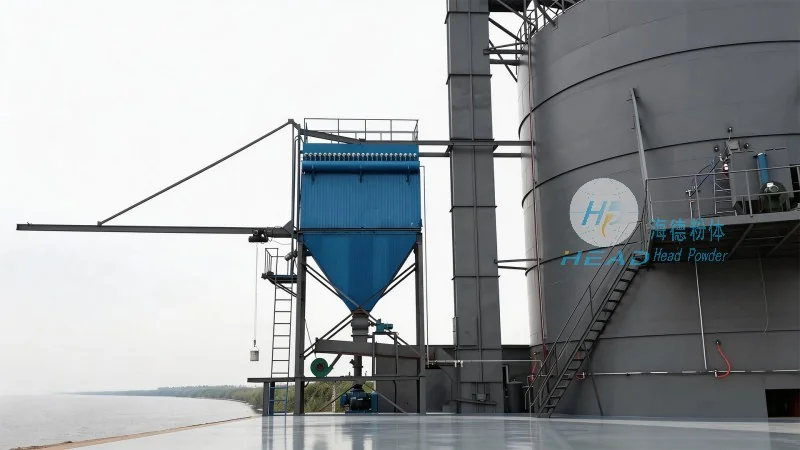
Customization and Adaptability for Diverse Production Environments
HeadPowder Engineering Co., Ltd. recognizes that each production environment has unique characteristics, and thus offers highly customizable pneumatic conveying solutions for expanded clay aggregate. Engineers can design systems to accommodate varying material properties, such as particle size, density, and moisture content, ensuring stable transport. For instance, in applications with high moisture or clumping-prone aggregates, specialized equipment like rotary air locks or vibratory feeders may be integrated to prevent blockages and maintain consistent flow. The flexibility of the conveying system also enables seamless integration with other production equipment, such as mixers, dryers, or packaging machines, creating a unified material handling process from raw material to finished product. This adaptability ensures the equipment can meet the specific needs of different industries, including construction, agriculture, and industrial manufacturing, where expanded clay aggregate is used in various applications.




