Waste management is a critical aspect of urban and industrial operations, and the efficiency of material handling systems directly impacts operational costs and environmental sustainability. Among the various technologies available for transporting bulk materials, waste pneumatic conveying equipment has emerged as a versatile and efficient solution. This article explores the fundamental principles behind these systems and highlights the key characteristics of their application in different working scenes, with a focus on the expertise of Shandong HeadPowder Engineering Co., Ltd., a leading provider in the field.
Understanding the Core Principle of Waste Pneumatic Conveying
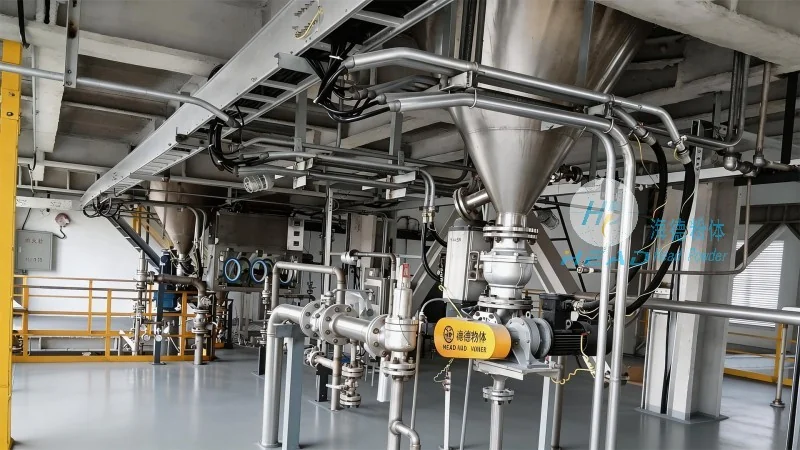
The operation of waste pneumatic conveying equipment is based on the fundamental principle of transporting solid materials through a pipeline using a stream of air or gas. Unlike traditional mechanical conveyors that rely on physical contact and friction, pneumatic systems utilize the force of moving air to move materials. The process typically involves a series of components, including a feeding device, a conveying pipeline, a separation or collection unit, and a fan or blower that generates the necessary air pressure. The material to be conveyed is introduced into the pipeline, often in a dry or slightly moist state, and is carried by the air stream. The air velocity is carefully controlled to ensure that the material particles are suspended and transported without causing blockages or excessive wear on the system components. This principle allows for the efficient and continuous movement of waste materials over long distances, making it suitable for complex waste management scenarios.
Key Working Scene Characteristics and Applications
Waste pneumatic conveying equipment is designed to operate effectively in diverse working environments, each with unique requirements and challenges. The following are some of the key characteristics and typical applications of these systems:
1. Landfill and Waste Transfer Stations
In landfill and waste transfer station applications, waste pneumatic conveying systems are used to transport bulk waste from collection trucks to the processing or disposal areas. The equipment can handle a wide range of waste types, including municipal solid waste, construction and demolition debris, and industrial waste. The high capacity and continuous operation of pneumatic conveyors ensure that waste is moved efficiently, reducing the need for manual handling and minimizing the risk of contamination. The systems are often integrated with other waste management technologies, such as shredders or compactors, to form a comprehensive waste processing line. The ability to convey waste over long distances without the need for intermediate storage or transfer points makes this technology particularly advantageous in large-scale waste management operations.
2. Recycling Facilities
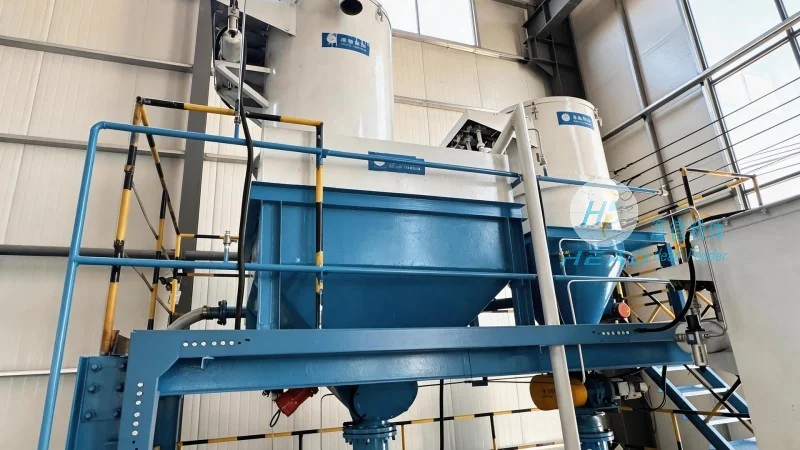
Recycling facilities rely on waste pneumatic conveying equipment to transport recyclable materials, such as paper, plastic, metal, and glass, from sorting areas to processing machines. The systems are designed to handle materials with varying moisture content and particle sizes, ensuring that the conveying process is stable and efficient. The use of air as the conveying medium allows for the separation of different material types, as the air velocity can be adjusted to control the movement of specific particles. This makes it possible to sort and transport materials in a single pipeline, reducing the complexity of the recycling process. The equipment is also suitable for conveying materials from storage bins or containers to processing lines, providing a seamless flow of materials throughout the recycling operation.
3. Industrial Waste Management
Industrial facilities, such as manufacturing plants and processing facilities, generate various types of waste that require specialized handling. Waste pneumatic conveying systems are used to transport industrial waste, including sludge, dust, and other byproducts, from production areas to treatment or disposal sites. The systems are designed to handle materials with high moisture content or abrasive properties, which can cause wear on traditional mechanical conveyors. The use of high-quality materials and robust construction ensures that the equipment can withstand the harsh conditions of industrial environments. The ability to convey waste in a closed system also helps to minimize environmental contamination and improve safety in the workplace. This makes waste pneumatic conveying an ideal solution for industrial waste management, where efficiency and reliability are critical.
4. Municipal Solid Waste (MSW) Collection and Processing
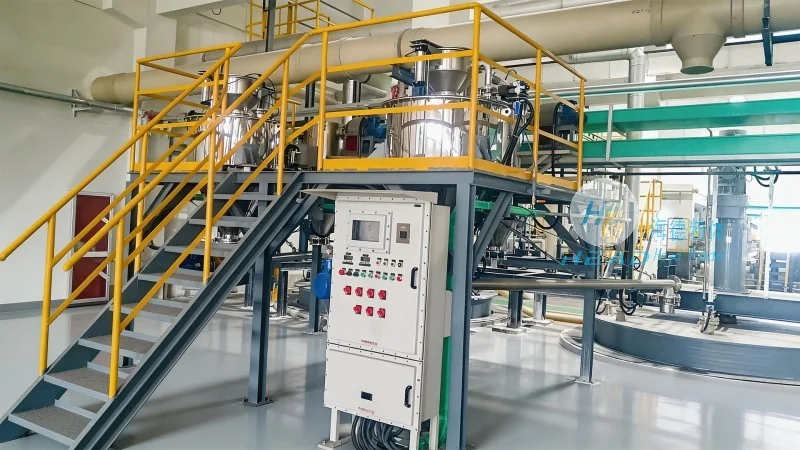
Municipal solid waste collection and processing facilities utilize waste pneumatic conveying equipment to transport waste from collection points to processing plants. The systems are often integrated with automated waste collection vehicles, which deposit waste directly into the conveying pipeline. This eliminates the need for manual unloading and reduces the risk of worker exposure to waste materials. The equipment can handle large volumes of waste, making it suitable for urban waste management operations. The use of pneumatic conveyors also allows for the transportation of waste over long distances, connecting collection points in different parts of a city to a central processing facility. This improves the efficiency of waste management and reduces the overall cost of waste disposal.
Company Background and Expertise: Shandong HeadPowder Engineering Co., Ltd.
Shandong HeadPowder Engineering Co., Ltd., commonly known as HeadPowder, is a leading manufacturer and supplier of waste pneumatic conveying equipment. With its headquarters in Shandong, China, the company has established itself as a trusted partner in the waste management industry, providing high-quality, reliable, and efficient solutions for various applications. HeadPowder specializes in the design, manufacturing, and installation of pneumatic conveying systems tailored to the specific needs of its clients. The company's team of engineers and technicians has extensive experience in the field, ensuring that each system is optimized for performance and durability. HeadPowder's commitment to innovation and quality has enabled it to develop advanced technologies that address the challenges of modern waste management, making it a preferred choice for businesses and municipalities worldwide.
Conclusion
Waste pneumatic conveying equipment plays a vital role in modern waste management, offering an efficient and reliable solution for transporting bulk waste materials. The principles behind these systems, combined with their adaptability to various working scenes, make them an essential component of comprehensive waste management strategies. With the expertise and experience of companies like Shandong HeadPowder Engineering Co., Ltd., the implementation of these technologies has become more accessible and effective, contributing to improved waste handling practices and environmental sustainability. As the demand for efficient waste management solutions continues to grow, the role of waste pneumatic conveying equipment will remain critical in addressing the challenges of urban and industrial waste disposal.




