Efficient material handling is a critical component in the glass manufacturing and processing industry. Among the various methods available, pneumatic conveying systems have emerged as a highly effective solution for transporting glass particles. These systems offer advantages such as minimal contamination, reduced maintenance, and the ability to handle a wide range of glass types, from fine powders to larger fragments. Understanding the principle and working scene characteristics of glass particle pneumatic conveying lines is essential for optimizing production processes and ensuring operational efficiency in glass-related facilities.
Principle of Glass Particle Pneumatic Conveying Lines
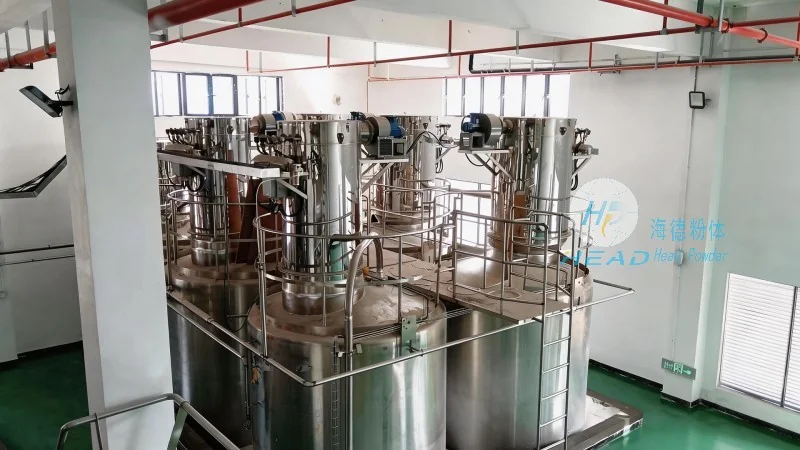
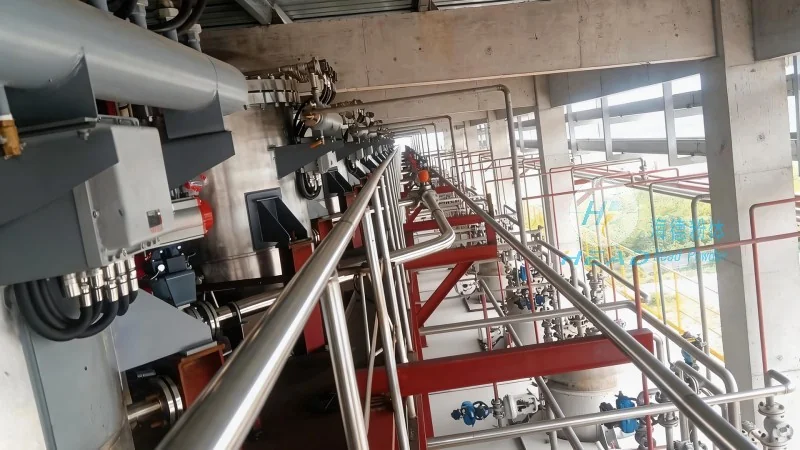
At the core of glass particle pneumatic conveying lines lies the fundamental principle of using air or gas to transport solid particles. The system operates by creating a pressure differential between the conveying line and the ambient environment. There are two primary types of pneumatic conveying systems used in the glass industry: positive pressure and negative pressure systems. Positive pressure systems introduce air or gas under pressure into the conveying line, while negative pressure systems create a vacuum to draw particles into the line. The choice between these systems depends on factors such as the distance to be covered, the type of glass particles, and the desired level of air pollution control. In both cases, the glass particles are suspended in the air stream and transported through the pipeline to the destination point. The design of the conveying line, including the size of the pipeline, the type of fittings, and the velocity of the air, is crucial for ensuring smooth and efficient particle movement. Proper air velocity is essential to prevent particle deposition and ensure consistent flow. The system also incorporates components such as feeders, cyclones, and filters to manage the flow of particles and maintain system integrity. These components work together to ensure that glass particles are transported safely and effectively, minimizing the risk of clogging or damage to the particles.
Working Scene Characteristics of Glass Particle Pneumatic Conveying Lines
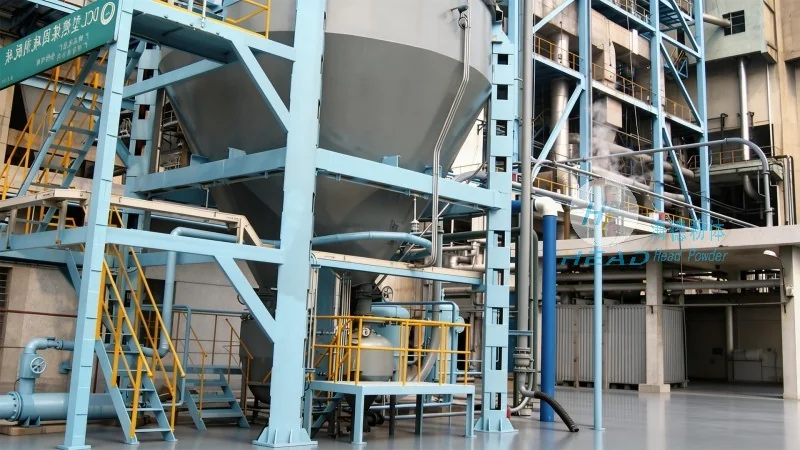
The working scene characteristics of glass particle pneumatic conveying lines vary based on the specific application and the type of glass being handled. In industrial glass manufacturing facilities, these systems are commonly used for transporting raw materials, such as sand, soda ash, and limestone, to the melting furnaces. They are also used to move finished glass products, such as glass bottles, sheets, or containers, from the production line to storage or packaging areas. The versatility of pneumatic conveying systems allows them to be integrated into various production stages, from raw material handling to finished product distribution. For example, in a glass bottle manufacturing plant, a pneumatic conveying line may be used to transport crushed glass from a storage silo to the furnace, where it is melted and formed into new bottles. Similarly, in a glass sheet production facility, the system can be used to move finished sheets from the cutting and polishing area to the warehouse. The working scene characteristics also depend on the size and shape of the glass particles. Fine glass powders, such as those used in glass coatings or specialty glass products, require different conveying parameters compared to larger glass fragments, such as broken glass or glass cullet. The system must be designed to accommodate the specific characteristics of the glass particles to ensure optimal performance. Additionally, the working scene may involve multiple stages of conveying, such as primary and secondary conveying, to cover longer distances or handle different particle sizes. The integration of sensors and control systems in modern pneumatic conveying lines allows for real-time monitoring and adjustment of the system parameters, enhancing operational efficiency and reducing downtime.
HeadPowder's Expertise in Glass Particle Pneumatic Conveying Solutions
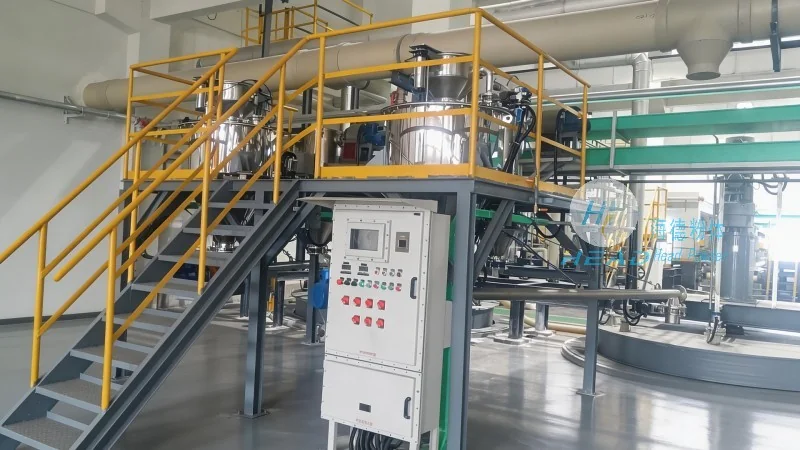
Shandong HeadPowder Engineering Co., Ltd., a leading provider of material handling solutions, specializes in designing and manufacturing customized glass particle pneumatic conveying lines. With a strong presence in China, particularly in Shandong, HeadPowder leverages its expertise in the glass industry to deliver high-quality, reliable systems that meet the unique needs of its clients. The company's team of engineers and technicians works closely with clients to understand their specific requirements, such as the type of glass being handled, the distance to be covered, and the desired level of automation. Based on this understanding, HeadPowder designs and manufactures pneumatic conveying lines that are tailored to the client's needs, ensuring optimal performance and efficiency. The company uses advanced materials and components in its systems, such as stainless steel pipelines and high-efficiency filters, to ensure durability and minimal maintenance. HeadPowder also provides comprehensive after-sales support, including installation, commissioning, and maintenance services, to ensure that its clients can maximize the lifespan and performance of their pneumatic conveying systems. By partnering with HeadPowder, glass manufacturers can benefit from the company's expertise and experience, ensuring that their material handling processes are optimized and their production efficiency is enhanced.




