When it comes to managing the handling and transportation of polycarbonate materials in industrial settings, selecting the appropriate pneumatic conveying system is crucial for ensuring efficiency, safety, and cost-effectiveness. Polycarbonate, known for its high impact resistance and optical clarity, presents unique challenges during material handling due to its density, particle size, and flow characteristics. A well-designed pneumatic conveying system can address these challenges effectively, enabling smooth and reliable material transport from storage to processing or packaging areas. This article will guide you through the key considerations and steps to select the optimal pneumatic conveying system for your polycarbonate handling process.
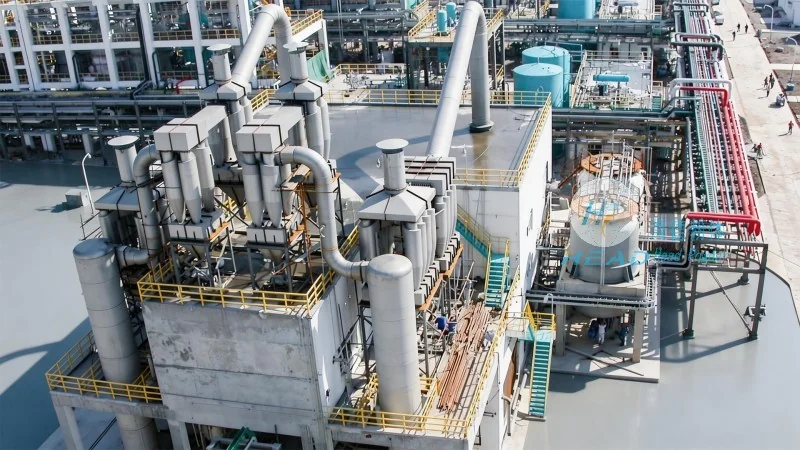
HeadPowder, a leading provider of engineering solutions in material handling, offers a range of pneumatic conveying systems tailored to meet the specific needs of polycarbonate processing industries. With years of experience in the field, HeadPowder understands the importance of matching the right system to the material properties and operational requirements. The company’s expertise lies in evaluating factors such as material characteristics, desired conveying distance, system pressure, and environmental considerations to recommend the most suitable solution. By partnering with HeadPowder, businesses can ensure that their polycarbonate handling processes are optimized for performance and longevity.
Understanding Polycarbonate Material Properties and Their Impact on Conveying
Polycarbonate is a thermoplastic polymer that is widely used in various applications due to its excellent mechanical properties and transparency. However, these characteristics also influence how it behaves during material handling. Polycarbonate particles typically have a relatively high density and can be prone to static electricity, which may affect flowability and cause issues like bridging or caking in storage silos. Additionally, the material’s tendency to be brittle or prone to abrasion requires careful consideration of the conveying system’s components to prevent damage or degradation. Understanding these material properties is the first step in selecting an appropriate pneumatic conveying system. For instance, if the polycarbonate is in a granular or pellet form, a positive pressure system might be more suitable due to its ability to handle fine powders and maintain consistent flow. Conversely, if the material is in a larger, irregular shape, a negative pressure system could be more effective in minimizing dust generation and maintaining product integrity.
Key Factors to Consider When Selecting a Pneumatic Conveying System
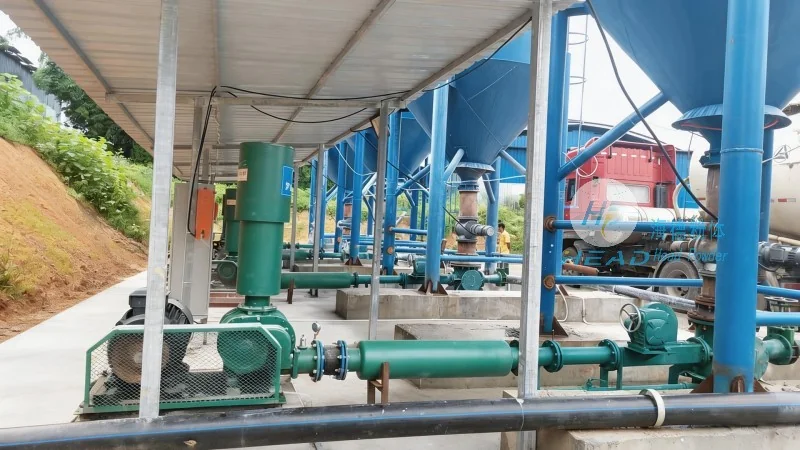
Choosing the right pneumatic conveying system for polycarbonate involves evaluating several critical factors. The first consideration is the type of system: positive pressure, negative pressure, or a combination of both. Positive pressure systems use compressed air to push material through the pipeline, making them ideal for conveying materials over longer distances or against gravity. They are particularly effective for handling fine powders and can maintain consistent flow rates. Negative pressure systems, on the other hand, use suction to draw material into the system, which is beneficial for applications where dust control is a priority and the material needs to be transported from a higher elevation to a lower one. The choice between these systems depends on the specific layout of the facility, the distance between the source and destination, and the desired level of dust containment. Another important factor is the system pressure. High-pressure systems (typically above 7 bar) are suitable for long-distance or high-capacity conveying, while low-pressure systems (below 3 bar) are better for short distances or when handling sensitive materials. The pressure requirements are directly related to the material's properties, such as its density and particle size, as higher pressure is needed to overcome resistance in the pipeline.
Capacity and flow rate are also critical factors to consider. The required conveying capacity depends on the production rate and the number of batches processed. A system with a higher flow rate can handle larger volumes of polycarbonate, reducing downtime and increasing overall productivity. However, it is essential to ensure that the system's components, such as the blower or fan, can handle the required pressure and flow without excessive energy consumption. Material compatibility is another key aspect. The components of the pneumatic conveying system, including the pipeline, valves, and filters, must be resistant to the chemical properties of polycarbonate and any additives used in the material. For example, certain materials may be corrosive or abrasive, requiring specialized materials like stainless steel or high-grade plastics for the system components. Additionally, the system should be designed to minimize product contamination, as polycarbonate is often used in applications where purity is essential, such as in food packaging or medical devices.
Components of a Pneumatic Conveying System for Polycarbonate
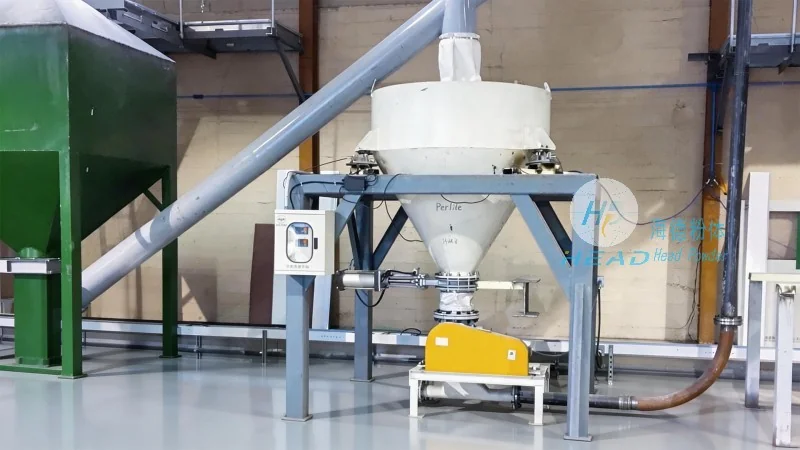
A pneumatic conveying system for polycarbonate typically consists of several key components that work together to ensure efficient material transport. The primary components include the material feed system, the conveying line, the air supply system, and the material discharge system. The material feed system is responsible for introducing the polycarbonate into the conveying line. This can be achieved through a hopper or a rotary valve, which controls the flow rate and prevents material from bridging or caking. The hopper is often equipped with a vibratory feeder or a screw feeder to ensure consistent material supply. The conveying line is made of materials that are compatible with polycarbonate, such as stainless steel or PTFE-coated pipes, to prevent corrosion and ensure smooth flow. The line is designed with appropriate bends and elbows to minimize pressure drop and maintain flow efficiency. The air supply system provides the necessary pressure and volume of air to move the material through the pipeline. This can be a positive displacement blower or a centrifugal fan, depending on the system requirements. The blower's capacity and pressure must be matched to the conveying distance and material properties to ensure effective transport. The material discharge system collects the polycarbonate at the destination point and can be a hopper, a rotary valve, or a conveyor. It is designed to handle the material without causing spillage or contamination. Additionally, the system may include filters and cyclones to separate the material from the air and prevent dust from escaping into the environment. These components are essential for maintaining a clean and safe working environment, especially when handling fine polycarbonate powders.
Benefits of Using a Properly Selected Pneumatic Conveying System
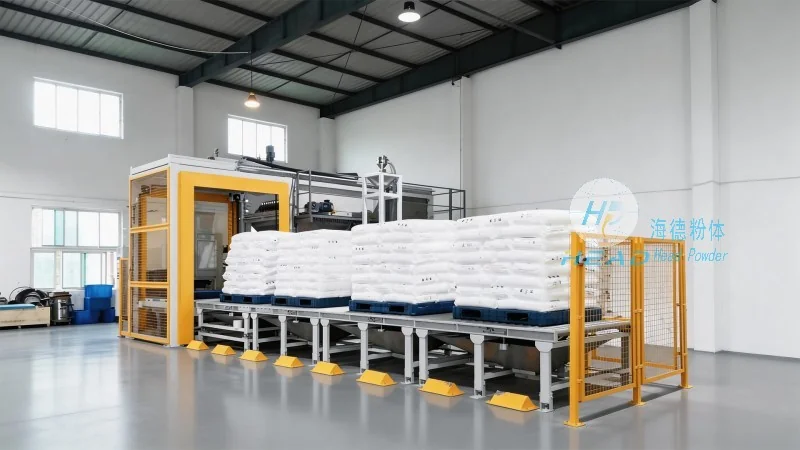
Implementing a well-designed pneumatic conveying system for polycarbonate handling offers numerous benefits for industrial operations. One of the primary advantages is improved efficiency and productivity. By automating the material transport process, businesses can reduce manual handling, minimize downtime, and increase the throughput of their production lines. This leads to higher overall productivity and lower operational costs. Another benefit is enhanced safety. Pneumatic conveying systems eliminate the need for manual handling of heavy or bulky polycarbonate materials, reducing the risk of workplace injuries and accidents. The enclosed system also minimizes dust exposure, which is crucial for maintaining a healthy work environment and complying with occupational health and safety regulations. Furthermore, a properly selected system can extend the lifespan of equipment by reducing wear and tear on components due to proper material flow and pressure management. This results in lower maintenance costs and fewer system failures over time. The system's ability to maintain product integrity is also a significant advantage. By minimizing contact with the environment and preventing contamination, the polycarbonate material remains in its original state, ensuring consistent quality in the final products. This is particularly important for applications where the material's optical clarity or mechanical properties are critical, such as in automotive parts or consumer electronics.
Conclusion and Recommendations
Selecting the right pneumatic conveying system for your polycarbonate handling process is a critical decision that can significantly impact your operational efficiency and product quality. By considering factors such as material properties, conveying distance, system pressure, and capacity, you can choose a system that meets your specific needs. It is essential to partner with a reputable engineering company like HeadPowder, which has the expertise and experience to provide tailored solutions. HeadPowder's team of engineers can conduct a thorough analysis of your facility and material requirements to recommend the most suitable pneumatic conveying system. Whether you need a positive pressure system for long-distance conveying or a negative pressure system for dust control, HeadPowder offers a range of options designed to optimize your polycarbonate handling process. By investing in the right system, businesses can enhance productivity, improve safety, and maintain the high quality of their polycarbonate products. For more information on selecting the optimal pneumatic conveying system for your polycarbonate handling process, contact HeadPowder today.




