When managing calcined gypsum in industrial operations, selecting the appropriate pneumatic conveying system is critical for optimizing material handling efficiency, ensuring operational safety, and reducing long-term maintenance expenses. The right system can significantly enhance productivity while minimizing downtime and the risk of material degradation. This guide aims to provide a comprehensive overview of the key factors to consider when choosing a pneumatic conveying solution tailored to calcined gypsum applications.
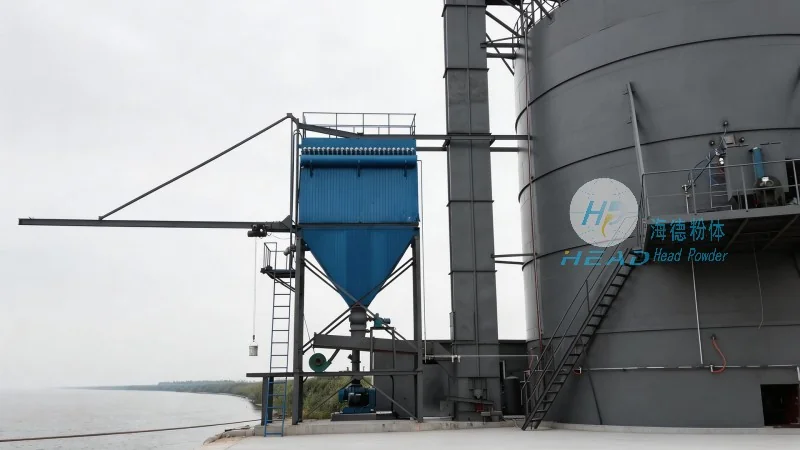
Understanding Calcined Gypsum Characteristics and Their Impact on System Design
Calcined gypsum, also known as hemihydrate gypsum or plaster of Paris, is a fine powder produced by heating gypsum to high temperatures. Its physical properties, including particle size distribution, moisture content, and flow characteristics, directly influence the selection of a pneumatic conveying system. For instance, the fineness of calcined gypsum particles can affect the required air velocity and system pressure to prevent settling or clogging in the pipeline. Additionally, moisture content impacts material flowability and may lead to caking issues if not properly managed. Understanding these characteristics is essential for matching the system to the specific needs of the application, ensuring optimal performance and longevity.
Types of Pneumatic Conveying Systems for Calcined Gypsum
Two primary types of pneumatic conveying systems are commonly used for calcined gypsum: positive pressure and negative pressure systems. Positive pressure systems, which blow air into the system, are generally more suitable for calcined gypsum due to their ability to handle fine powders and maintain consistent material flow. These systems typically operate at higher pressures and can transport materials over longer distances with less risk of clogging. Negative pressure systems, on the other hand, draw material into the system using suction, which may be more appropriate for applications where dust control is a priority. However, they are generally less efficient for fine powders like calcined gypsum and may require more maintenance to prevent material buildup in the suction line.
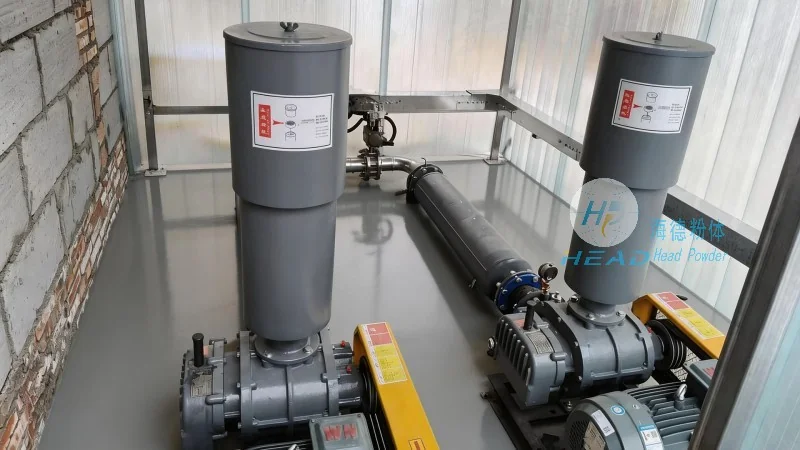
Key Design Considerations for Calcined Gypsum Pneumatic Conveying
Several critical design aspects must be evaluated when selecting a pneumatic conveying system for calcined gypsum. First, the system's capacity and flow rate must align with the production requirements. This includes considering the volume of material to be transported and the desired throughput, ensuring the system can handle peak loads without compromising performance. Second, the system's pressure and air velocity must be optimized to handle the specific particle size and moisture content of the gypsum. Higher air velocities may be necessary for finer particles to prevent clogging and maintain consistent flow. Third, the system's layout and configuration, including the number of transfer points and the length of the pipeline, should be designed to minimize pressure losses and ensure smooth material transport. Additionally, the material of construction is crucial, as calcined gypsum can be abrasive and may cause wear on system components. Materials such as stainless steel or specialized alloys are often recommended to withstand the abrasive nature of the material and extend the system's lifespan.
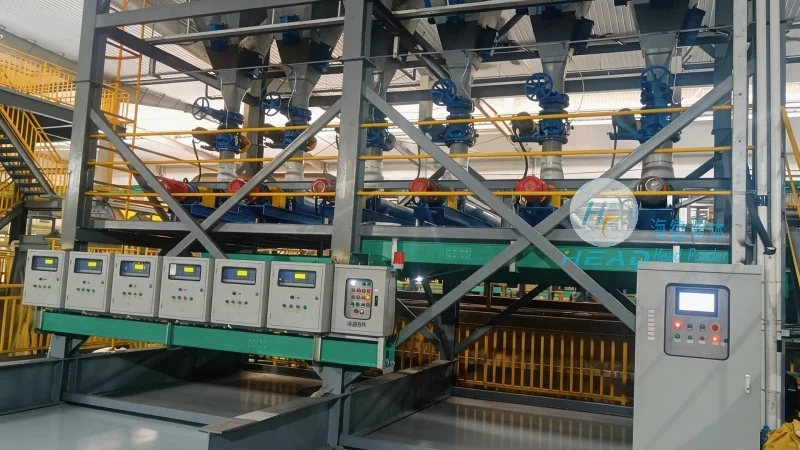
System Maintenance and Performance Optimization Strategies
Proper maintenance is essential to ensure the long-term performance and reliability of a pneumatic conveying system for calcined gypsum. Regular cleaning of the pipeline and equipment is necessary to prevent buildup of material and reduce the risk of clogging. This may involve using cleaning tools or air blasts to remove accumulated material, ensuring the system operates at optimal efficiency. Additionally, monitoring system performance, such as pressure drops and flow rates, can help identify potential issues before they become major problems. Regular inspection of components, such as filters, valves, and pumps, is also important to ensure they are functioning correctly and within specifications. By implementing a regular maintenance schedule, operators can extend the life of the system, reduce downtime, and maintain consistent material transport. Performance optimization may also involve adjusting system parameters, such as air pressure or flow rate, based on real-time monitoring data to improve efficiency and reduce energy consumption.
About Shandong HeadPowder Engineering Co., Ltd.
Shandong HeadPowder Engineering Co., Ltd., commonly referred to as HeadPowder, is a leading engineering company specializing in pneumatic conveying systems and industrial material handling solutions. With a focus on calcined gypsum processing, HeadPowder provides tailored systems designed to meet the unique challenges of handling this fine powder. The company's expertise lies in understanding the properties of calcined gypsum and engineering systems that ensure efficient, reliable, and cost-effective material transport. HeadPowder's systems are built to handle the abrasive and flow-sensitive nature of calcined gypsum, minimizing clogging and wear while maximizing throughput. The company's commitment to quality, customer satisfaction, and innovation has established it as a trusted partner for industrial facilities worldwide. HeadPowder's operations are based in Shandong, China, where the company leverages local expertise and resources to deliver high-quality engineering solutions to clients globally.




