For manufacturers in the lithium-ion battery industry, the efficient and reliable handling of positive electrode material powders is a critical operational requirement. The powder conveying system for positive electrode materials plays a pivotal role in ensuring the smooth flow of production processes, from material preparation to cell assembly. This article delves into the fundamental principles of such systems and highlights the key characteristics of their operational scenarios, with a focus on the expertise of Shandong HeadPowder Engineering Co., Ltd., a leading provider in the field.
Understanding the Core Principles of Powder Conveying Systems for Lithium-Ion Battery Positive Electrode Materials
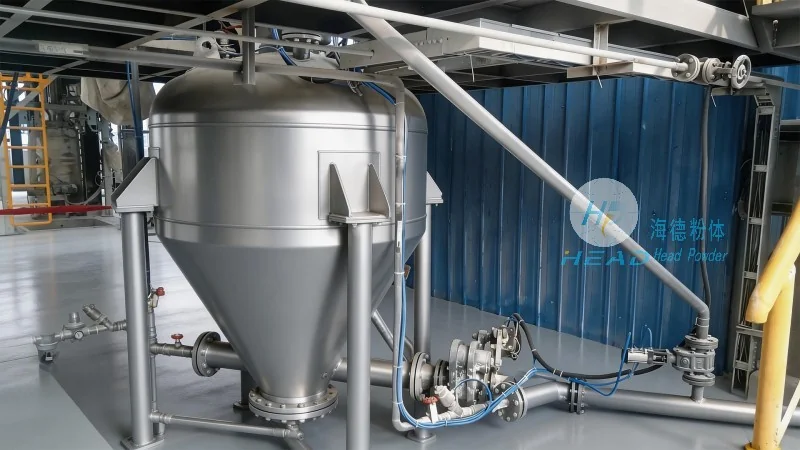
The primary objective of a powder conveying system is to transport fine powders, such as those used in lithium-ion battery positive electrodes, with minimal loss, contamination, and energy consumption. These systems typically operate on the principles of pneumatic or mechanical conveying, each with distinct advantages and applications. Pneumatic systems utilize compressed air to move powders through pipelines, offering flexibility and the ability to handle materials over long distances. Mechanical systems, on the other hand, rely on positive displacement or screw mechanisms to transport powders, often providing higher pressure and more precise control. The choice between these systems depends on factors like material properties, production scale, and environmental considerations. A well-designed system must also address challenges like particle segregation, agglomeration, and dust control to maintain material quality and operational safety.
Key Working Scene Characteristics of the Powder Conveying System
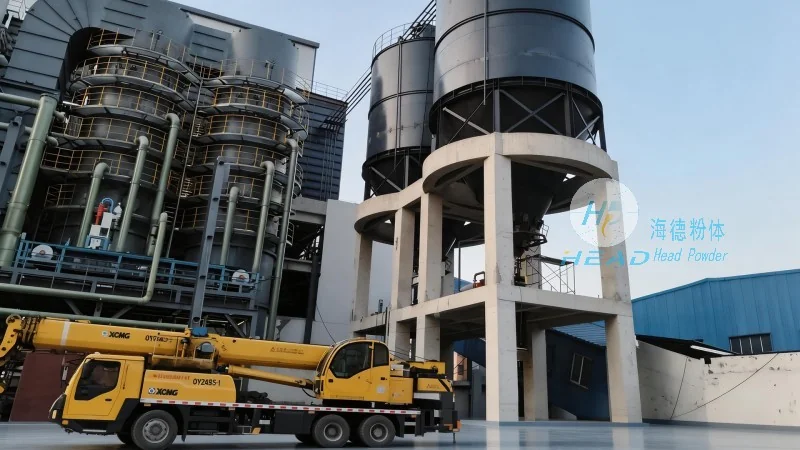
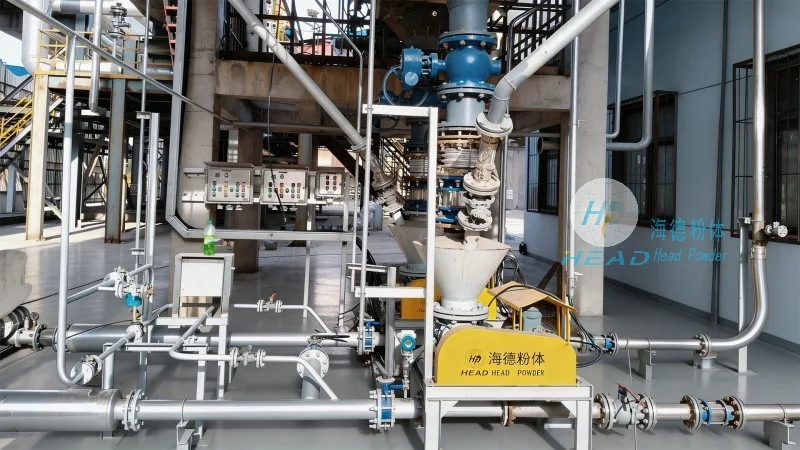
The operational scenarios of a lithium-ion battery positive electrode material powder conveying system are characterized by several unique aspects that influence system design and performance. Firstly, the material itself—typically lithium cobalt oxide, lithium iron phosphate, or other cathode active materials—requires strict handling to prevent degradation or contamination. This necessitates enclosed and sealed conveying lines to minimize exposure to air and moisture. Secondly, the system must be integrated seamlessly into existing production lines, often requiring high throughput and low downtime. For example, in large-scale battery manufacturing plants, the system may need to handle thousands of kilograms of material per hour, demanding robust and reliable components. Thirdly, safety is paramount due to the nature of the powders, which can be combustible or pose inhalation risks. Therefore, systems are equipped with explosion-proof designs, dust collection systems, and emergency shutdown mechanisms to ensure operator and facility safety. Additionally, the system's scalability is crucial, as battery manufacturers may expand production capacity over time, requiring conveyors that can be easily upgraded or expanded to accommodate increased material volumes.
Company Profile: Shandong HeadPowder Engineering Co., Ltd.
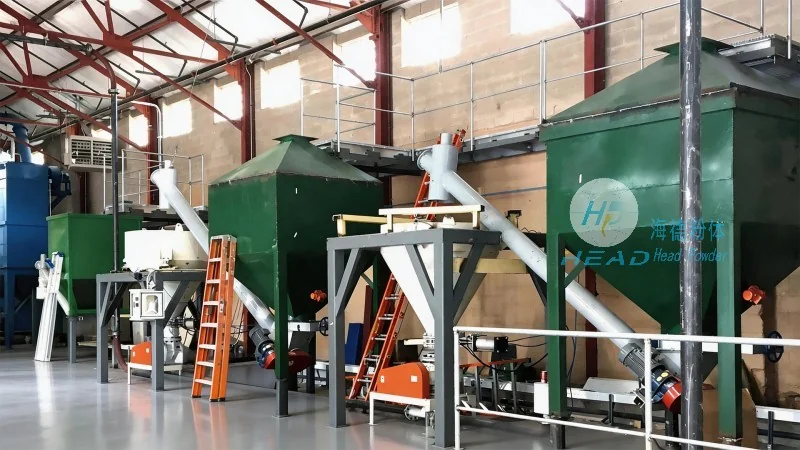
Shandong HeadPowder Engineering Co., Ltd., operating under the brand name headpowder, specializes in the design, manufacturing, and integration of advanced powder handling solutions for the lithium-ion battery industry. With a strong focus on innovation and customer-centric solutions, the company has established itself as a trusted partner for battery manufacturers worldwide. HeadPowder's expertise lies in developing customized powder conveying systems tailored to the specific needs of each client, ensuring optimal performance and compliance with industry standards. The company's facilities are located in Shandong, China, where it leverages local resources and expertise to deliver high-quality products and services. By combining cutting-edge technology with practical engineering, HeadPowder helps its clients enhance productivity, reduce operational costs, and maintain the highest standards of material quality in their battery production processes.




