For industries dealing with baking soda (sodium bicarbonate) powder, efficient and reliable conveying equipment is crucial for maintaining production efficiency and product quality. This article introduces the working principles and typical application scenarios of baking soda powder conveying equipment, focusing on the technical aspects and practical benefits for industrial operations.
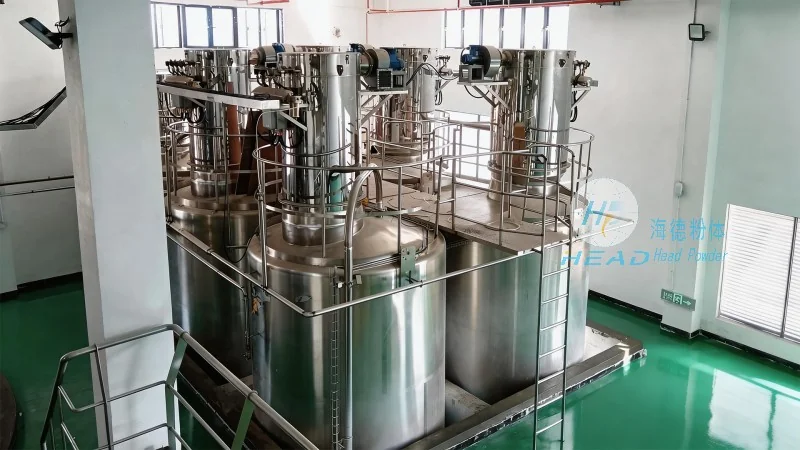
Introduction to Baking Soda Powder Conveying Equipment
Baking soda, or sodium bicarbonate, is a widely used chemical in various industries including food processing, pharmaceuticals, and chemical manufacturing. The handling of this fine powder requires specialized equipment to prevent issues such as dust explosion, caking, and material loss. Baking soda powder conveying equipment is designed to address these challenges by providing a safe, efficient, and controlled method for transporting the powder from storage to processing units. The equipment typically consists of components like hoppers, feeders, conveying lines, and discharge points, all working in coordination to ensure smooth material flow.
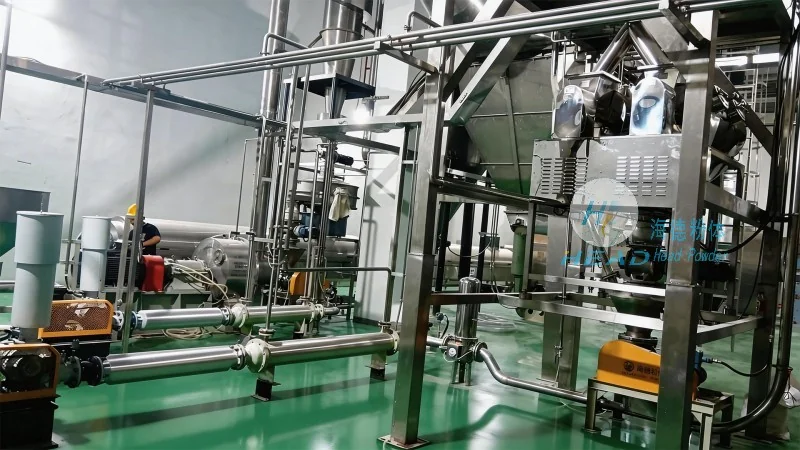
Key Working Principles of the Equipment
The core principle of baking soda powder conveying equipment is to utilize mechanical forces to move the powder through a system of pipes, hoppers, and valves. Common types include pneumatic conveying systems, screw conveyors, and bucket elevators, each with distinct advantages depending on the specific application requirements. Pneumatic conveying, for instance, uses compressed air to transport the powder in a sealed system, minimizing dust exposure and ensuring a clean transfer process. This method is particularly effective for long-distance or high-rise transport, as it can handle both horizontal and vertical movement with ease. Screw conveyors, on the other hand, rely on rotating screws to push the powder forward, suitable for horizontal or slight incline applications. They are often used in applications where the powder needs to be mixed or blended with other materials before processing. Bucket elevators are ideal for vertical transport, using buckets attached to a chain or belt to lift the powder from lower to higher levels. This type of equipment is commonly used in facilities where the powder needs to be elevated to a higher level for further processing or storage.
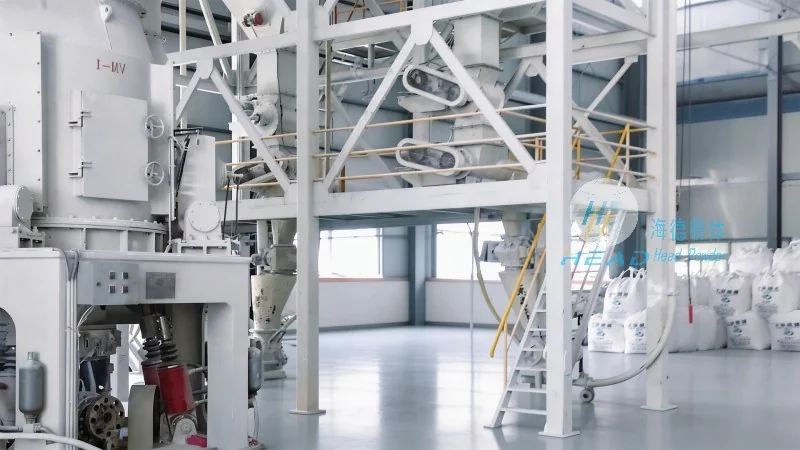
Working Scene Characteristics and Application Scenarios
The working scene characteristics of baking soda powder conveying equipment are tailored to the specific needs of different industrial environments. For example, in food processing facilities, the equipment must comply with sanitary standards, ensuring that the conveying system is easy to clean and maintain, and does not introduce contaminants into the product. The use of stainless steel components and food-grade materials is common in such applications. In pharmaceutical applications, the equipment is often designed with closed-loop systems and high-purity materials to maintain the purity of the powder and prevent cross-contamination. The equipment may also include features like air filtration and particle size control to meet stringent regulatory requirements. In chemical manufacturing plants, the equipment may need to handle varying particle sizes and moisture content, requiring adjustable conveying speeds and pressure controls to prevent clogging or material degradation. The ability to handle different powder properties makes this equipment versatile for various chemical processes.
Technical Advantages and Practical Benefits
Implementing specialized baking soda powder conveying equipment offers several technical advantages and practical benefits for industrial operations. One of the primary benefits is improved safety, as the equipment minimizes direct human contact with the powder, reducing the risk of dust inhalation and explosion hazards. The sealed systems used in many conveying methods help contain the powder and prevent dust from dispersing into the air, creating a safer working environment. Additionally, the controlled conveying process ensures consistent material flow, which helps maintain stable production rates and product quality. This consistency is crucial in industries where product uniformity is essential, such as in food and pharmaceutical manufacturing. The equipment also reduces material loss and waste by preventing spillage and caking. Caking can occur when the powder accumulates and hardens, leading to blockages and increased maintenance costs. By maintaining a consistent flow and preventing moisture buildup, the conveying equipment helps keep the powder in a free-flowing state, reducing waste and improving overall efficiency. Furthermore, the modular design of many conveying systems allows for easy integration with existing production lines, minimizing downtime during installation and operation. This flexibility makes it easier for companies to upgrade or expand their facilities without major disruptions to production.
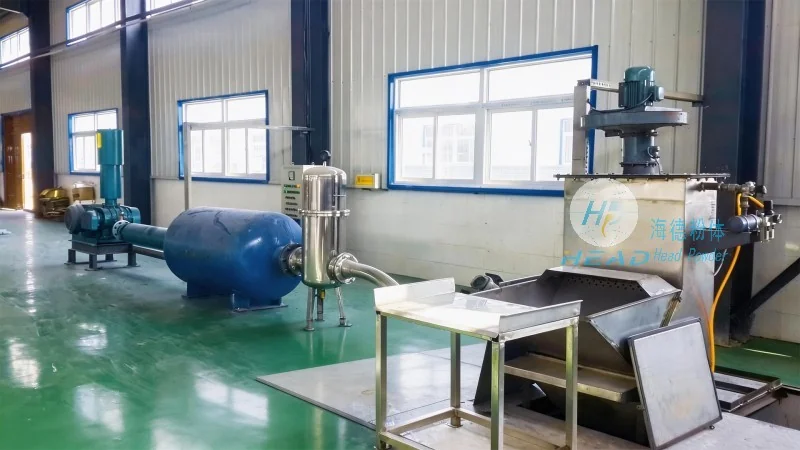
Company Profile: Shandong HeadPowder Engineering Co., Ltd.
As a leading manufacturer of industrial conveying equipment, Shandong HeadPowder Engineering Co., Ltd. specializes in providing customized solutions for handling fine powders like baking soda. With years of experience in the industry, the company offers a range of equipment tailored to meet the unique requirements of different applications. The company's products are designed with high-quality materials and advanced technology to ensure durability, efficiency, and safety. HeadPowder's commitment to customer satisfaction and technical excellence has made it a trusted partner for many industries worldwide. The company's facilities are equipped with state-of-the-art manufacturing equipment and a team of skilled engineers who work closely with clients to develop solutions that address their specific needs. HeadPowder also provides after-sales support, including maintenance services and technical assistance, to ensure that the equipment operates at optimal performance levels. By focusing on quality and customer service, Shandong HeadPowder Engineering Co., Ltd. has established itself as a leading provider of baking soda powder conveying equipment in the global market.




