HeadPowder, a leading manufacturer based in Shandong, China, specializes in the design and production of specialized powder transport equipment tailored for the food additives industry. This article explores the fundamental principles behind such equipment and highlights the key characteristics of its operational environments.
Understanding the Core Principles of Powder Transport Equipment
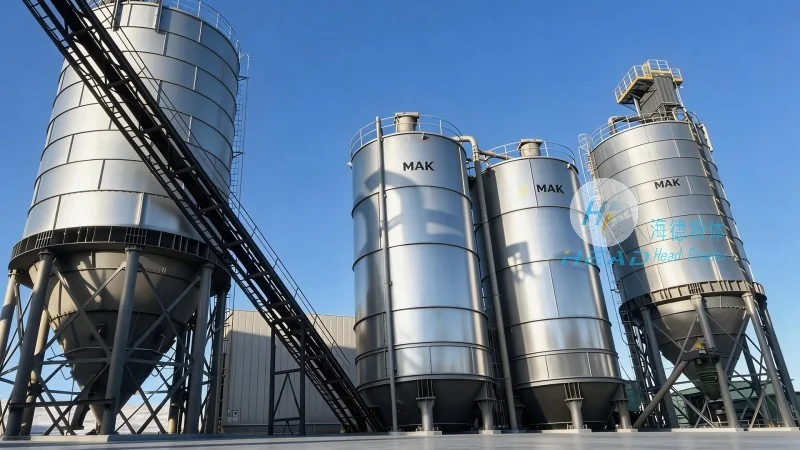
The operation of powder transport equipment for food additives is built upon several critical principles that ensure efficient, safe, and reliable material handling. These principles include the management of flow, air pressure, and material properties to prevent issues like caking, agglomeration, or segregation. The equipment typically utilizes pneumatic or mechanical systems to move powders, with pneumatic systems being particularly common due to their ability to handle fine powders without the need for mechanical contact, which is essential for maintaining product purity and quality.
Key components of these systems include feeders, conveyors, and control units. Feeders are responsible for accurately dosing the powder into the transport line, while conveyors, such as screw conveyors or pneumatic ducts, move the material through the system. Control units monitor and adjust parameters like air pressure, flow rate, and temperature to optimize performance and prevent equipment damage or product degradation.
Working Scene Characteristics of Food Additive Powder Transport
The working environments for food additive powder transport equipment are characterized by strict hygiene standards, precise control requirements, and the need for minimal product contamination. These characteristics are directly influenced by the nature of the materials being handled—often fine, hygroscopic, or sensitive powders that require careful handling to avoid quality issues.
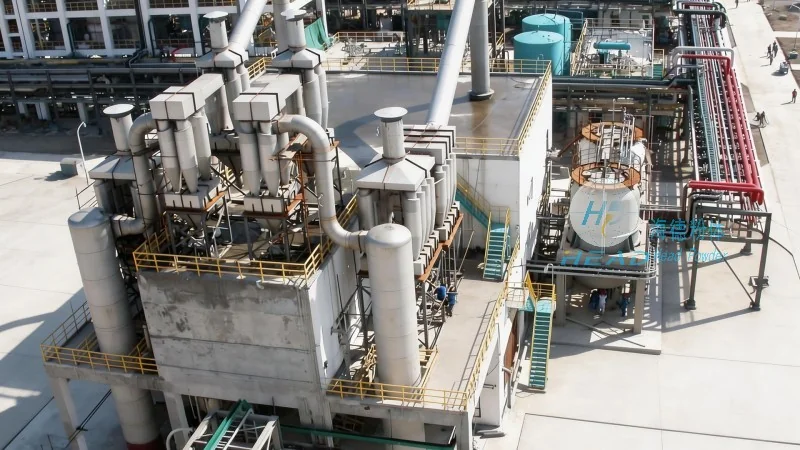
One of the primary characteristics is the emphasis on cleanroom or GMP (Good Manufacturing Practice) compliance. The equipment is designed with smooth, easy-to-clean surfaces and sealed components to prevent cross-contamination between different product batches. This is crucial in the food industry, where product safety and regulatory adherence are paramount.
Another key characteristic is the need for precise control over flow rates and material consistency. Variations in flow can lead to uneven product distribution in downstream processes, such as mixing or packaging. Therefore, the equipment incorporates advanced control systems that allow for real-time adjustments based on sensor inputs, ensuring consistent performance and product quality.
Environmental factors also play a significant role in the working scene. For instance, temperature and humidity control are critical to prevent moisture absorption or caking in hygroscopic powders. The equipment may be equipped with temperature-controlled enclosures or dehumidification systems to maintain optimal conditions. Additionally, the layout of the production line, including the placement of feeders, conveyors, and storage silos, is designed to minimize material handling distances and reduce the risk of spillage or dust generation.
Applications and Industry Relevance
Food additive powder transport equipment is widely used across various sectors within the food industry, including the production of colorants, flavor enhancers, preservatives, and nutritional supplements. The equipment's ability to handle a diverse range of powders, from fine to coarse, and its adaptability to different production scales makes it a versatile solution for manufacturers.
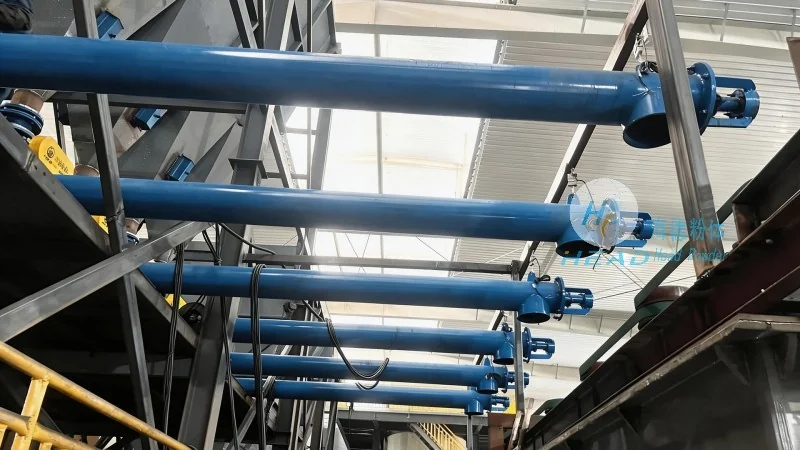
In the colorant industry, for example, the equipment ensures that pigments are transported without degradation, maintaining their vibrant color and stability. In the flavor enhancer sector, precise dosing is essential to achieve the desired taste profile, and the equipment's control systems help achieve this with high accuracy. Similarly, in the production of preservatives, the equipment's hygienic design prevents contamination, ensuring the safety and efficacy of the final product.
The working scene characteristics, such as strict hygiene and precise control, are directly linked to the regulatory requirements of the food industry. Compliance with standards like FDA, EU, and ISO is often mandatory, and the equipment's design and operation must align with these requirements. This includes features like stainless steel construction, CIP (Clean-In-Place) capabilities, and traceability systems that allow for the tracking of each batch of material.
Conclusion
HeadPowder's powder transport equipment for food additives combines advanced engineering principles with stringent operational characteristics to deliver reliable and efficient material handling solutions. By understanding the core principles and working scene requirements, manufacturers can optimize their production processes, enhance product quality, and ensure compliance with industry standards. As a trusted supplier based in Shandong, China, HeadPowder continues to innovate and provide tailored solutions that meet the evolving needs of the food additives industry.




