HeadPowder, a leading enterprise in the field of powder conveying technology, specializes in the design, manufacturing, and application of dust powder conveying systems. Based in Shandong, China, the company has established itself as a reliable partner for industries requiring efficient and reliable powder handling solutions. This article delves into the fundamental principles of dust powder conveying equipment and highlights the key characteristics of its working environments.
Core Principles of Dust Powder Conveying Systems
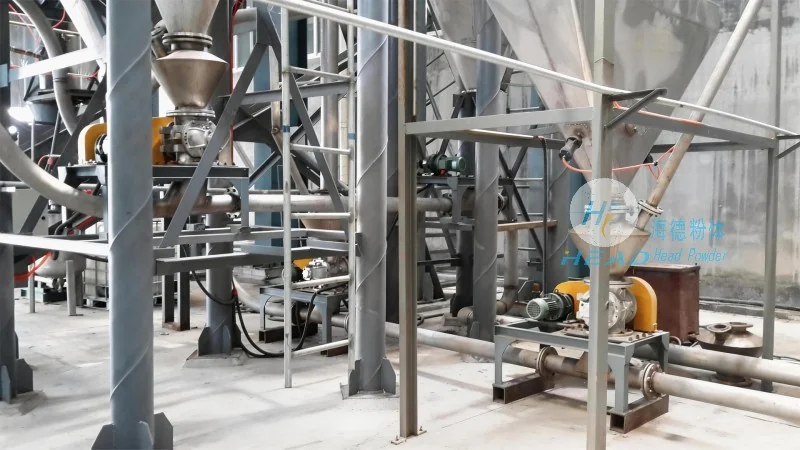
The dust powder conveying system is engineered to transport fine powders, dusts, and granular materials over long distances with minimal loss and maximum efficiency. The core principle revolves around the use of air as the conveying medium, which creates a flow that carries the powder particles through a pipeline. This pneumatic conveying method is widely adopted due to its ability to handle a variety of materials, including those that are abrasive, corrosive, or sensitive to moisture. The system typically consists of a feeding unit, a conveying line, a separation unit, and a discharge unit. The feeding unit ensures that the powder is introduced into the system in a controlled manner, while the conveying line uses air pressure or vacuum to move the material. The separation unit, often a cyclone or a filter, separates the powder from the air stream, and the discharge unit collects the material for further processing. The entire process is designed to maintain the integrity of the powder, preventing agglomeration or degradation during transport.
Working Scene Characteristics of Dust Powder Conveying Equipment
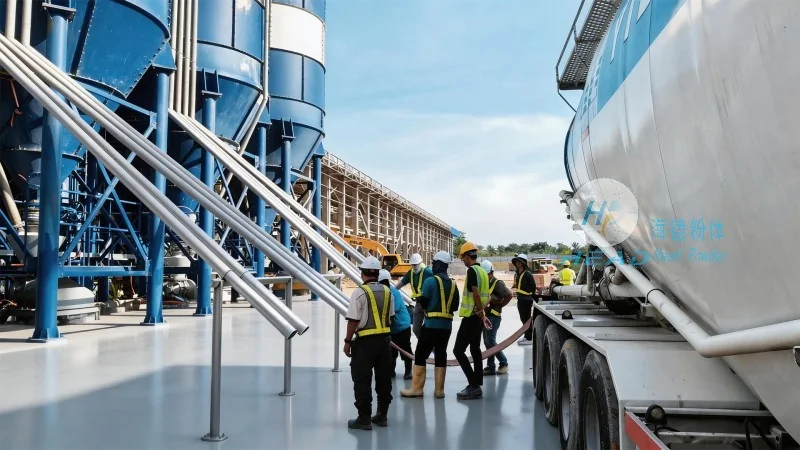
The working environment of dust powder conveying systems is characterized by several key factors that influence their performance and efficiency. Firstly, the system operates in a controlled environment where air quality and pressure are carefully managed to ensure optimal conveying. The working scene often involves industrial settings such as chemical plants, food processing facilities, and pharmaceutical manufacturing sites, where the handling of fine powders is critical. These environments require equipment that can handle high volumes of material while maintaining low maintenance costs and high reliability. The characteristics of the working scene also include the need for dust control measures, as the system generates airborne particles that must be contained to comply with safety and environmental regulations. Additionally, the system's design must accommodate the specific properties of the powder being conveyed, such as particle size, density, and moisture content, to ensure effective transport. The working scene may also involve integration with other industrial processes, requiring the conveying system to be compatible with existing equipment and infrastructure.
Application Scenarios and Operational Efficiency
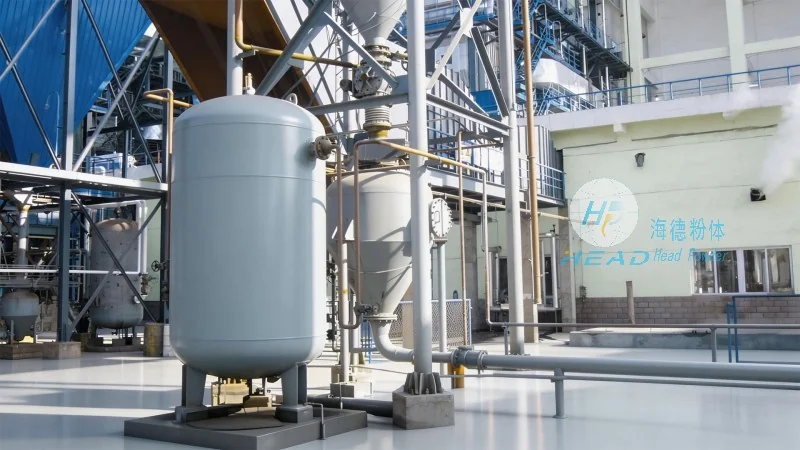
HeadPowder's dust powder conveying systems are applied in diverse operational scenarios across various industries. In the chemical industry, for example, the system is used to transport raw materials like calcium carbonate and silica to production lines, ensuring a steady supply of high-quality powders. In the food industry, the equipment is employed to convey ingredients such as flour and sugar, maintaining hygiene standards and preventing contamination. The pharmaceutical sector utilizes the system to handle active pharmaceutical ingredients (APIs) and excipients, where precision and cleanliness are paramount. These applications highlight the system's ability to operate in demanding environments while delivering consistent performance. The operational efficiency of the dust powder conveying system is enhanced by its modular design, which allows for easy maintenance and scalability. The system can be adjusted to handle varying material loads and conveying distances, making it adaptable to different production requirements. Furthermore, the use of advanced control systems enables real-time monitoring of the conveying process, allowing operators to optimize performance and minimize downtime. The working scene characteristics, combined with the system's operational efficiency, make it an essential component in modern industrial operations.
Technical Advantages and Customization Options
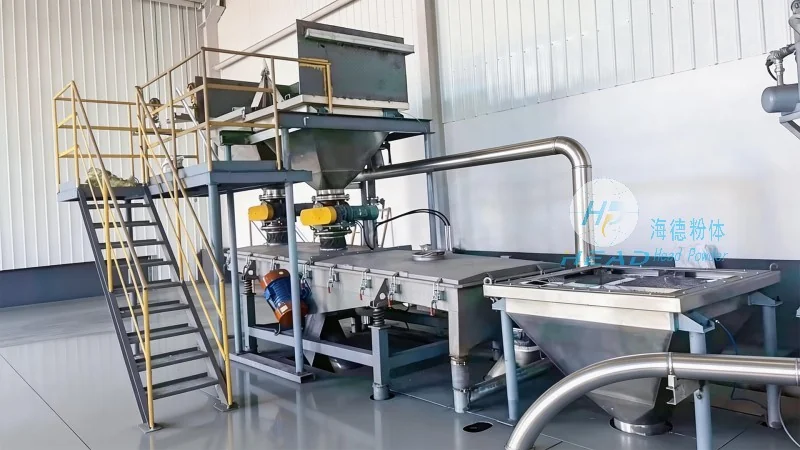
HeadPowder's dust powder conveying equipment offers several technical advantages that set it apart from traditional conveying methods. The pneumatic conveying system provides a dust-free operation, reducing the risk of inhalation hazards and improving workplace safety. The system also minimizes material loss during transport, as the powder is contained within the pipeline, preventing spillage and waste. Another key advantage is the ability to handle a wide range of materials, from fine powders to coarse granules, without the need for additional processing. The equipment is designed with corrosion-resistant materials to withstand harsh chemical environments, ensuring long-term durability. Customization is a significant feature of the system, allowing HeadPowder to tailor the equipment to the specific needs of each client. This includes adjusting the conveying line diameter, modifying the feeding and discharge mechanisms, and integrating additional components such as filters or cyclones. The company's engineering team works closely with clients to understand their operational requirements and develop a customized solution that maximizes efficiency and cost-effectiveness. The technical advantages and customization options make the dust powder conveying system a versatile and reliable choice for industries seeking efficient powder handling solutions.




