HeadPowder, a leading manufacturer based in Shandong, China, specializes in the design and production of advanced fine sand powder conveying systems. These systems are engineered to handle the unique challenges of transporting fine sand and other powders efficiently and reliably. This article explores the fundamental principles behind such systems and highlights the key working scene characteristics that make them indispensable in various industrial applications.
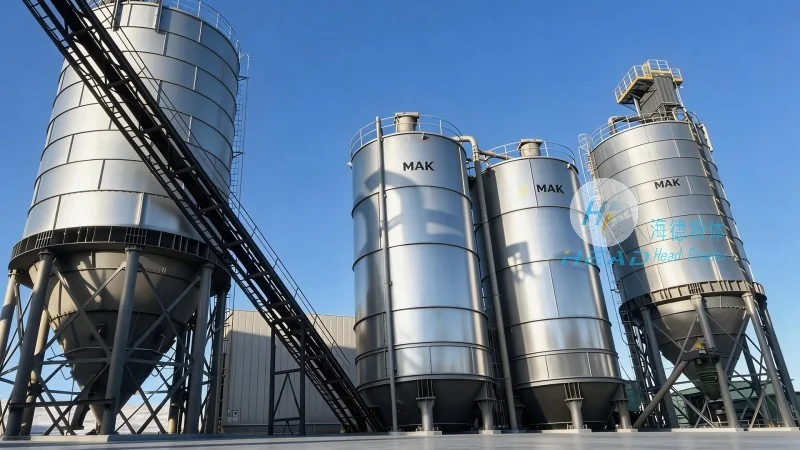
Understanding the Core Principles of Fine Sand Powder Conveying Systems
The operation of fine sand powder conveying systems is based on several core principles that ensure optimal performance. The primary goal is to transport fine particles, which are often prone to caking, bridging, or segregation, without causing material degradation or system blockages. Key principles include the use of specialized components such as flexible hoses, screw conveyors, and pneumatic systems that are designed to handle the physical properties of fine sand. These components work in tandem to maintain consistent flow rates, prevent material degradation, and ensure the system operates within safe and efficient parameters. The design incorporates features like variable speed drives, which allow for precise control over the conveying rate, and advanced sealing mechanisms that prevent dust leakage and maintain a clean working environment.
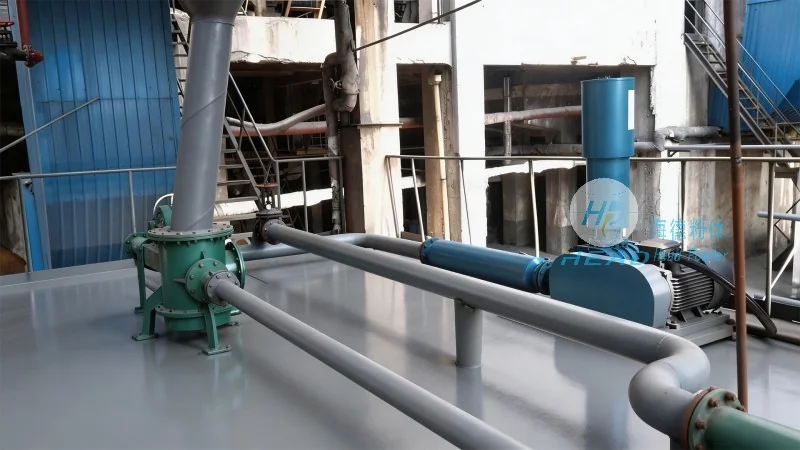
Key Working Scene Characteristics and Applications
Fine sand powder conveying systems are widely used in a variety of industrial settings, each with distinct characteristics that influence the system's design and performance. For instance, in construction and mining industries, these systems are essential for transporting sand from stockpiles to processing plants or mixing facilities. The working scene in such environments often involves large volumes of material, requiring high-capacity conveying solutions that can handle continuous operation over extended periods. The systems are typically integrated with bulk material handling equipment, such as feeders and silos, to ensure a seamless flow from extraction to processing. In manufacturing settings, particularly in the production of concrete, mortar, and other building materials, fine sand powder conveying systems play a critical role in maintaining consistent material quality. The working scene here emphasizes precision and reliability, as any variation in the sand's moisture content or particle size can significantly impact the final product's properties. Therefore, the systems are equipped with sensors and control systems that monitor and adjust parameters in real-time to maintain optimal conditions.
Advantages and Performance Metrics in Different Working Scenarios
The effectiveness of fine sand powder conveying systems is evaluated based on several performance metrics that are critical for different working scenarios. One of the primary advantages is the ability to handle fine particles without causing blockages or material degradation. This is achieved through the use of smooth, non-stick surfaces in the conveying components, which reduce friction and prevent the accumulation of fine particles. Another key advantage is the system's adaptability to varying material properties. By adjusting parameters such as air pressure, conveyor speed, or screw pitch, operators can optimize the system's performance for different types of fine sand, ensuring consistent and efficient transport. Performance metrics such as conveying capacity, which measures the volume of material transported per unit time, and energy efficiency, which reflects the system's power consumption relative to its output, are crucial for evaluating the system's effectiveness in real-world applications. In industrial settings, these metrics are often tailored to the specific requirements of the working scene, such as high-volume production lines or low-maintenance operations.
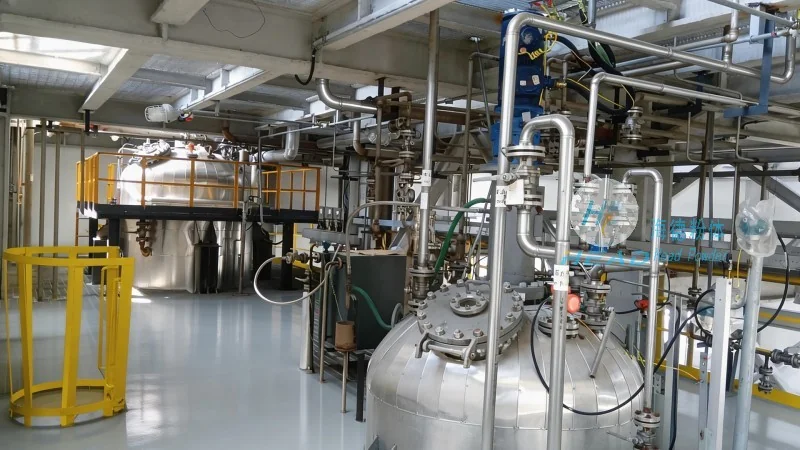
Customization and Integration for Specific Working Environments
HeadPowder understands that each working scene has unique requirements, and therefore, offers customized solutions tailored to specific industrial needs. The company's engineers work closely with clients to assess their operational environment, material characteristics, and production goals to design a system that meets their exact specifications. Customization may involve adjusting the system's size, capacity, or components to fit the available space or handling requirements. For example, in a compact construction site, a smaller, portable conveying system may be preferred, while a large-scale mining operation might require a high-capacity, continuous system. Integration with existing equipment is another critical aspect of customization. HeadPowder's systems can be integrated with existing feeders, silos, or processing machinery to create a seamless material handling solution. This integration ensures that the fine sand is transported efficiently from one stage of production to the next, minimizing downtime and maximizing productivity. The company also provides maintenance and support services to ensure that the system continues to operate at optimal levels throughout its lifecycle.




