Understanding the principles and operational characteristics of soda ash material handling systems is crucial for industries relying on efficient and reliable transportation of this essential chemical. This article explores the fundamental mechanisms behind these systems and highlights key working scene characteristics that define their effectiveness in various industrial applications.
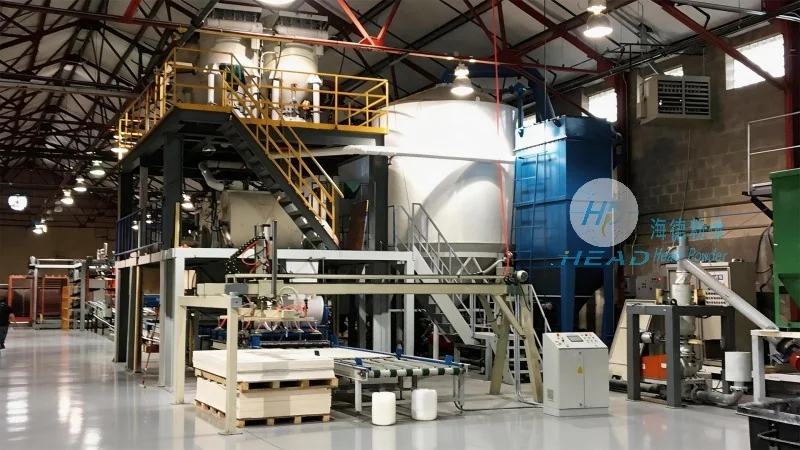
Core Principles of Soda Ash Material Handling Systems
Soda ash, also known as sodium carbonate, is a widely used chemical in industries such as glass manufacturing, chemical production, and water treatment. The material handling systems designed for soda ash must address its physical properties, including its granular or powder form, which can pose challenges during transport. The core principles of these systems revolve around ensuring safe, efficient, and consistent movement of the material from storage to processing units.
Key components of soda ash material handling systems typically include storage silos, conveyor belts, pneumatic conveying equipment, and control systems. Each component plays a vital role in maintaining the integrity of the material and optimizing the overall transport process. For instance, storage silos are designed to prevent caking and maintain material flow, while conveyor belts ensure smooth and continuous movement. Pneumatic conveying systems, on the other hand, use air pressure to transport the material, which is particularly effective for fine powders like soda ash.
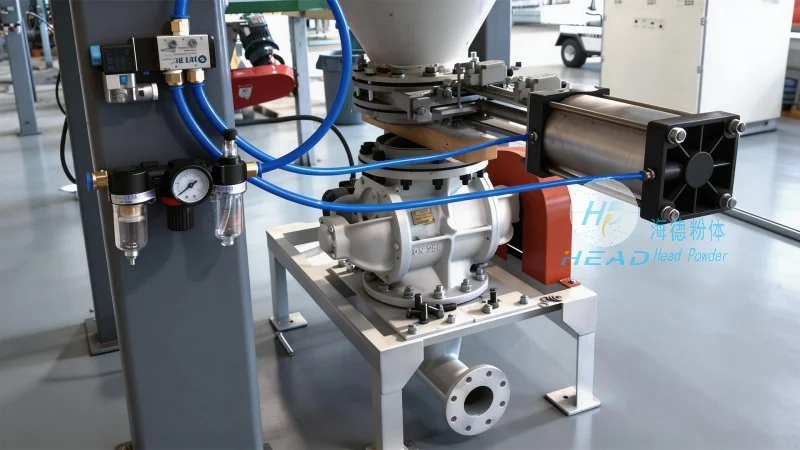
Working Scene Characteristics of Soda Ash Material Handling Systems
The working scene characteristics of soda ash material handling systems are shaped by the specific requirements of industrial environments where they are deployed. These characteristics include factors such as the scale of operations, the type of material handling equipment used, and the integration with other production processes. In large-scale manufacturing facilities, for example, these systems often operate under high-volume conditions, requiring robust and durable equipment to handle continuous material flow.
Environmental conditions also play a significant role in defining the working scene characteristics. Industries operating in regions with extreme temperatures or humidity levels need material handling systems that can withstand such conditions without compromising performance. Additionally, safety considerations are paramount, as soda ash, while generally non-toxic, can cause irritation if inhaled or come into contact with skin. Therefore, systems are designed with features like dust suppression and proper ventilation to ensure a safe working environment.
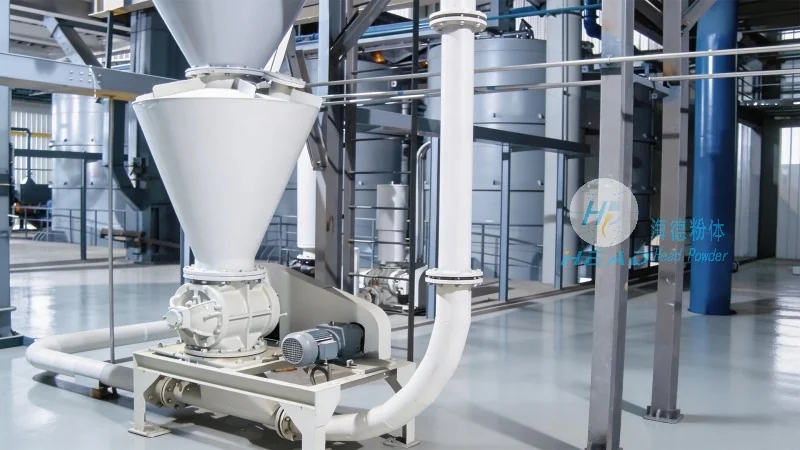
Application Scenarios and Operational Efficiency
The effectiveness of soda ash material handling systems is evident in various application scenarios across different industries. In the glass industry, for instance, soda ash is a primary raw material used in the production of glass. The material handling systems in this sector must ensure a steady supply of soda ash to the furnace, which is critical for maintaining consistent glass quality. Similarly, in chemical manufacturing, these systems facilitate the integration of soda ash into various chemical processes, enhancing overall production efficiency.
Another important aspect is the integration of these systems with automation and control technologies. Modern soda ash material handling systems often incorporate advanced sensors and control panels that monitor material levels, flow rates, and system performance in real-time. This integration allows for proactive maintenance and adjustments, minimizing downtime and maximizing operational efficiency. The use of automation also reduces the need for manual intervention, which is particularly beneficial in high-risk environments where human exposure to the material is minimized.
Challenges and Solutions in Material Handling
Despite their effectiveness, soda ash material handling systems can face challenges such as material caking, blockages in conveyor systems, and equipment wear and tear. These issues can lead to operational disruptions and increased maintenance costs. To address these challenges, manufacturers have developed innovative solutions, including anti-caking agents for storage silos, self-cleaning conveyor designs, and advanced lubrication systems for moving parts.
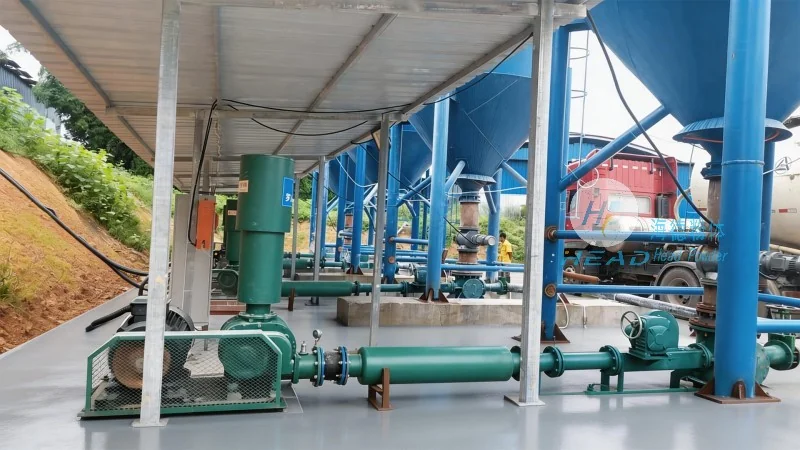
Regular maintenance and monitoring are also essential for ensuring the longevity and reliability of these systems. Companies like Shandong HeadPowder Engineering Co., Ltd., based in China, specialize in designing and manufacturing customized material handling solutions tailored to the specific needs of their clients. Their expertise in soda ash material handling systems has helped numerous industries improve their operational efficiency and reduce costs associated with material transport.
Conclusion
In conclusion, soda ash material handling systems are integral to the efficient operation of industries that rely on this essential chemical. By understanding the core principles and working scene characteristics, businesses can select and implement the most suitable systems to meet their production needs. The continuous advancements in material handling technology, coupled with the expertise of companies like Shandong HeadPowder Engineering Co., Ltd., ensure that these systems remain effective and reliable in diverse industrial applications.




