Efficient and reliable tailings material handling is a critical aspect of modern mining operations, ensuring the safe and sustainable transport of tailings from processing facilities to disposal or reclamation sites. The design and implementation of tailings handling systems play a pivotal role in optimizing operational efficiency while adhering to environmental regulations. This article explores the fundamental principles behind tailings material handling systems and highlights the key characteristics of their working environments, providing insights into how these systems contribute to the overall success of mining projects.
Understanding the Core Principles of Tailings Material Handling Systems
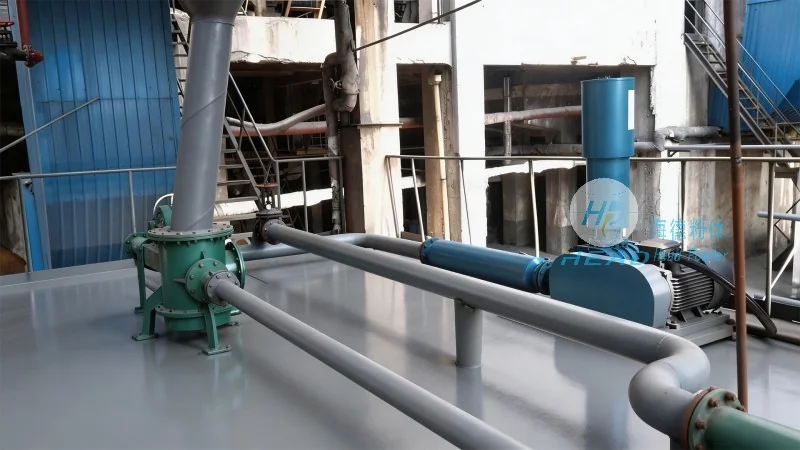
Tailings material handling systems are engineered to manage the transport of tailings, which are the fine-grained residues left after ore processing. These systems typically involve a combination of equipment such as conveyors, pumps, and storage facilities, designed to handle the unique challenges posed by tailings, including their high moisture content, abrasive nature, and varying particle sizes. The primary principles guiding the design of these systems include maximizing throughput, minimizing downtime, and ensuring environmental safety. Engineers at Shandong HeadPowder Engineering Co., Ltd. in China have developed advanced solutions that integrate these principles, leveraging years of experience in the mining industry to create customized systems tailored to specific project requirements.
Key Working Scene Characteristics of Tailings Material Handling Systems
The working environments for tailings material handling systems vary significantly based on the type of mining operation and the scale of the project. In large-scale open-pit mines, for instance, systems may need to handle vast volumes of tailings over long distances, often using long-distance conveyors or slurry pipelines. In contrast, smaller underground mines might utilize more compact systems, such as bucket elevators or screw conveyors, to transport tailings vertically or horizontally within the mine. The characteristics of the working scene also include factors like terrain, weather conditions, and the need for integration with existing infrastructure. For example, in areas with steep topography, inclined conveyors or gravity-fed systems may be employed to reduce energy consumption and operational costs. Additionally, the systems must be designed to withstand harsh environmental conditions, including extreme temperatures, humidity, and exposure to corrosive materials, ensuring long-term reliability and minimal maintenance.
Application Scenarios and Operational Efficiency
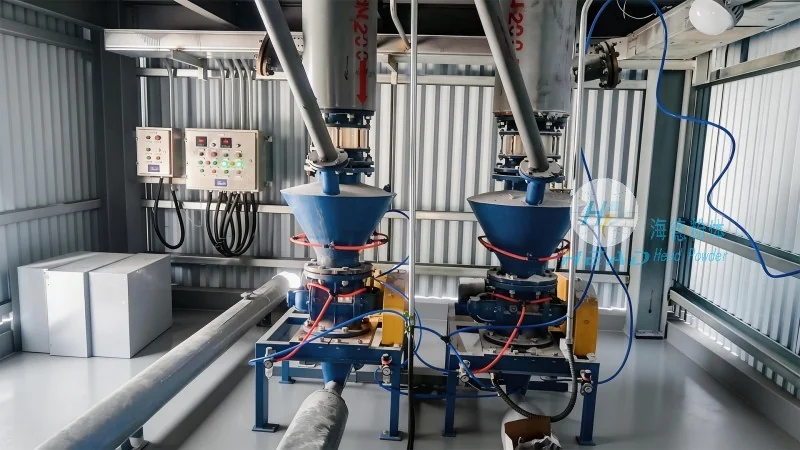
Tailings material handling systems are deployed in diverse operational scenarios, each with distinct requirements that influence system design and performance. In primary processing plants, the systems are responsible for transporting tailings from the crushing and grinding stages to storage facilities or disposal sites. The efficiency of these systems directly impacts the overall production capacity of the plant, as delays in tailings transport can lead to bottlenecks in ore processing. At reclamation sites, the systems may be used to transport tailings for backfilling or land restoration, where the focus is on minimizing environmental impact and ensuring proper compaction. The working scene characteristics, such as the need for continuous operation or intermittent use, also affect the choice of equipment. Continuous systems, like belt conveyors, are ideal for 24/7 operations, while intermittent systems, such as pumps, may be used for periodic transport of tailings. The integration of automation and control systems further enhances operational efficiency, allowing for real-time monitoring and adjustment of system parameters to optimize performance.
Environmental and Safety Considerations in Tailings Handling
Environmental compliance is a critical factor in the design and operation of tailings material handling systems. The systems must be engineered to prevent water contamination, minimize dust emissions, and reduce the risk of tailings leakage or spillage. Advanced technologies, such as closed-loop systems and dewatering equipment, are employed to manage the moisture content of tailings, reducing the volume of water that needs to be handled and disposed of. Safety considerations are equally important, as the systems operate in hazardous environments with moving parts and potentially toxic materials. Proper safety protocols, including regular maintenance, training for operators, and emergency response plans, are essential to ensure the safety of personnel and the surrounding environment. Shandong HeadPowder Engineering Co., Ltd. adheres to strict environmental and safety standards, incorporating these considerations into every aspect of their tailings handling system designs to meet or exceed regulatory requirements.
Customization and Scalability for Diverse Mining Needs
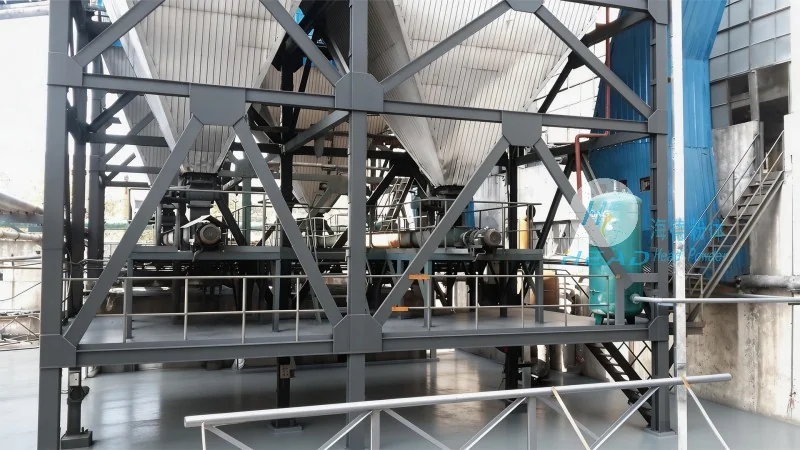
One of the key advantages of tailings material handling systems developed by Shandong HeadPowder Engineering Co., Ltd. is their ability to be customized to meet the specific needs of different mining projects. The company’s engineers work closely with clients to assess the unique challenges of each project, including the type of ore, the scale of the operation, and the environmental constraints. This collaborative approach ensures that the final system is optimized for performance, cost-effectiveness, and sustainability. Additionally, the systems are designed to be scalable, allowing for future expansion as the mining operation grows. This flexibility is particularly valuable in long-term mining projects, where the initial system may need to be upgraded or expanded to accommodate increased production levels. The use of modular components in the system design further enhances scalability, enabling quick and cost-effective modifications without disrupting ongoing operations.
Conclusion and Future Trends in Tailings Handling
Tailings material handling systems are essential components of modern mining operations, playing a crucial role in the efficient and safe management of tailings. The principles and working scene characteristics discussed in this article highlight the complexity and importance of these systems. As mining operations continue to evolve, the demand for more advanced and sustainable tailings handling solutions will increase. Future trends may include the integration of artificial intelligence and machine learning to optimize system performance, the use of renewable energy sources to power the systems, and the development of more eco-friendly materials for equipment construction. Shandong HeadPowder Engineering Co., Ltd. remains at the forefront of these developments, committed to providing innovative and reliable tailings handling solutions that meet the evolving needs of the mining industry. With their expertise and dedication to quality, the company continues to be a trusted partner for mining projects worldwide, ensuring the successful and sustainable operation of tailings material handling systems.




