Shandong HeadPowder Engineering Co., Ltd., commonly known as HeadPowder, is a professional engineering company based in Shandong, China. With a focus on providing advanced solutions for ceramic powder handling, the company specializes in the design, manufacturing, and implementation of pneumatic conveying systems tailored to the unique needs of the ceramic industry. This article introduces the core components and benefits of ceramic powder pneumatic conveying systems, highlighting how such systems enhance efficiency, safety, and operational reliability in material transport.
Key Components of Ceramic Powder Pneumatic Conveying Systems
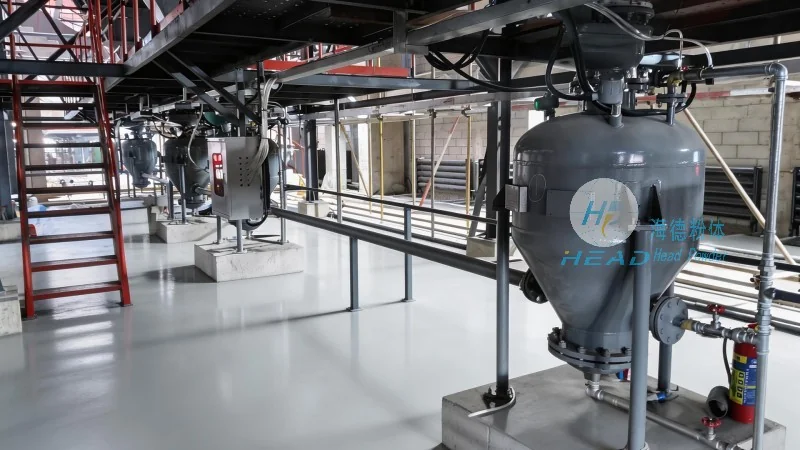
The ceramic powder pneumatic conveying system is a sophisticated setup that integrates several critical components to ensure effective and safe material transport. At the heart of the system is the material feed hopper, which stores and regulates the flow of ceramic powders. This hopper is equipped with level sensors and feeding mechanisms to maintain consistent material supply. The conveying line, typically made of high-quality stainless steel or specialized materials resistant to abrasive ceramic particles, transports the powder from the feed point to the discharge point. The system may include various accessories such as cyclones for separation, filters to capture fine particles, and pressure vessels to manage air flow and pressure. Each component is carefully selected and engineered to handle the specific characteristics of ceramic powders, which often include high abrasiveness, fine particle size, and potential moisture content.
Advantages of Pneumatic Conveying for Ceramic Powders
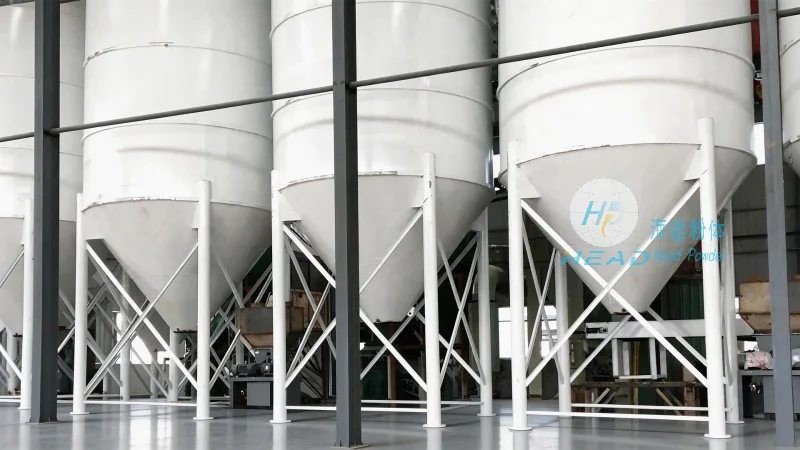
Implementing a pneumatic conveying system for ceramic powders offers numerous advantages over traditional methods like belt conveyors or manual handling. Firstly, it significantly reduces the risk of dust exposure and contamination, which is crucial in maintaining product quality and ensuring workplace safety. The enclosed system prevents dust from spreading into the environment, aligning with stringent industrial hygiene standards. Secondly, pneumatic conveying enhances operational efficiency by allowing for continuous, automated material transport without the need for manual intervention. This automation minimizes downtime and labor costs, leading to higher productivity. Additionally, the system’s ability to handle fine and abrasive powders without causing wear and tear on equipment prolongs the lifespan of machinery and reduces maintenance expenses. The controlled air flow and pressure management also enable precise control over the conveying rate, ensuring consistent material delivery to downstream processes like mixing, molding, or packaging.
Customized System Solutions by HeadPowder
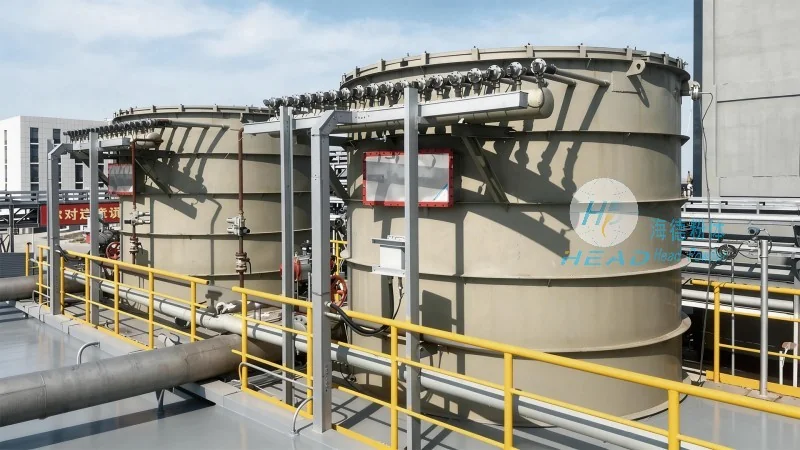
HeadPowder understands that each ceramic production facility has unique operational requirements, and thus offers customized pneumatic conveying solutions. The company’s engineering team works closely with clients to assess their specific needs, including the type of ceramic powder (e.g., porcelain, stoneware, or refractory materials), production volume, and existing infrastructure. Based on this assessment, HeadPowder designs a system that optimizes material flow, minimizes energy consumption, and maximizes safety. The company provides comprehensive services, from initial system design and engineering to installation, commissioning, and ongoing maintenance support. This end-to-end approach ensures that the final system is not only efficient but also reliable and cost-effective. By leveraging advanced technologies and years of industry experience, HeadPowder delivers tailored solutions that meet the exact specifications of each client, whether for small-scale production or large industrial applications.
Application Scenarios in the Ceramic Industry
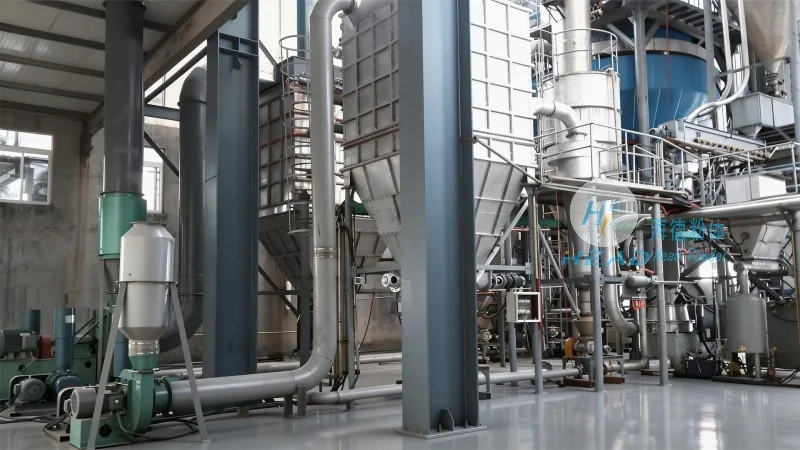
Ceramic powder pneumatic conveying systems are widely used across various stages of the ceramic manufacturing process. In raw material handling, the system efficiently transports clay, feldspar, and other raw powders from storage silos to production lines. During the production phase, it conveys colored pigments and additives to mixing equipment, ensuring uniform color distribution in ceramic products. In the finishing stage, the system can transport finished ceramic powders or products to packaging and shipping areas. Additionally, the system is valuable in quality control processes, where it transports samples for testing and analysis. The versatility of pneumatic conveying makes it suitable for both batch and continuous production, adapting to the dynamic needs of modern ceramic manufacturing. By integrating such systems, ceramic manufacturers can streamline their operations, improve product consistency, and enhance overall competitiveness in the market.




