Phosphogypsum, a byproduct of the phosphate fertilizer industry, presents unique handling challenges due to its fine particle size and moisture content. Traditional conveying methods often struggle with dust generation, material degradation, and operational inefficiencies. This document outlines a comprehensive pneumatic conveying system solution designed specifically for the transport of phosphogypsum, addressing these challenges while ensuring compliance with industrial standards and operational efficiency.
System Overview and Core Components
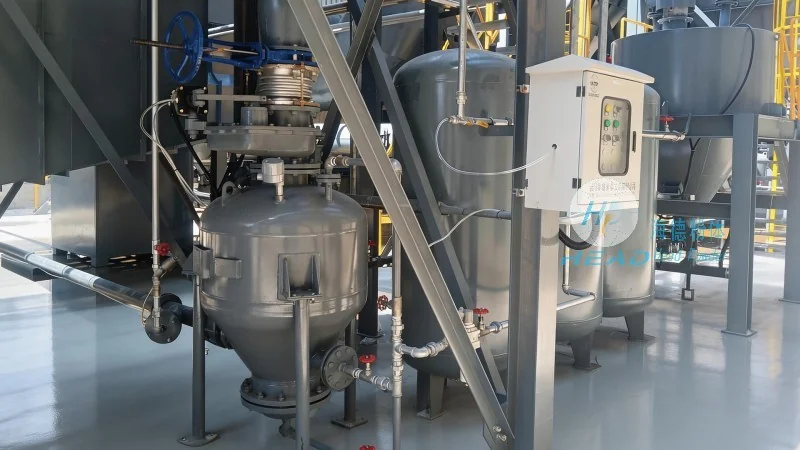
The pneumatic conveying system for phosphogypsum is engineered to provide a reliable, dust-free, and energy-efficient method of material transport. The system typically comprises several key components, including a material feeding unit, a conveying pipeline network, a dust collection system, and a control panel. Each component is selected to handle the specific properties of phosphogypsum, such as its low bulk density and tendency to agglomerate.
Material Feeding and Conditioning
The feeding process is critical to the system's performance, as it directly impacts the flow rate and consistency of the material. The system incorporates a specialized feeder, often a rotary valve or a screw feeder, which can handle the fine, dry phosphogypsum without causing blockages or excessive wear. To further optimize performance, a conditioning unit may be included to adjust moisture levels or break up any agglomerates, ensuring a uniform feed to the conveying line.
Pneumatic Conveying Pipeline and Air System
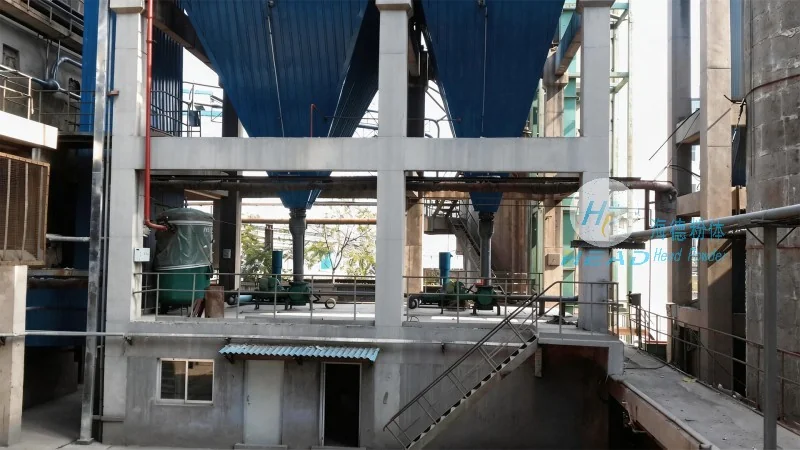
The core of the system is the conveying pipeline, which can be either positive or negative pressure depending on the specific application requirements. Positive pressure systems use compressed air to push the material through the pipeline, while negative pressure systems use vacuum to draw the material. For phosphogypsum, a positive pressure system is often preferred due to its ability to handle longer distances and varying elevations without significant pressure loss. The pipeline is constructed from corrosion-resistant materials, such as stainless steel or coated steel, to withstand the chemical properties of the material and the air used for conveying.
Dust Control and Environmental Compliance
Given the dusty nature of phosphogypsum, effective dust control is a paramount consideration. The system includes a dust collection system, typically a cyclone separator or a baghouse filter, which captures particulate matter before it is released into the environment. This not only ensures compliance with environmental regulations but also improves workplace safety by reducing exposure to fine particles. The design of the dust collection system is tailored to handle the specific particle size distribution of phosphogypsum, maximizing collection efficiency and minimizing re-entrainment.
Control and Monitoring Systems
Advanced control and monitoring systems are integrated into the pneumatic conveying system to ensure optimal operation and maintenance. The control panel allows operators to adjust parameters such as air pressure, feed rate, and system speed in real-time, adapting to changes in material flow or system conditions. Sensors and indicators monitor key parameters, including pressure, flow rate, and temperature, providing early warnings of potential issues and facilitating proactive maintenance. This level of automation enhances system reliability and reduces downtime, contributing to overall operational efficiency.
Customization and Scalability
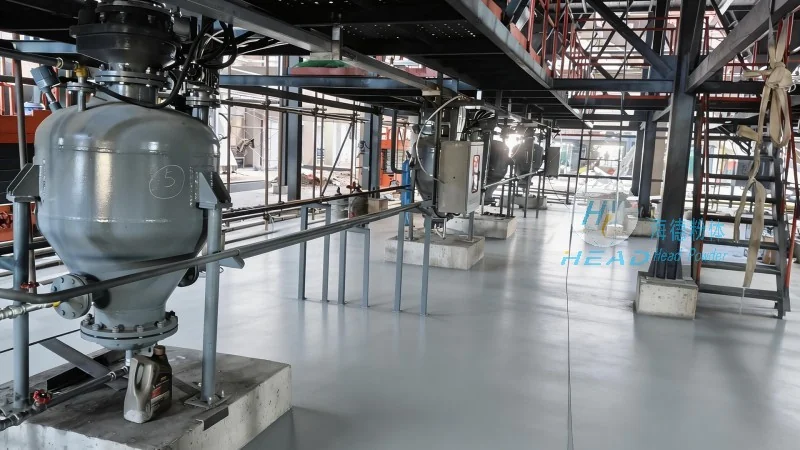
Shandong HeadPowder Engineering Co., Ltd., a leading provider of material handling solutions, offers customized pneumatic conveying systems tailored to the specific needs of each client. The company's expertise in phosphogypsum handling allows for the design of systems that can be scaled to accommodate varying production volumes and operational requirements. Whether for a small-scale application or a large industrial facility, the system can be adapted to meet the unique challenges of each project, ensuring optimal performance and cost-effectiveness.
Conclusion
The pneumatic conveying system solution for phosphogypsum, as presented by Shandong HeadPowder Engineering Co., Ltd., represents a sophisticated approach to material handling that addresses the specific challenges of this industry byproduct. By integrating advanced components, robust control systems, and effective dust management, the system provides a reliable, efficient, and environmentally compliant method of transporting phosphogypsum. This solution not only enhances operational performance but also contributes to improved safety and sustainability in the handling of phosphogypsum.




