HeadPowder, a prominent engineering company headquartered in Shandong, China, specializes in developing and implementing advanced pneumatic conveying solutions for capsule materials. This article delves into the fundamental principles of these systems and outlines the key operational characteristics that define their effectiveness across diverse industrial applications.
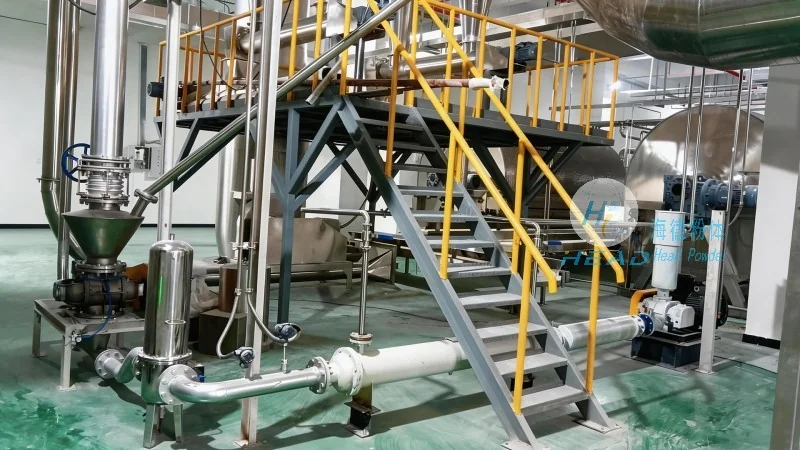
The Core Principle of Pneumatic Conveying
Pneumatic conveying lines for capsule materials rely on the principle of transporting solid particles through a pipeline using air or gas. Unlike mechanical systems that involve physical contact, this method minimizes wear and tear on both the material and the equipment, ensuring a clean and efficient transfer process. The system typically comprises a hopper for material storage, a conveyor line for transport, and a discharge point for delivery. A blower or compressor supplies air to create a pressure differential, which propels the capsule material through the pipeline. The velocity of the air and the pressure gradient are critical factors that determine the conveying efficiency and material handling capacity.
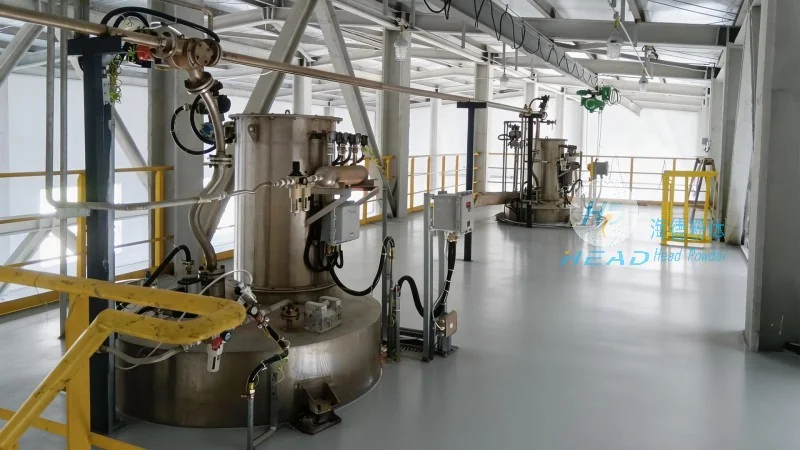
Key Working Scene Characteristics
The operational characteristics of capsule material pneumatic conveying lines are influenced by several key factors, including the material's physical properties, system design, and application requirements. The particle size, density, and moisture content of the capsule material directly impact the conveying velocity and pressure needed to maintain a stable flow. For example, smaller particles may require higher air velocities to prevent settling or clogging, while larger or denser particles may need higher pressure to ensure smooth transport. Additionally, the system's design must accommodate the desired flow rate and throughput, ensuring consistent material delivery without interruptions or degradation.
Applications and Industry Use Cases
HeadPowder's pneumatic conveying lines are widely adopted in industries such as pharmaceutical manufacturing, food processing, and chemical production, where handling capsule materials demands strict adherence to hygiene standards and minimal contamination. In pharmaceutical settings, the systems are engineered to maintain sterile environments, featuring stainless steel construction, easy-to-clean components, and air filtration to prevent particle contamination. Similarly, in food processing, the equipment is built to meet sanitary regulations, with smooth surfaces and non-toxic materials to ensure the capsule materials remain free from pollutants during transport. In chemical industries, the systems are designed to handle various chemical formulations, with corrosion-resistant materials and adjustable pressure controls to accommodate different material properties.
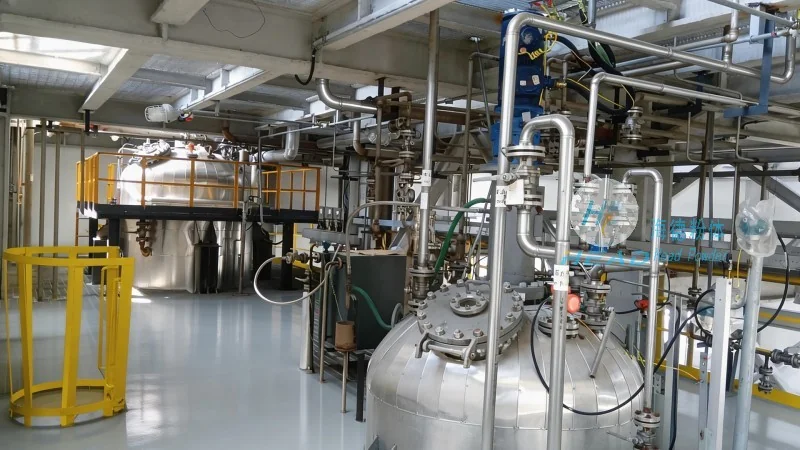
Advantages of Pneumatic Conveying for Capsule Materials
Compared to traditional material handling methods, pneumatic conveying offers several distinct advantages for capsule materials. The primary benefit is the ability to transport materials over long distances with reduced energy consumption, as the air pressure can be optimized to match the material's characteristics. This also minimizes the risk of product degradation, as the material is not subjected to mechanical stress or friction. Furthermore, the system allows for flexible and modular configurations, enabling seamless integration with existing production lines and easy scalability for future expansion. Additionally, pneumatic conveying reduces labor costs by automating the material transfer process, improving overall operational efficiency and productivity.




