Activated carbon powder is a widely used material in various industrial processes, including air purification, water treatment, and chemical synthesis. The efficient and reliable transportation of this fine powder is crucial for maintaining production efficiency and product quality. Pneumatic conveying lines offer an effective solution for handling activated carbon powder, providing a dust-free and controlled method of material transport. This article explores the principles behind activated carbon powder pneumatic conveying systems and highlights the key characteristics of their working scenes.
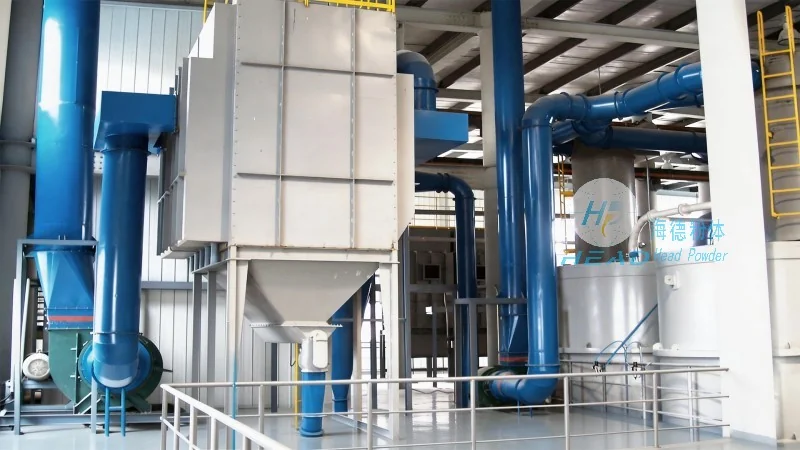
Understanding Pneumatic Conveying Technology for Activated Carbon Powder
Pneumatic conveying is a method of transporting bulk materials through a pipeline using a gas stream, typically air. In the case of activated carbon powder, the system can operate in either suction (or vacuum) or pressure modes. The choice between these modes depends on the specific application requirements, such as the distance to be covered, the volume of material to be transported, and the need for dust control. For activated carbon powder, which is often sensitive to moisture and contamination, a well-designed pneumatic conveying system ensures that the material remains in optimal condition throughout the transport process.
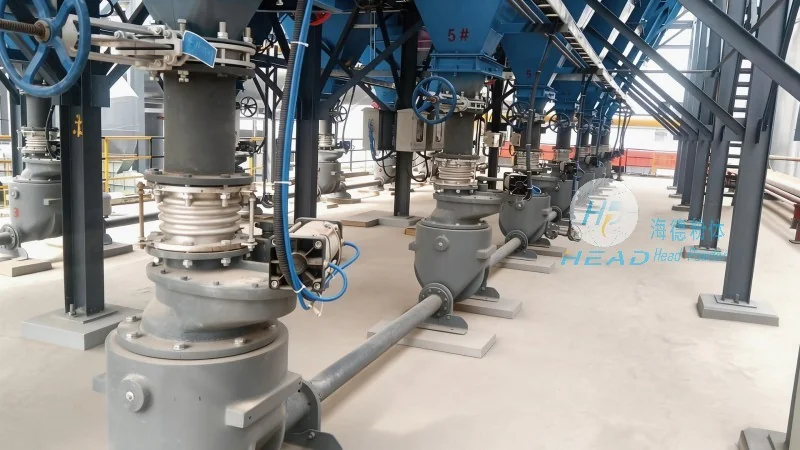
The Working Principle of Activated Carbon Powder Pneumatic Conveying Lines
The core principle of pneumatic conveying involves creating a pressure differential between the material source and the destination. In a suction system, a vacuum is created at the material source, drawing the powder into the pipeline. The air and powder mixture is then transported to the destination, where the powder is separated from the air through a separator. In a pressure system, compressed air is used to push the powder through the pipeline. Both systems rely on the interaction between the air flow and the powder particles to achieve efficient transport. For activated carbon powder, which has a fine particle size and can be prone to agglomeration, the design of the conveying line, including the type of air nozzles, pipeline diameter, and separator efficiency, is critical to prevent blockages and ensure smooth operation.
Key Characteristics of Working Scenes for Activated Carbon Powder Pneumatic Conveying
The working scenes where activated carbon powder pneumatic conveying lines are applied vary across different industries. In the chemical industry, these systems are used to transport activated carbon from storage silos to reactors or filtration units. In water treatment plants, they facilitate the movement of activated carbon from processing tanks to filtration systems, ensuring consistent water purification. The characteristics of these working scenes include high demand for dust-free environments, the need for precise control over material flow rates, and the requirement for systems that can handle varying particle sizes and moisture content. Additionally, the working scenes often involve integration with other industrial equipment, such as mixers, dryers, and filters, requiring the pneumatic conveying line to be compatible with the overall process flow.
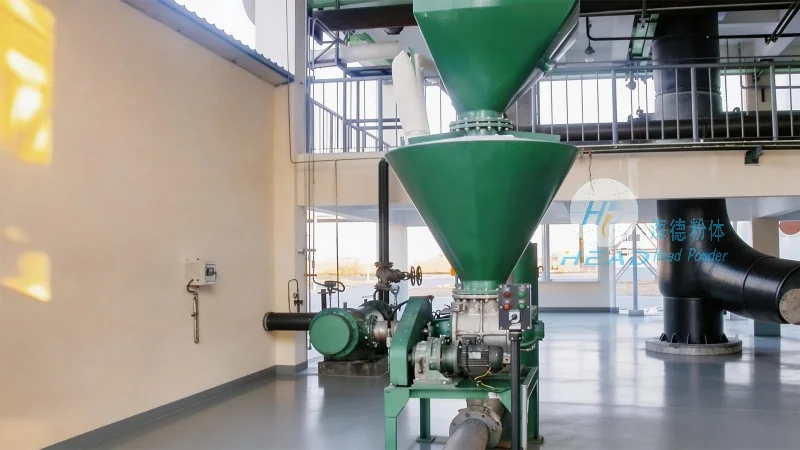
HeadPowder's Expertise in Activated Carbon Powder Pneumatic Conveying Solutions
Shandong HeadPowder Engineering Co., Ltd., a leading provider of engineering solutions for bulk material handling, specializes in designing and manufacturing pneumatic conveying systems tailored to the unique needs of activated carbon powder applications. With years of experience in the industry, HeadPowder has developed a comprehensive understanding of the challenges associated with transporting fine powders like activated carbon. The company's approach involves a thorough analysis of the client's process requirements, including the material characteristics, transport distance, and environmental constraints, to design a customized solution that maximizes efficiency and minimizes operational risks. HeadPowder's systems are engineered to meet the highest standards of performance, ensuring reliable and consistent operation in demanding industrial environments.




