HeadPowder, a leading engineering company based in Shandong, China, specializes in the design and implementation of advanced pneumatic conveying systems for handling gypsum granules. This article delves into the fundamental principles behind these systems and highlights the key characteristics of their operational environments, providing a comprehensive overview for industry professionals seeking efficient material transport solutions.
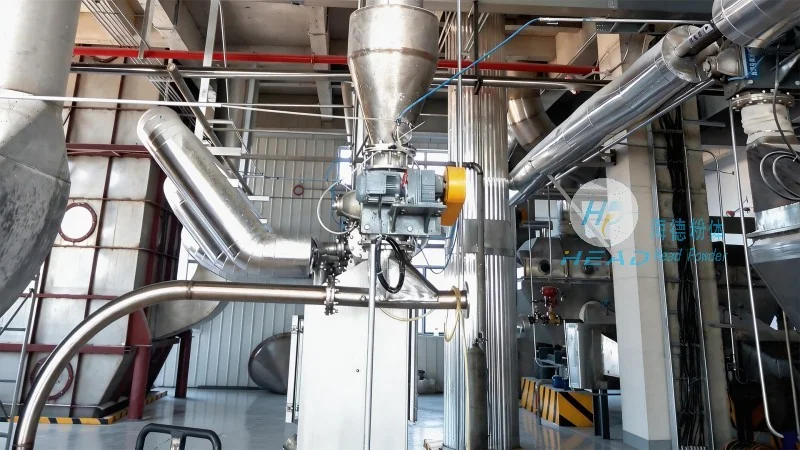
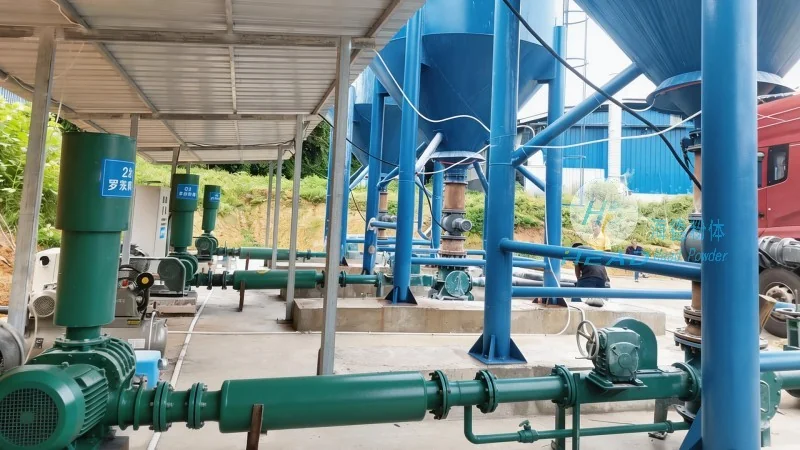
The Core Principle of Gypsum Granule Pneumatic Conveying
The pneumatic conveying of gypsum granules relies on the principle of transporting bulk materials through a pipeline using a pressurized or vacuum air stream. In a typical system, the gypsum granules are introduced into a hopper or feeder, where they are then drawn or pushed into the conveying line by the air flow. The system utilizes a combination of pressure differentials and air velocity to ensure the granules are suspended and transported efficiently. The design of the conveying line, including the choice of pipeline diameter, air velocity, and pressure, is critical to achieving optimal performance and minimizing material degradation. HeadPowder's engineers employ advanced computational fluid dynamics (CFD) and material flow analysis to optimize these parameters, ensuring that the system operates with high efficiency and low energy consumption.
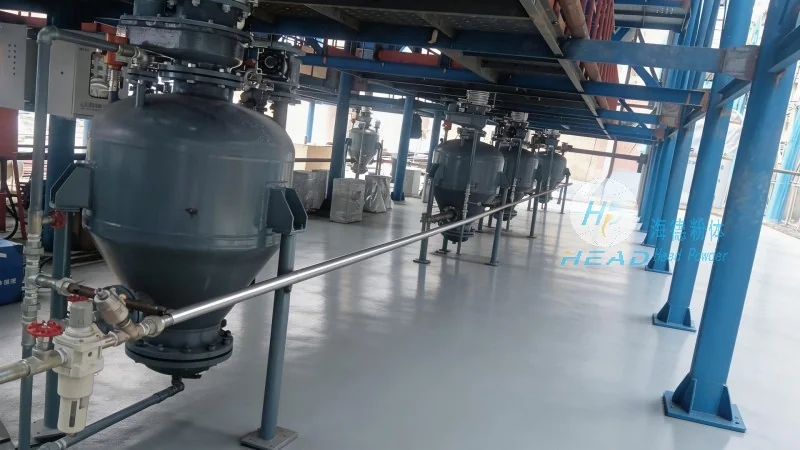
Key Working Scene Characteristics
The operational environment of gypsum granule pneumatic conveying systems is characterized by several distinct features that influence system design and performance. Firstly, the material properties of gypsum granules, such as their particle size distribution, density, and moisture content, play a crucial role in determining the optimal conveying velocity and pressure. For instance, finer granules may require higher air velocities to maintain suspension, while larger particles may need higher pressure to overcome friction and gravity. Secondly, the system's layout and the distance over which the material is conveyed are critical factors. Long-distance conveying often necessitates the use of booster pumps or pressure vessels to maintain sufficient pressure throughout the pipeline. Thirdly, the system's integration with other processing equipment, such as storage silos, mixers, or packaging units, is essential for a seamless workflow. HeadPowder's systems are designed to integrate seamlessly with existing infrastructure, ensuring smooth material transfer from the source to the destination.
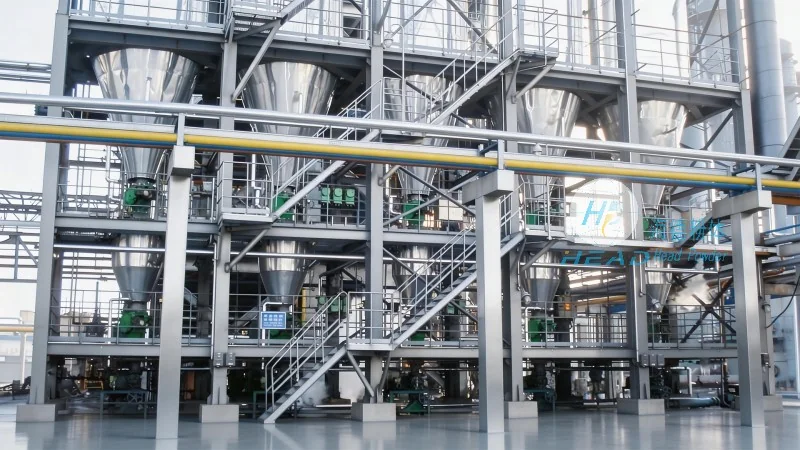
Advantages and Applications
Gypsum granule pneumatic conveying systems offer several advantages over traditional mechanical conveying methods. These include reduced labor costs, as the system operates automatically with minimal human intervention; improved material quality, as the conveying process minimizes material handling and reduces the risk of contamination or degradation; and enhanced safety, as the enclosed system prevents dust emissions and protects workers from exposure to gypsum dust. The applications of these systems are widespread across the construction, building materials, and industrial sectors. For example, in the production of gypsum board, the granules are conveyed from storage silos to mixing and processing units, where they are combined with other raw materials to form the final product. In the mining and quarrying industry, the systems are used to transport gypsum from the extraction site to processing facilities or storage areas. HeadPowder's systems are tailored to meet the specific needs of each application, ensuring that the material is conveyed efficiently and reliably.




