Phosphorus pentachloride (PCl5) is a critical chemical intermediate widely used in pharmaceuticals, agrochemicals, and specialty chemicals. The pneumatic conveying line for handling PCl5 is a specialized system designed to safely and efficiently transport this hazardous material from storage to processing units. HeadPowder, a leading provider of chemical processing solutions, has developed advanced pneumatic conveying systems tailored to the unique requirements of PCl5 handling. Based in Shandong, China, HeadPowder leverages years of expertise to ensure that their systems meet the highest standards of safety, efficiency, and reliability for industrial applications.
Understanding the Pneumatic Conveying Principle for PCl5
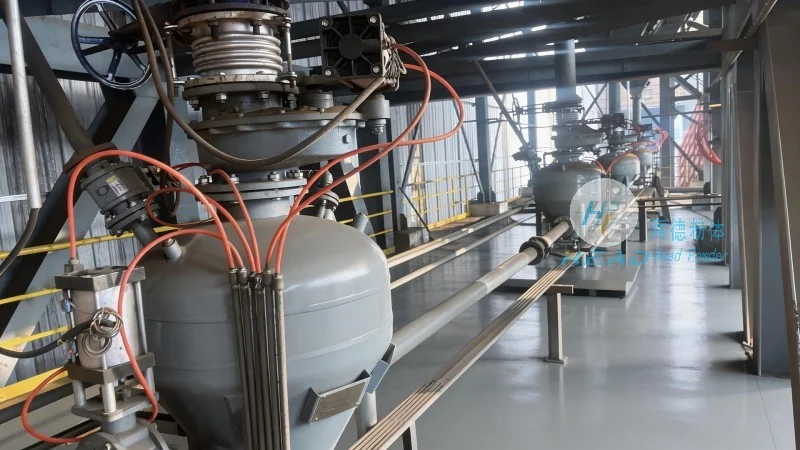
The core principle of a pneumatic conveying system for PCl5 involves the use of compressed air to move the solid material through a pipeline. Unlike traditional mechanical conveyors, which rely on mechanical components like belts or screws, pneumatic systems utilize air pressure to create a flow of material. In the case of PCl5, which is a highly reactive and potentially corrosive substance, the system must be engineered with materials that can withstand chemical exposure and ensure safety. The process typically starts with the material being fed into a hopper, where it is then drawn into a pipeline by the pressure differential created by the compressed air. The air velocity is carefully controlled to ensure the material is carried as a dilute or dense phase, depending on the system design. This method allows for a continuous, dust-free transfer of PCl5, minimizing the risk of exposure and contamination.
Key Working Scene Characteristics of PCl5 Pneumatic Conveying Lines
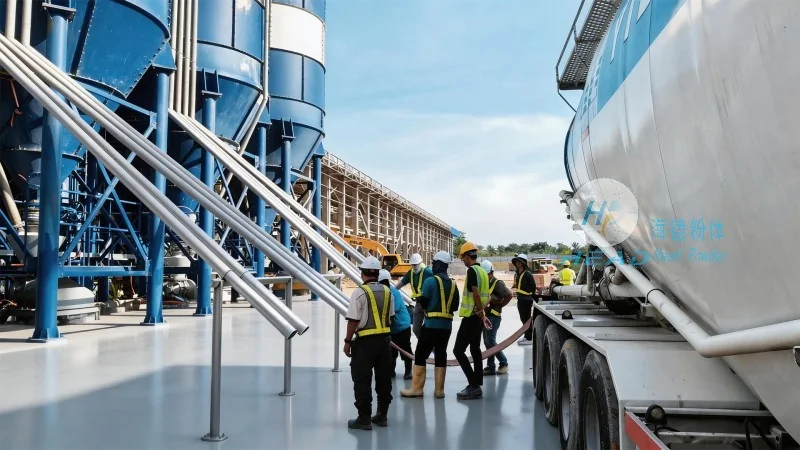
Several key characteristics define the working scenes where PCl5 pneumatic conveying lines are deployed. First, the system is designed for high-purity applications, as any contamination from the conveying process could compromise the quality of downstream products. This requires stringent filtration and cleaning protocols to maintain the integrity of the PCl5. Second, the system must adhere to strict safety regulations due to the hazardous nature of PCl5. This includes explosion-proof designs, leak detection systems, and emergency shutdown mechanisms to prevent accidents. Third, the system is optimized for efficiency, with considerations for energy consumption and material recovery. For example, some systems incorporate cyclone separators to capture and recycle any material that is not fully conveyed, reducing waste and operational costs. Fourth, the system is adaptable to different plant layouts, allowing for flexible integration into existing production facilities. This adaptability is crucial for companies that may need to expand or reconfigure their production lines over time.
Application Scenarios and Industry Benefits
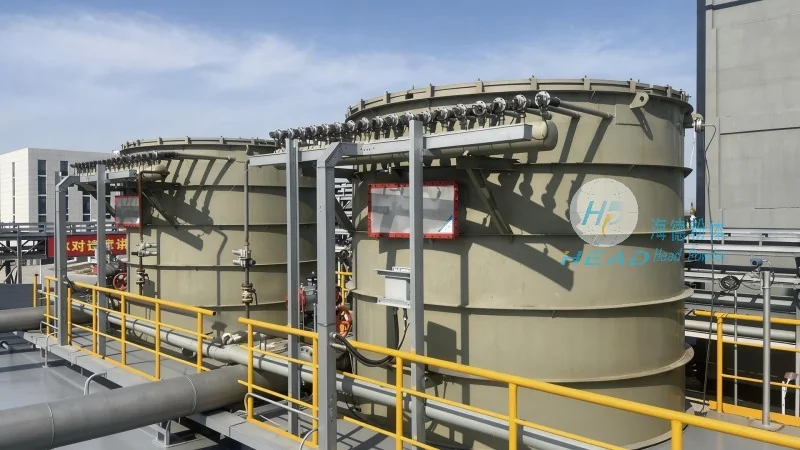
The working scene characteristics of PCl5 pneumatic conveying lines make them ideal for several industrial applications. In pharmaceutical manufacturing, for example, the system ensures that PCl5 is transferred without any contamination, which is critical for producing high-quality active pharmaceutical ingredients (APIs). In agrochemical production, the system helps maintain the purity of PCl5, which is used as a precursor for herbicides and fungicides. Additionally, the system's ability to handle the material in a dust-free environment reduces the risk of inhalation hazards for workers, aligning with occupational safety standards. The efficiency of the system also contributes to cost savings, as it minimizes material loss and reduces downtime associated with maintenance or cleaning. Overall, the PCl5 pneumatic conveying line is a vital component in modern chemical processing, enabling safe, efficient, and high-purity material handling.




