Automatic weighing pneumatic conveying systems represent a sophisticated solution for material handling in various industrial applications. These systems integrate advanced automation and precise measurement technologies to ensure efficient and accurate material transport. The following sections detail the operation process and working principles of such systems, highlighting key components and their functional roles.
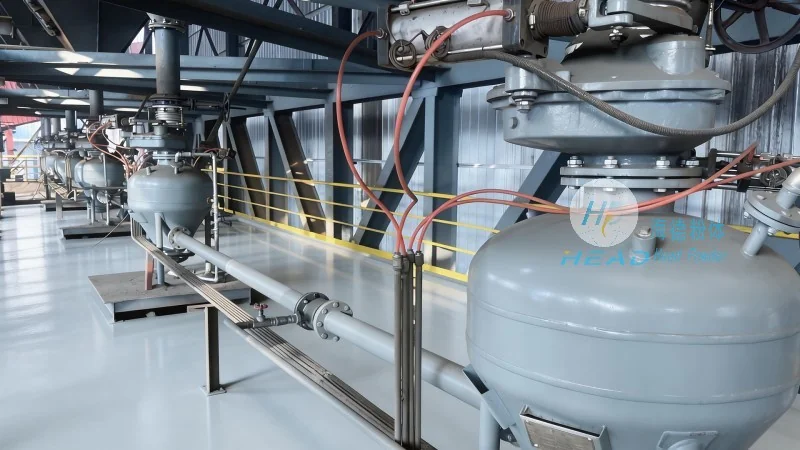
System Overview and Core Components
The automatic weighing pneumatic conveying system typically consists of several critical components that work in tandem to achieve seamless material handling. These include the feeding device, which introduces bulk materials into the system; the conveying pipeline network that transports the material; the weighing sensor or scale that monitors the material mass in real-time; and the control unit that manages the entire operation based on set parameters. Additionally, auxiliary components such as air compressors, dust filters, and discharge valves may be integrated to enhance system performance and safety.
Operation Process: Step-by-Step Execution
The operation of an automatic weighing pneumatic conveying system follows a systematic sequence, ensuring consistent and reliable material transport. The process begins with the initiation of the feeding mechanism, where bulk materials are drawn from a storage hopper or silo and introduced into the conveying pipeline. Simultaneously, the system activates the air compressor, which generates the necessary airflow to move the material through the pipeline. As the material travels, the weighing sensor continuously measures the mass of material in the weighing chamber or hopper, providing real-time data to the control unit.
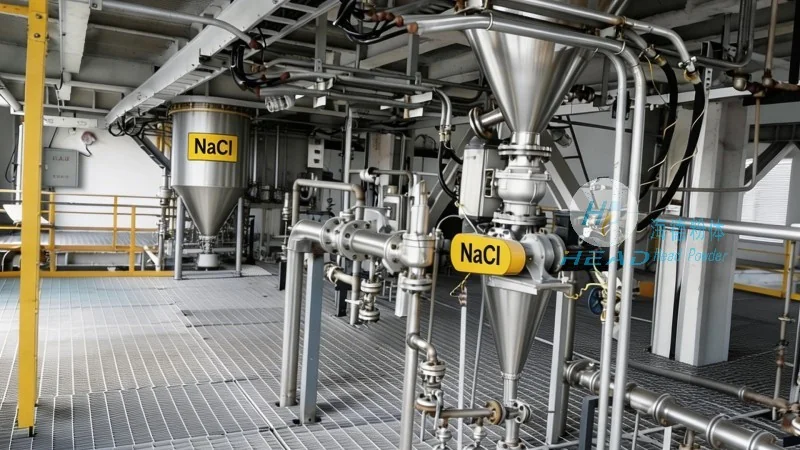
During the conveying phase, the control unit adjusts the airflow and feeding rate based on the weight feedback from the sensor. This closed-loop control ensures that the material is conveyed at a stable and optimal rate, preventing overloading or underloading of the system. When the target weight is reached or a predefined time interval elapses, the control unit triggers the discharge mechanism, which releases the material into the receiving container or processing unit. The system then resets and prepares for the next cycle, maintaining continuous operation with minimal human intervention.
Working Principle: Combining Pneumatic Conveying and Weighing Technology
The working principle of automatic weighing pneumatic conveying systems leverages the physics of fluid dynamics and precision measurement. Pneumatic conveying relies on the movement of material particles suspended in a stream of air, which can be achieved through either positive pressure (where air is forced into the pipeline) or negative pressure (where air is drawn out, creating a vacuum). In the case of positive pressure systems, a blower or compressor supplies compressed air to the pipeline, creating a pressure differential that propels the material forward. The material particles are entrained by the air stream and transported through the pipeline network.
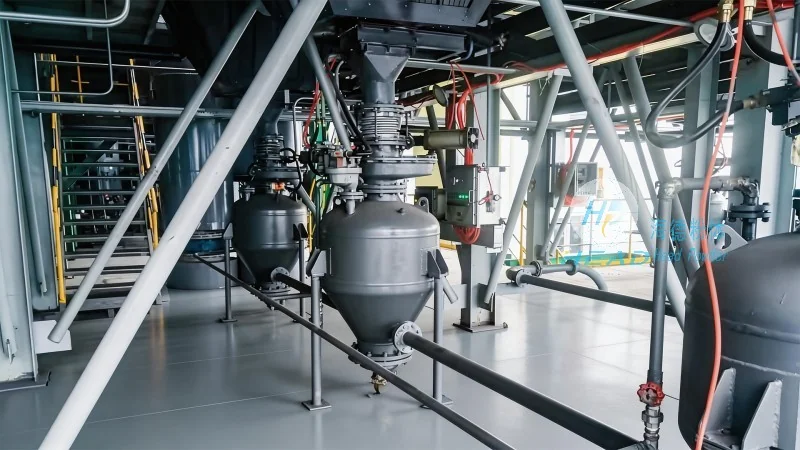
Simultaneously, the weighing system operates on the principle of load cell technology. The weighing sensor, often a strain gauge-based load cell, detects the force exerted by the material on the weighing platform or hopper. As the material accumulates, the load cell converts the mechanical force into an electrical signal, which is then processed by the control unit to calculate the material mass. This real-time weight feedback allows the system to adjust the feeding and conveying rates dynamically, ensuring precise control over the material flow.
Key Technical Advantages and Applications
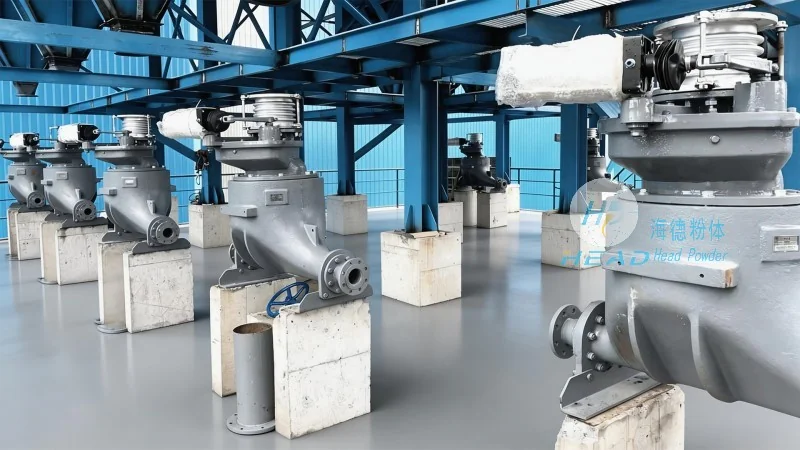
Automatic weighing pneumatic conveying systems offer several technical advantages that make them suitable for demanding industrial environments. These include high automation levels, which reduce labor requirements and improve operational efficiency; precise weight measurement, which ensures accurate dosing and inventory management; and flexible conveying capabilities, allowing for the transport of various materials, including powders, granules, and bulk solids. The systems are also designed for durability and reliability, with robust components that can withstand harsh operating conditions.
Companies such as Shandong HeadPowder Engineering Co., Ltd., a leading manufacturer in the field, specialize in developing and supplying these advanced systems. With a focus on innovation and customer-centric solutions, the company integrates cutting-edge technologies to meet the diverse needs of industries such as food processing, pharmaceuticals, chemicals, and mining. The systems are engineered to deliver consistent performance, minimal downtime, and cost-effective material handling solutions, contributing to improved productivity and operational excellence.




