Pneumatic conveying systems utilizing roots blowers are widely employed in various industrial applications for material handling and transportation. These systems offer efficient and reliable solutions for moving bulk materials over short to medium distances. The operation of such systems is centered around the roots blower, a positive displacement blower that generates the necessary air pressure and flow to transport materials through a pipeline network. Understanding the operational process and underlying principles is crucial for optimizing system performance and ensuring smooth material transfer.
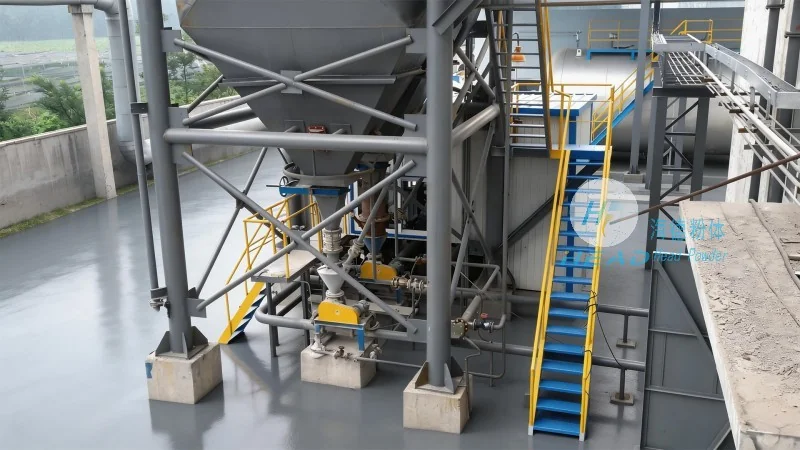
Key Components of a Roots Blower Pneumatic Conveying System
A typical roots blower pneumatic conveying system consists of several critical components that work in tandem to achieve effective material transport. The primary components include the roots blower itself, a hopper or feed device for material loading, a conveying line (pipeline) with appropriate fittings and valves, and a receiver or discharge unit for material unloading. Additionally, auxiliary components such as air filters, moisture separators, and pressure regulators may be integrated to enhance system efficiency and protect equipment from contaminants. Each component plays a vital role in the overall functionality of the system, and proper selection and maintenance are essential for optimal performance.
The Working Principle of Roots Blower Pneumatic Conveying
The roots blower operates on the principle of positive displacement, where two interlocking lobed rotors rotate within a housing, creating a series of sealed cavities. As the rotors turn, these cavities move air or gas from the inlet to the outlet, generating a consistent flow and pressure. In a pneumatic conveying system, the roots blower supplies the compressed air that propels the material through the conveying line. The material is typically introduced into the system via a hopper, where it is drawn into the air stream by the pressure differential created by the blower. The air and material mixture travels through the pipeline, with the roots blower maintaining a continuous flow to ensure uninterrupted transport. The system relies on the pressure generated by the roots blower to overcome friction losses in the pipeline and to lift the material to the desired height or distance.
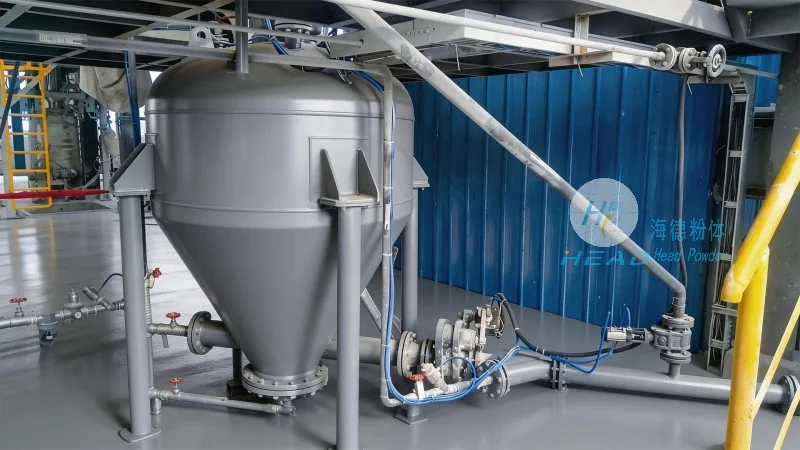
Operation Process of a Roots Blower Pneumatic Conveying System
The operation process of a roots blower pneumatic conveying system involves several sequential steps that ensure efficient material handling. First, the material is loaded into the hopper or feed device. The roots blower then starts and generates the required air pressure, creating a vacuum at the inlet and a high-pressure environment at the outlet. As the material is introduced into the system, it is entrained by the air stream and carried through the conveying line. The system maintains a consistent flow rate by adjusting the blower speed or inlet valve position as needed. The material reaches the receiver or discharge unit, where it is collected and the air is typically filtered and recycled back to the system or vented to the atmosphere. This cycle repeats continuously as long as material is available and the system is operational. Proper control of the system parameters, such as air pressure and flow rate, is essential to prevent material degradation, blockages, or excessive energy consumption.
Factors Influencing System Performance and Efficiency
Several factors influence the performance and efficiency of roots blower pneumatic conveying systems. The type and size of the roots blower, the material properties (such as particle size, density, and moisture content), the pipeline length and diameter, and the system configuration all play significant roles. The roots blower's capacity and pressure rating must be matched to the specific conveying requirements to ensure adequate air flow and pressure. Material properties affect the air-to-material ratio, which determines the system's efficiency and the risk of blockages. Pipeline design, including bends, valves, and fittings, impacts pressure losses and the overall system efficiency. Proper maintenance, including regular cleaning of filters and checking for wear in the roots blower, is crucial to maintain optimal performance and extend the system's lifespan. By considering these factors and optimizing system design, operators can achieve efficient and reliable material transport with minimal operational costs.
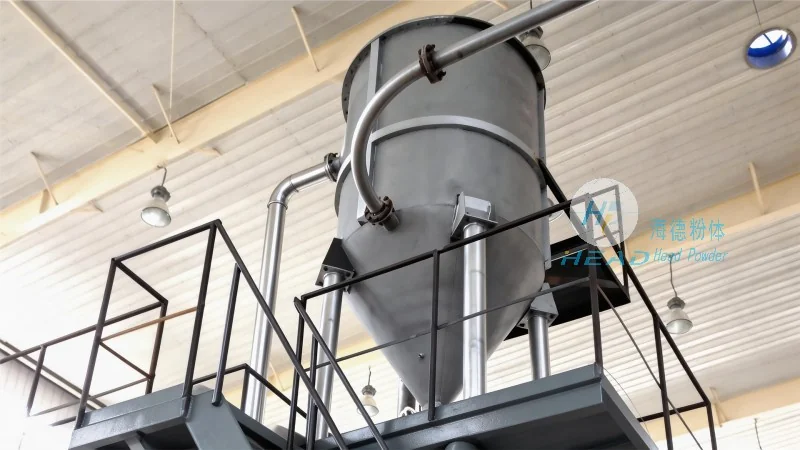
Applications and Benefits of Roots Blower Pneumatic Conveying
Roots blower pneumatic conveying systems are used in a wide range of industrial applications, including food processing, pharmaceuticals, chemicals, and minerals. These systems offer several advantages over traditional mechanical conveying methods, such as reduced material degradation, lower labor costs, and the ability to handle a variety of materials, including powders, granules, and bulk solids. The systems are also suitable for conveying materials over relatively long distances and at elevated heights, making them ideal for applications where gravity or mechanical conveyors are not feasible. Additionally, pneumatic conveying systems are relatively compact and can be integrated into existing facilities with minimal modifications. The benefits of using roots blower systems include improved safety (as materials are contained within the pipeline), reduced dust emissions (compared to open systems), and the ability to handle materials with varying properties. Overall, roots blower pneumatic conveying provides a versatile and efficient solution for material handling in various industrial sectors.
Conclusion and Recommendations
In conclusion, roots blower pneumatic conveying systems are a reliable and efficient method for material handling and transportation in industrial applications. The operation process involves the coordinated action of the roots blower, material feed, and conveying line, with the system's performance influenced by various factors such as material properties and system design. Proper selection, installation, and maintenance of the roots blower and associated components are essential for achieving optimal performance and minimizing operational costs. For industries seeking to improve material handling efficiency and reduce costs, roots blower pneumatic conveying systems offer a viable solution. As technology advances, ongoing research and development continue to enhance the capabilities of these systems, ensuring their continued relevance in modern industrial operations. By understanding the operational principles and optimizing system parameters, operators can maximize the benefits of roots blower pneumatic conveying and achieve efficient, cost-effective material transport.




