Intelligent pneumatic conveying systems represent a sophisticated technology used for the efficient transport of bulk materials. These systems are designed to handle a wide range of materials, from fine powders to granular solids, with precision and reliability. The technology integrates advanced control mechanisms and monitoring systems to optimize performance, ensuring minimal material loss and consistent flow rates. As a key component in modern material handling, intelligent pneumatic conveying offers significant advantages over traditional methods, such as reduced labor costs and enhanced safety.
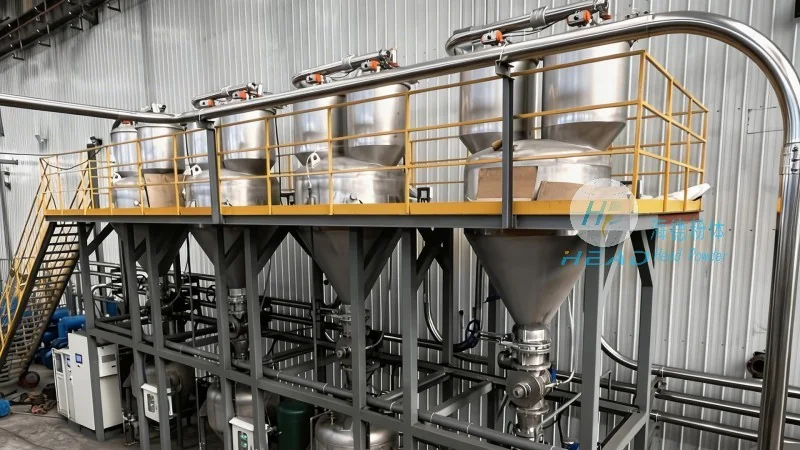
Key Components of Intelligent Pneumatic Conveying Systems
At the core of intelligent pneumatic conveying systems are several critical components that work in concert to achieve efficient material transport. These include the air compressor, which generates the necessary pressure to move materials; the hopper or feed hopper, where materials are stored and fed into the system; the conveying line, which consists of pipes or ducts that carry the material and air mixture; and the control unit, which manages the entire operation through real-time monitoring and adjustments. Additionally, sensors and actuators are integrated to provide feedback on system performance, allowing for dynamic adjustments based on operational conditions.
The Operation Process of Intelligent Pneumatic Conveying
The operation process of intelligent pneumatic conveying begins with the loading of materials into the feed hopper. The control unit then activates the air compressor, which generates a high-pressure air stream. This air stream is directed into the conveying line, creating a vacuum or pressure differential that pulls the material from the hopper into the pipe. As the material travels through the system, it is mixed with the air, forming a slurry-like flow. The system's intelligent control mechanisms continuously monitor parameters such as pressure, flow rate, and material level, adjusting the air pressure and flow as needed to maintain optimal transport conditions. Upon reaching the destination, the material is discharged into a collection bin or processing unit, while the air is filtered and recycled back into the system.
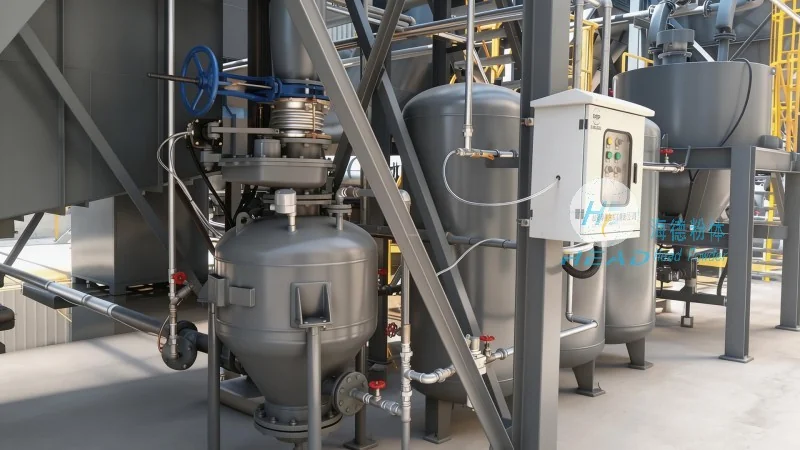
Working Principle of Intelligent Pneumatic Conveying
The working principle of intelligent pneumatic conveying relies on the fundamental physics of fluid dynamics and particle transport. The system operates by creating a pressure difference between the inlet and outlet of the conveying line. When the air compressor supplies high-pressure air, it creates a high-pressure zone at the inlet, while the outlet is maintained at a lower pressure (often atmospheric or slightly negative). This pressure differential generates a flow of air and material through the system. The intelligent control system ensures that the pressure difference is maintained at an optimal level, preventing material blockages or excessive air consumption. Furthermore, the system uses sensors to detect any changes in material flow or pressure, allowing for immediate adjustments to maintain consistent performance. This dynamic control ensures that the system operates efficiently under varying load conditions and material types.
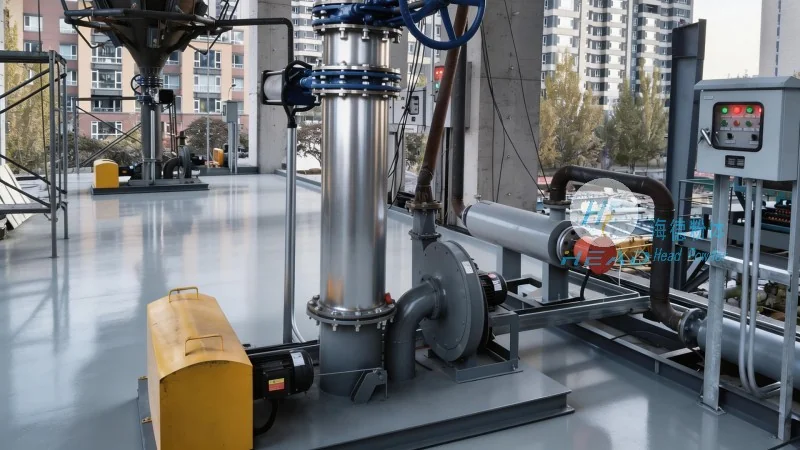
Advantages of Intelligent Pneumatic Conveying
Intelligent pneumatic conveying systems offer several advantages over traditional material handling methods. These include improved material handling efficiency, as the system can transport materials over long distances with minimal loss. The technology also enhances safety by reducing the need for manual handling of bulk materials, minimizing the risk of accidents and exposure to dust. Additionally, the intelligent control features allow for real-time monitoring and data logging, enabling operators to identify and address issues promptly. This leads to increased productivity and reduced downtime. The systems are also flexible, capable of handling a wide range of materials, from fine powders to granular solids, without the need for extensive modifications.
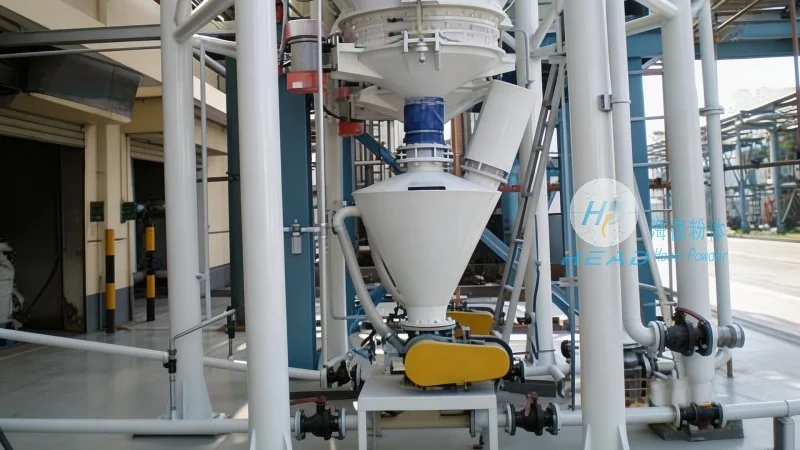
Applications of Intelligent Pneumatic Conveying
Intelligent pneumatic conveying systems are widely used in various industries, including pharmaceuticals, food processing, chemical manufacturing, and mining. In the pharmaceutical industry, these systems are used to transport sensitive powders, ensuring contamination-free handling. In food processing, they are employed to move ingredients and finished products, maintaining hygiene standards. The chemical industry utilizes these systems for transporting hazardous materials, while the mining sector applies them for transporting ore and other bulk materials. The adaptability of intelligent pneumatic conveying makes it suitable for diverse applications, from small-scale operations to large industrial facilities.
Company Profile: Shandong HeadPowder Engineering Co., Ltd.
Shandong HeadPowder Engineering Co., Ltd., operating under the brand name headpowder, is a leading manufacturer of intelligent pneumatic conveying systems. The company is headquartered in Shandong, China, and specializes in designing, manufacturing, and supplying advanced material handling solutions. With a focus on innovation and quality, headpowder has developed a range of intelligent pneumatic conveying systems tailored to meet the specific needs of various industries. The company's products are known for their reliability, efficiency, and user-friendly control systems, making them a preferred choice for businesses seeking to optimize their material handling processes. headpowder's commitment to research and development ensures that its products remain at the forefront of technological advancements in the field.




