Understanding the operation process and working principle of stone powder pneumatic conveying is crucial for optimizing material handling in industrial applications. This article provides a detailed overview of the system's functionality, focusing on the key components and the sequential steps involved in transporting stone powder efficiently and reliably, as developed by Shandong HeadPowder Engineering Co., Ltd. (headpowder).
Overview of Pneumatic Conveying Systems
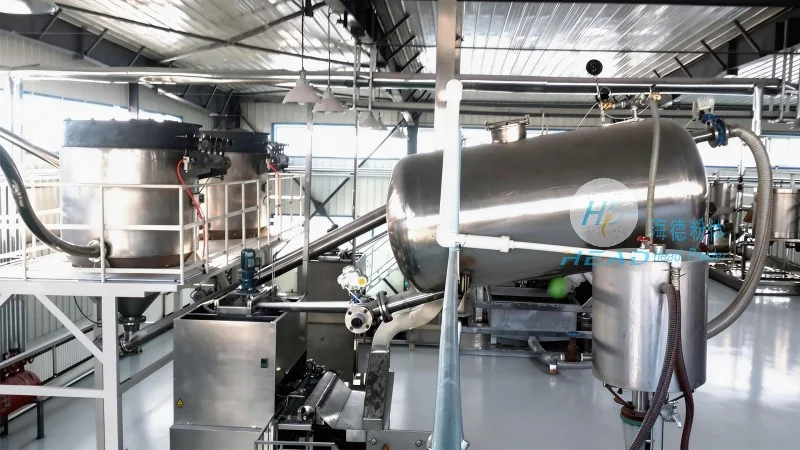
Pneumatic conveying systems are widely used in industries that handle dry bulk materials, such as stone powder, due to their ability to transport materials without mechanical contact. These systems utilize air or gas as the conveying medium to move particles from one location to another. The process involves several key components, including a hopper, a conveyor line, a dust collector, and a control system, all working in tandem to ensure smooth material transfer.
Key Components and Their Functions
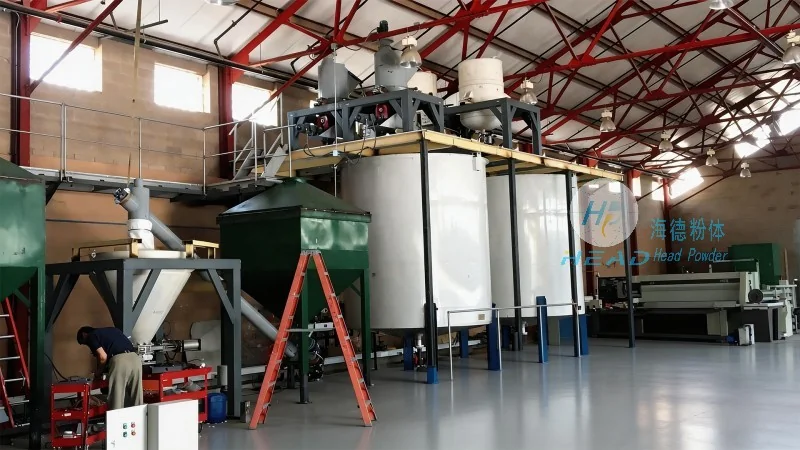
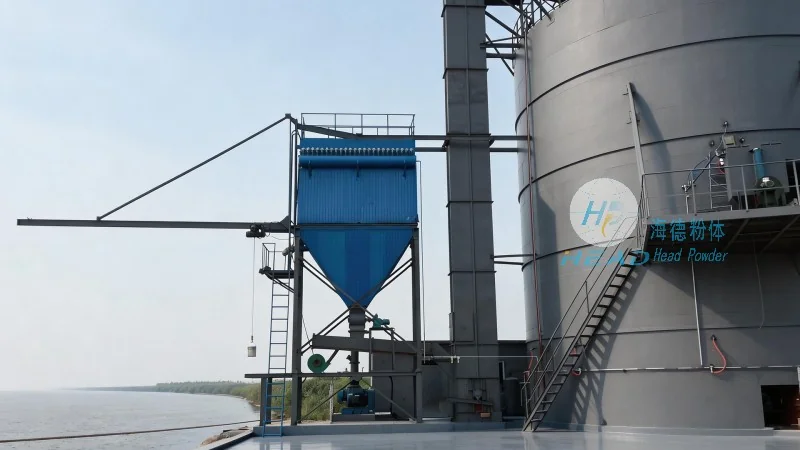
Each component of a pneumatic conveying system plays a vital role in the overall operation. The hopper serves as the storage and feeding unit, where stone powder is loaded and prepared for transport. The conveyor line, typically made of flexible or rigid tubing, carries the material through the system. The dust collector is essential for maintaining air quality and preventing dust accumulation, while the control system manages the flow of air and material to optimize performance.
The Operation Process of Stone Powder Pneumatic Conveying
The operation process of stone powder pneumatic conveying involves several sequential steps. First, the stone powder is fed into the hopper from a storage silo or bulk container. The material is then discharged into the conveyor line under the influence of air pressure. As the air flows through the system, it lifts and transports the powder particles along the pipeline. The velocity of the air is carefully controlled to ensure that the particles remain suspended and do not settle prematurely. The conveying line may include bends, expansions, or other features that require adjustments in air pressure and flow rate to maintain efficient transport.
Working Principle of Pneumatic Conveying
The working principle of pneumatic conveying is based on the interaction between the conveying medium (air) and the solid particles (stone powder). When air is introduced into the system, it creates a pressure differential that moves the particles along the pipeline. The air velocity must be sufficient to overcome the gravitational force acting on the particles and to maintain their suspension. This principle allows for the efficient and continuous transport of stone powder over long distances, with minimal material degradation or loss.
Advantages of Pneumatic Conveying for Stone Powder
Using pneumatic conveying for stone powder offers several advantages over traditional mechanical systems. These include reduced equipment wear and tear, as there is no direct contact between the material and the conveyor components. Additionally, the system can handle a wide range of particle sizes and moisture contents, making it versatile for various industrial applications. The ability to transport materials in a closed system also helps in maintaining product quality and preventing contamination.
Applications in Industrial Settings
Pneumatic conveying systems are commonly used in industries such as mining, construction, and manufacturing, where stone powder is a key raw material. These systems are particularly useful in applications that require precise control over material flow, such as in the production of cement, concrete, or other building materials. The flexibility of pneumatic conveying allows for integration into existing production lines, enhancing overall operational efficiency.
Conclusion
In conclusion, the operation process and working principle of stone powder pneumatic conveying are critical for effective material handling in industrial settings. By understanding the key components and sequential steps involved, industries can optimize their material transport processes, improve efficiency, and reduce operational costs. The technology offers numerous advantages, including reduced wear, versatility, and the ability to maintain product quality, making it a preferred choice for handling stone powder in various applications.




