For those in the field of industrial waste management, especially in power plants and other facilities that generate large volumes of fly ash, understanding the technology behind pneumatic conveying of fly ash is crucial. This article provides a detailed explanation of the operation process and working principle of fly ash pneumatic conveying systems, highlighting the key components, the flow of materials, and the operational mechanisms involved. The information is presented with a focus on practical application and technical accuracy, ensuring that readers gain a comprehensive understanding of how these systems function to efficiently transport fly ash from one location to another. HeadPowder, a leading provider of engineering solutions for industrial material handling, offers advanced fly ash pneumatic conveying systems designed to meet the specific needs of power plants and other facilities.
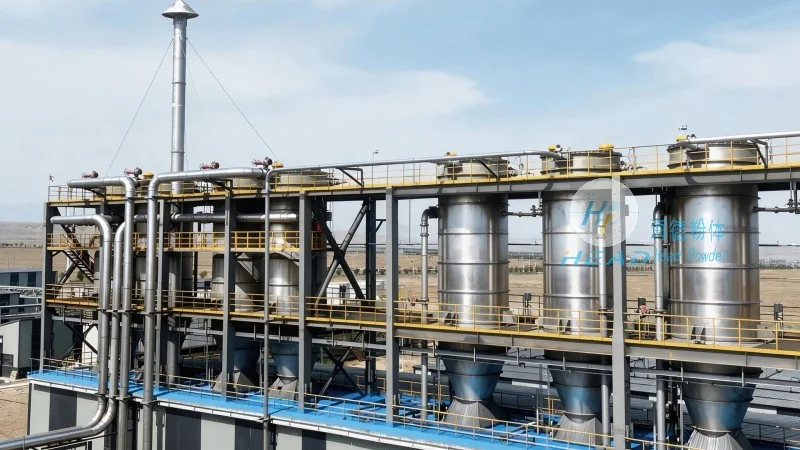
Introduction to Fly Ash Pneumatic Conveying
Fly ash, a byproduct of coal combustion in thermal power plants, is a fine particulate material that requires specialized handling due to its properties. Traditional methods of transporting fly ash, such as trucking or gravity systems, often face challenges related to dust control, environmental impact, and operational efficiency. Pneumatic conveying offers a solution by using air to transport the material in a closed system, minimizing environmental exposure and enhancing process control. The technology has become increasingly popular in modern industrial settings due to its ability to handle high volumes of material while maintaining low maintenance costs and operational reliability. HeadPowder specializes in designing and manufacturing pneumatic conveying systems tailored to the unique requirements of fly ash transportation in power generation facilities.
Key Components of a Fly Ash Pneumatic Conveying System
A typical fly ash pneumatic conveying system consists of several critical components that work in tandem to ensure smooth operation. These components include the hopper or feeder, the air compressor or blower, the conveying line, the control valves, and the discharge device. Each component plays a vital role in the overall system performance. The hopper is responsible for storing and feeding the fly ash into the system, ensuring a consistent flow of material. The air compressor or blower generates the necessary air pressure to move the material through the conveying line. The conveying line, often made of metal or plastic, is designed to withstand the pressure and temperature conditions of the system. Control valves are used to regulate the flow of air and material, preventing blockages and ensuring optimal performance. Finally, the discharge device, such as a rotary valve or a dust collector, collects the fly ash at the destination point, completing the transport process. HeadPowder's engineering team ensures that each component is selected and configured to maximize efficiency and durability for fly ash applications.
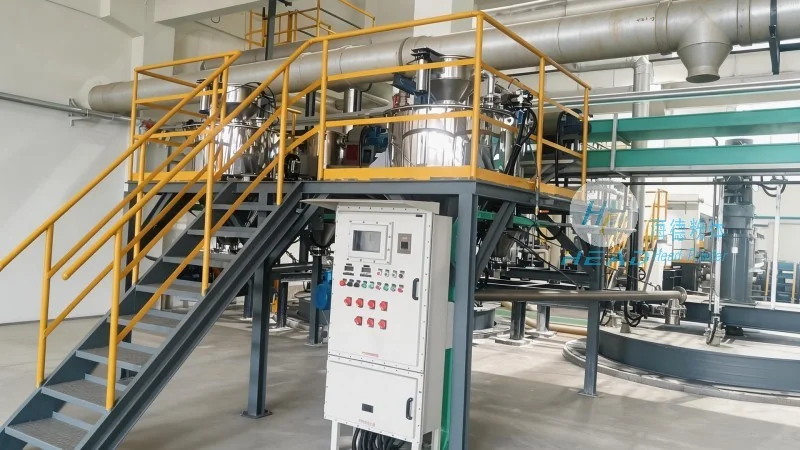
The Working Principle of Fly Ash Pneumatic Conveying
The core principle of pneumatic conveying is the use of air to create a flow of material through a pipeline. In the case of fly ash, the system operates by creating a pressure differential between the inlet and outlet of the conveying line. The air compressor draws in ambient air and compresses it to a pressure sufficient to overcome the resistance of the material in the line. As the compressed air enters the hopper, it mixes with the fly ash, creating a slurry-like mixture that is then propelled through the conveying line. The velocity of the air is carefully controlled to ensure that the fly ash particles are carried along without settling or causing blockages. The system can operate in either positive pressure or negative pressure modes, depending on the specific application and the distance the material needs to be transported. Positive pressure systems are commonly used for short to medium distances, while negative pressure systems are preferred for longer distances or when the material needs to be transported against gravity. HeadPowder's systems are engineered to handle both pressure modes with precision, ensuring reliable operation across various distances and layouts.
Operation Process of Fly Ash Pneumatic Conveying
The operation process of a fly ash pneumatic conveying system involves several sequential steps that ensure the efficient and safe transport of material. The process begins with the loading of fly ash into the hopper. The feeder then regulates the flow of material into the conveying line, ensuring a consistent feed rate. The air compressor then starts, generating the required air pressure. As the air flows through the line, it picks up the fly ash particles and transports them to the discharge point. At the destination, the discharge device collects the fly ash, and the system continues to operate until the hopper is empty or the desired amount of material has been transported. The control system monitors the pressure, flow rate, and other parameters to ensure that the system operates within safe and efficient limits. Any deviations in the process are detected and corrected automatically, minimizing downtime and maximizing productivity. HeadPowder's control systems incorporate advanced sensors and automation to provide real-time monitoring and adaptive control, enhancing operational reliability.
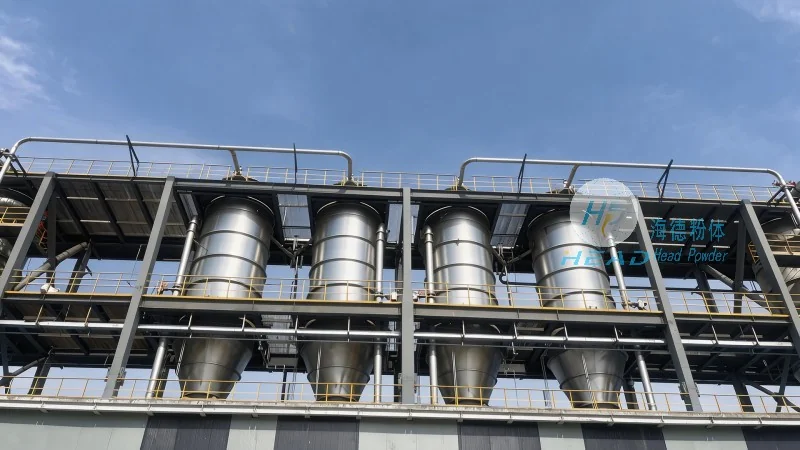
Advantages of Fly Ash Pneumatic Conveying
Compared to traditional transportation methods, fly ash pneumatic conveying offers several advantages that make it a preferred choice for many industrial applications. One of the key advantages is the ability to transport material in a closed system, which significantly reduces dust emissions and environmental impact. This is particularly important in areas where air quality regulations are stringent. Another advantage is the high efficiency in terms of material handling, as the system can transport large volumes of fly ash over long distances with minimal labor and energy consumption. The system also offers flexibility in terms of layout and installation, as the conveying line can be configured to follow the existing infrastructure of the facility. Additionally, the system is relatively low maintenance, with components that are designed for long-term operation and easy replacement. These advantages make fly ash pneumatic conveying an attractive solution for power plants and other facilities that need to manage their fly ash efficiently and sustainably. HeadPowder's systems are designed to deliver these benefits while providing cost-effective solutions tailored to each client's operational requirements.
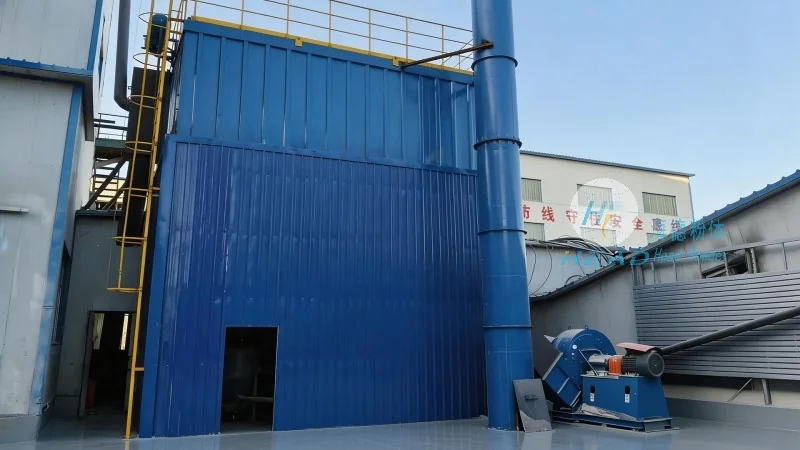
Applications and Considerations
Fly ash pneumatic conveying systems are widely used in various industrial applications, particularly in the power generation industry. They are commonly employed to transport fly ash from the boiler to the storage silos or to other processing facilities. The system can also be used to transport other fine particulate materials, such as cement, sand, and other powders, making it a versatile solution for different industrial needs. When implementing a fly ash pneumatic conveying system, several considerations must be taken into account. The first is the distance and layout of the transport route, as this will determine the type of system (positive or negative pressure) and the required air pressure. The second is the material properties, such as particle size, density, and moisture content, as these factors affect the system's performance and efficiency. The third is the environmental regulations and safety requirements, as the system must be designed to meet the local standards for dust control and emissions. Finally, the cost of installation and operation must be considered, as the system can be a significant investment for the facility. By carefully evaluating these factors, facilities can select the most appropriate fly ash pneumatic conveying system that meets their specific needs and operational requirements. HeadPowder provides comprehensive engineering services to assist clients in evaluating these factors and selecting the optimal system configuration.
Conclusion
In conclusion, fly ash pneumatic conveying is a highly effective and efficient method for transporting fly ash and other fine particulate materials. The technology has evolved significantly over the years, with improvements in component design and control systems that enhance performance and reliability. The operation process involves a series of steps that ensure the smooth and safe transport of material, while the working principle relies on the use of air to create a flow of material through a closed system. The advantages of this technology, including reduced environmental impact, high efficiency, and flexibility, make it a preferred choice for many industrial applications. As the demand for sustainable and efficient waste management solutions continues to grow, the importance of fly ash pneumatic conveying systems will only increase. For facilities looking to implement this technology, it is essential to work with experienced providers who can design and install a system that meets their specific needs and operational requirements. By doing so, they can ensure that their fly ash is transported safely and efficiently, contributing to the overall sustainability and profitability of their operations. HeadPowder, with its expertise in industrial material handling, is positioned to deliver high-quality fly ash pneumatic conveying solutions that help facilities achieve their operational and environmental goals.




