HeadPowder, a leading provider in the field, specializes in the design, manufacturing, and implementation of efficient pneumatic conveying solutions for coal and sand applications. With a strong presence in Shandong, China, the company has established itself as a trusted partner for industries requiring reliable material handling systems.
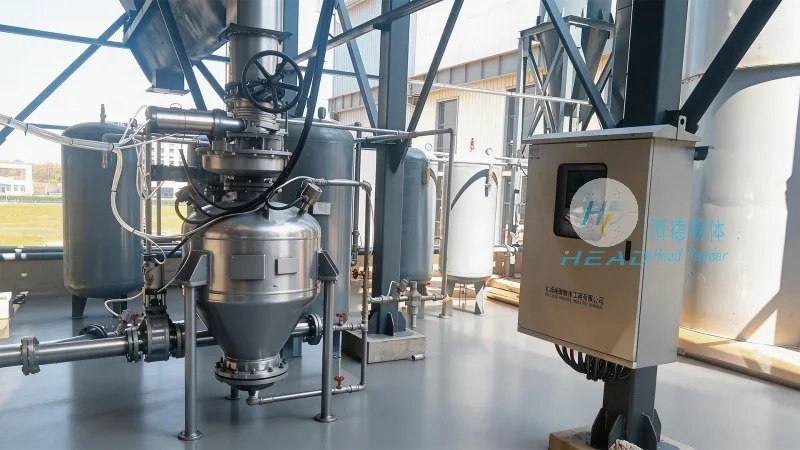
The Operational Process of Coal and Sand Pneumatic Conveying
At the core of coal and sand pneumatic conveying is a system that uses air pressure to transport bulk materials. The process begins with the material being fed into a hopper or feeder, where it is then introduced into a pipeline. Compressed air is then introduced into the system, creating a flow that propels the material through the pipeline. The system is designed to handle various particle sizes and densities, ensuring consistent and efficient transport from the source to the destination. This method eliminates the need for mechanical components like belts or buckets, reducing maintenance and operational costs while enhancing safety in material handling.
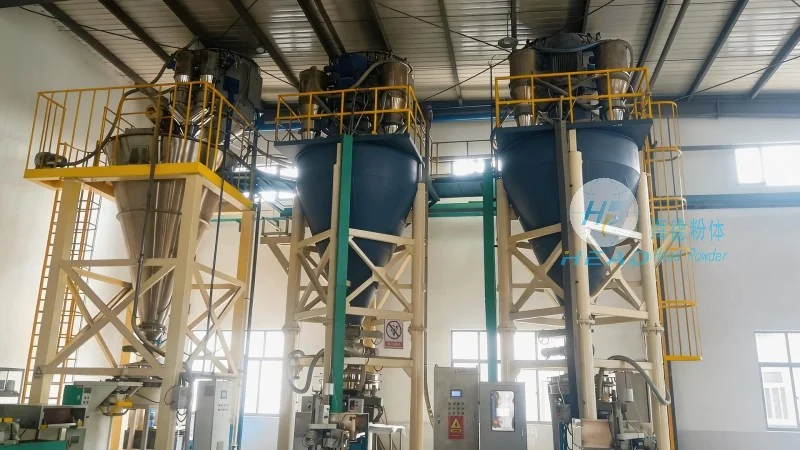
Working Principle of Pneumatic Conveying for Coal and Sand
The working principle involves the use of air as the conveying medium. When compressed air is introduced into the pipeline, it creates a pressure differential that moves the material. The system typically includes components such as a blower, hopper, pipeline, and receiver. The blower provides the necessary air pressure, while the hopper stores the material and the receiver collects the conveyed material at the end of the pipeline. The entire process is controlled to maintain optimal air flow and material transport, minimizing downtime and maximizing efficiency. The technology is particularly effective for handling abrasive or corrosive materials, making it suitable for coal and sand applications where durability and reliability are critical.
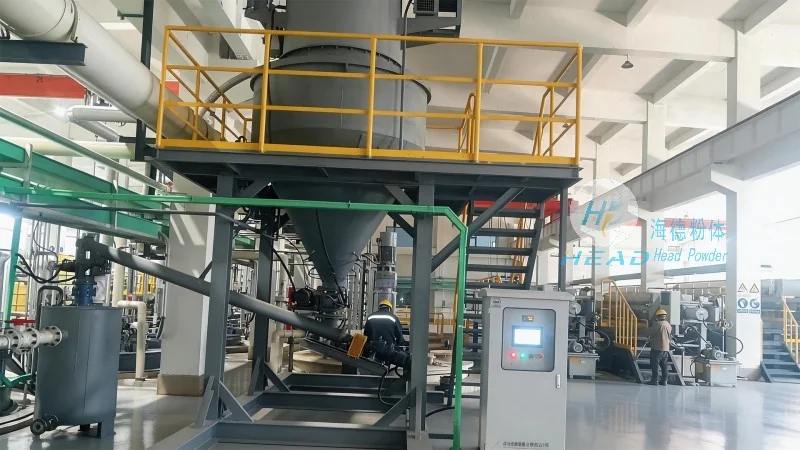
Key Components and Their Roles in the System
Each component of the pneumatic conveying system plays a crucial role in ensuring smooth operation. The blower or air compressor generates the pressure needed to move the material. The hopper or feeder is responsible for storing and feeding the material into the pipeline at a controlled rate. The pipeline itself is designed to withstand the pressure and material flow, with appropriate fittings and valves to control the direction and speed of the conveying process. The receiver or silo collects the material at the end of the pipeline, often equipped with a discharge valve to regulate the release of the material. These components work in tandem to create a seamless and efficient system for transporting coal and sand.
Advantages of Pneumatic Conveying for Coal and Sand Handling
Compared to traditional mechanical conveying methods, pneumatic conveying offers several advantages for coal and sand applications. One of the primary benefits is the reduction in mechanical wear and tear, as there are no moving parts in direct contact with the material. This leads to lower maintenance costs and longer equipment lifespan. Additionally, the system is highly flexible, allowing for changes in material flow rates and pipeline layout without significant modifications. The enclosed pipeline design also helps in controlling dust and preventing environmental contamination, which is essential for compliance with industrial regulations. Furthermore, the ability to handle a wide range of particle sizes and densities makes the system versatile for various industrial needs.
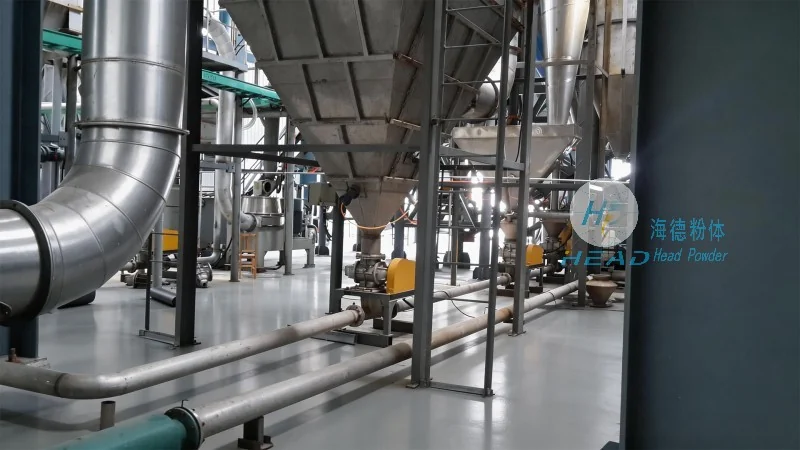
Application Examples and Industry Impact
The applications of coal and sand pneumatic conveying systems span across multiple industries, including mining, power generation, and construction. In the mining sector, these systems are used to transport coal from mines to processing facilities or storage areas. In power plants, they are employed to convey coal to boilers for combustion, ensuring a continuous and efficient fuel supply. The construction industry also benefits from these systems for transporting sand and other bulk materials to job sites. The reliability and efficiency of the system contribute to improved productivity and reduced operational costs in these industries, making it a preferred choice for material handling solutions.




