Positive pressure dilute phase pneumatic conveying systems represent a sophisticated method for transporting bulk materials through a pipeline using pressurized air. This technology is widely utilized across various industries, including food processing, pharmaceuticals, and chemical manufacturing, due to its ability to handle a diverse range of materials while maintaining product integrity and operational efficiency.
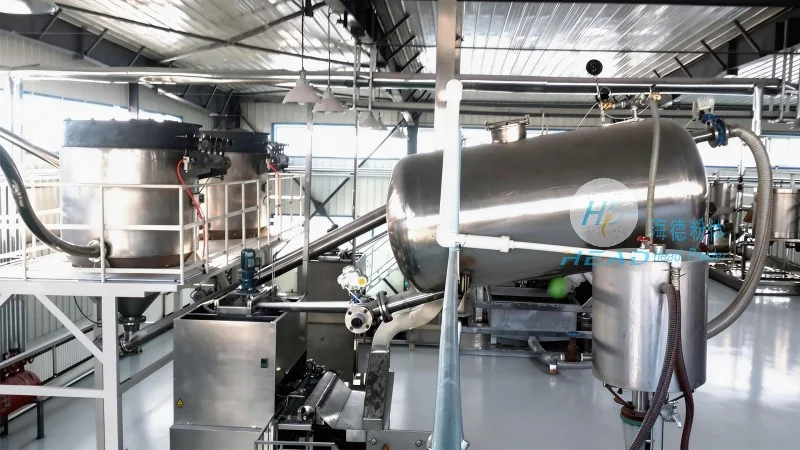
Overview of Positive Pressure Dilute Phase Pneumatic Conveying
At the core of these systems is the principle of transporting material particles suspended in a high-velocity air stream. The system operates under positive pressure, meaning the conveying line is pressurized above atmospheric pressure. This design ensures that material is continuously drawn from the source and propelled through the pipeline without the need for vacuum suction, which is common in other pneumatic conveying methods. The dilute phase nature of the system refers to the relatively low concentration of material in the air stream, typically ranging from 1 to 10% by volume, which minimizes blockages and reduces wear on system components.
Key Components and Their Functions
The successful operation of a positive pressure dilute phase system relies on several critical components, each playing a vital role in the overall process. The primary components include a material feeder, a positive displacement blower or rotary lobe compressor, a conveying pipeline, a separation system (such as a cyclone or filter), and a material receiver. The material feeder, often a screw or rotary valve, introduces the bulk material into the system at a controlled rate, ensuring consistent flow. The positive displacement blower provides the necessary pressure and airflow to move the material through the pipeline. The conveying pipeline, typically made of stainless steel or other corrosion-resistant materials, is designed to withstand the pressure and abrasive nature of the material being transported. The separation system is crucial for removing the material from the air stream, allowing the air to be recirculated or vented, while the material is collected in the receiver.
Working Principle of the System
The operation begins with the material being fed into the system via a feeder, which regulates the flow rate to match the system's capacity. The feeder ensures a steady flow of material, which then mixes with the high-velocity air supplied by the blower. As the material particles become suspended in the air stream, they are carried along the pipeline to the discharge point. The velocity of the air is carefully controlled to maintain the dilute phase, preventing material settling or blockages. Upon reaching the end of the pipeline, the air-material mixture enters the separation system. Here, the air is separated from the material through centrifugal force or filtration, depending on the system design. The separated material is then collected in the receiver, while the air is either filtered to remove any residual particles and then recirculated back to the blower or vented to the atmosphere.
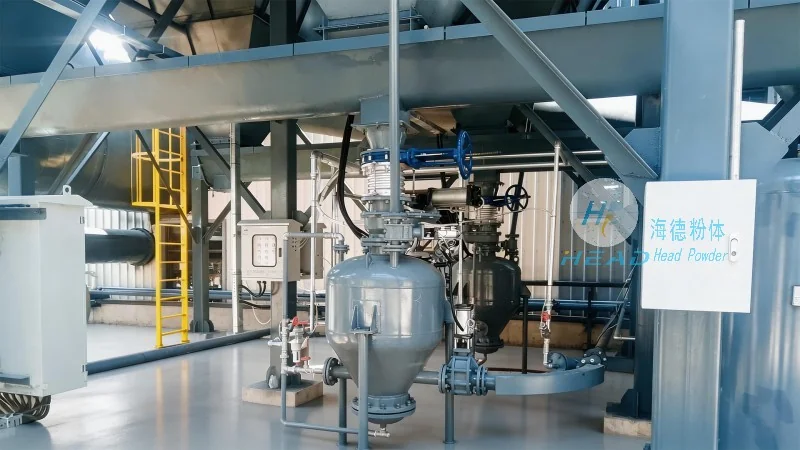
Operation Process Step-by-Step
1. **Material Feeding**: The bulk material is introduced into the system via a feeder, which regulates the flow rate to match the system's capacity. This step ensures that the material is fed continuously and at a consistent rate, preventing overloading or underloading of the system.
2. **Air Supply and Pressurization**: The positive displacement blower generates high-pressure air, typically ranging from 0.5 to 2 bar above atmospheric pressure. This pressurized air is then directed into the conveying pipeline, creating the necessary pressure differential to move the material.
3. **Material Suspension and Conveying**: As the material enters the pipeline, it is suspended in the high-velocity air stream. The air velocity is maintained at a level sufficient to keep the material particles in suspension, ensuring smooth and efficient transport. The pipeline design, including bends and fittings, is optimized to minimize pressure drop and maintain the dilute phase.
4. **Separation and Material Collection**: At the discharge end, the air-material mixture enters a separation device. The separation process effectively removes the material from the air, allowing the air to be recycled or vented. The collected material is then transferred to the receiver, completing the conveying process.
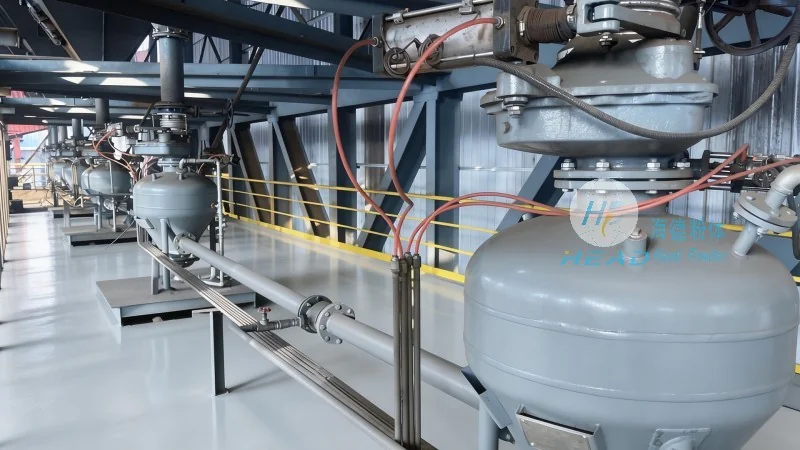
Advantages of Positive Pressure Dilute Phase Systems
Positive pressure dilute phase pneumatic conveying systems offer several advantages over other conveying methods. These include the ability to handle a wide variety of materials, including fine powders and granules, without the need for pre-drying or conditioning. The system is also highly flexible, allowing for changes in material type or flow rate without significant modifications. Additionally, the positive pressure design eliminates the risk of external contamination, as the system is sealed and pressurized. The dilute phase operation reduces wear on components and minimizes the risk of blockages, leading to lower maintenance costs and higher system reliability.
Applications and Industries
These systems are widely used in industries where material handling requires precision, cleanliness, and efficiency. Common applications include the transportation of food products, such as flour, sugar, and spices, in the food processing industry. In the pharmaceutical sector, positive pressure systems are used to convey active pharmaceutical ingredients (APIs) and excipients, ensuring product purity and preventing contamination. The chemical industry also utilizes these systems for transporting powders and granules, such as pigments, catalysts, and chemicals. Other industries, including agriculture and mining, also benefit from the versatility and reliability of positive pressure dilute phase pneumatic conveying.
Conclusion
Positive pressure dilute phase pneumatic conveying systems are a reliable and efficient method for transporting bulk materials. By understanding the working principles and operation process, users can optimize system performance and ensure consistent material handling. The technology continues to evolve, with advancements in component design and control systems enhancing its capabilities. As a leading provider in the industry, Shandong HeadPowder Engineering Co., Ltd. specializes in the design, manufacturing, and installation of these systems, delivering customized solutions tailored to the specific needs of various industries.




