Shandong HeadPowder Engineering Co., Ltd., commonly known as HeadPowder, is a professional enterprise dedicated to the research, development, and application of advanced material handling technologies. With a focus on providing efficient and reliable solutions for the lithium-ion battery industry, the company specializes in pneumatic conveying systems tailored for positive electrode materials. HeadPowder is headquartered in Shandong, China, and has established itself as a key player in the field of material processing and conveying for battery manufacturing.
Understanding Pneumatic Conveying for Lithium-Ion Battery Positive Electrode Materials
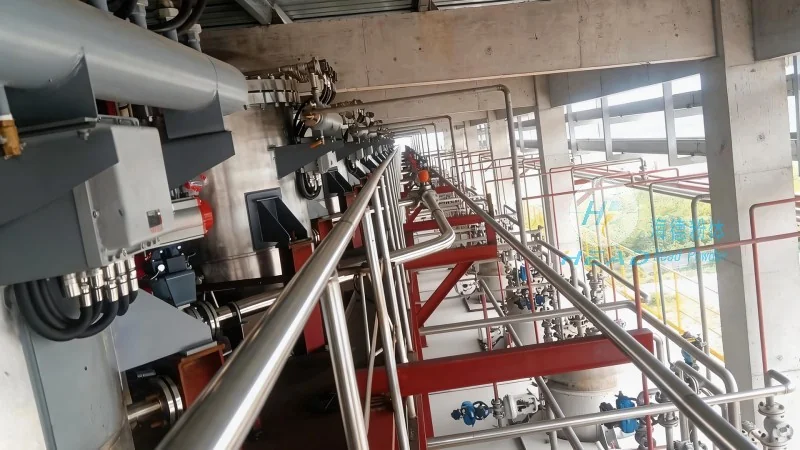
Pneumatic conveying is a critical technology in the lithium-ion battery production line, especially for handling positive electrode materials such as lithium cobalt oxide (LCO), lithium nickel manganese cobalt oxide (NMC), and lithium iron phosphate (LFP). This method involves transporting bulk materials through a pipeline using compressed air or other gas streams. The process typically begins with the material being fed into a hopper or feeder, where it is then drawn into the conveying line by the air flow. The air velocity and pressure are carefully controlled to ensure the material moves smoothly without clogging or degradation. The system includes components like airlocks, cyclones, and filters to manage the material flow and maintain air quality. By utilizing pneumatic conveying, manufacturers can achieve high efficiency, reduce material loss, and improve overall production line stability.
Operation Process of Pneumatic Conveying Systems
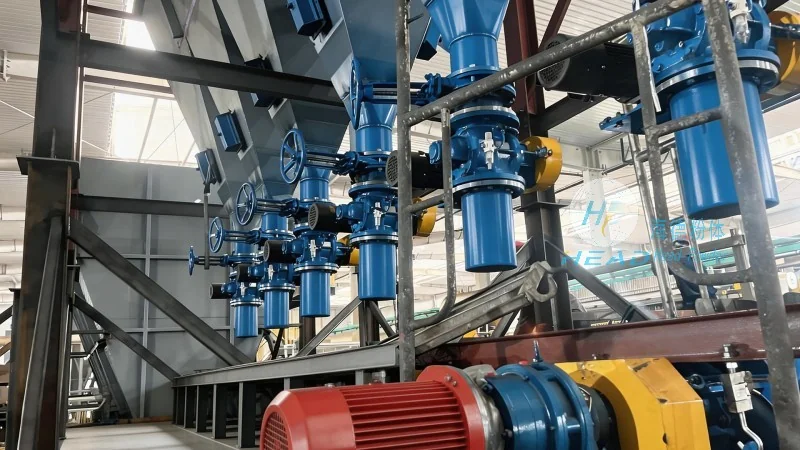
The operation process of a pneumatic conveying system for lithium-ion battery positive electrode materials involves several key steps. First, the raw material is stored in a bulk storage silo or hopper. A feeder, often a rotary valve or screw feeder, regulates the material flow into the conveying line. Compressed air is then introduced into the system, creating a pressure differential that propels the material through the pipeline. The air velocity must be sufficient to keep the material in suspension, preventing it from settling and causing blockages. The conveying line may include bends, expansions, or reductions, which are designed to minimize pressure loss and maintain material transport efficiency. At the receiving end, a cyclone separator or filter separates the material from the air stream, allowing the product to be collected in a receiving hopper or storage tank. The air is then filtered and recycled back into the system, ensuring minimal waste and energy consumption.
Working Principle of Pneumatic Conveying
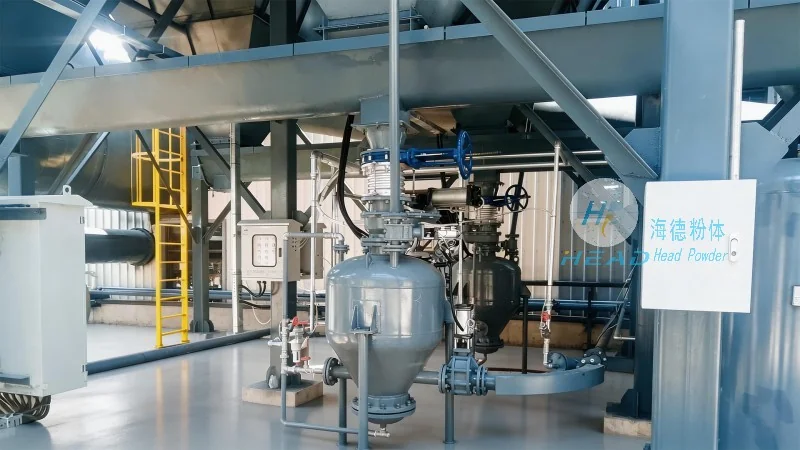
The working principle of pneumatic conveying relies on the interaction between the material particles and the air stream. In a dilute-phase system, the material is suspended in the air as individual particles, moving at high velocity through the pipeline. The pressure drop across the system is primarily due to friction between the air and the pipe walls, as well as the resistance from the material particles. In dense-phase systems, the material is conveyed in a more compact form, with lower air velocity and higher material concentration. This method is often used for materials that are more prone to degradation or clogging. The choice between dilute and dense-phase systems depends on factors such as material properties, required conveying distance, and system design constraints. Advanced control systems monitor parameters like pressure, flow rate, and material level to optimize the conveying process and ensure consistent performance.
Advantages of Pneumatic Conveying for Battery Materials
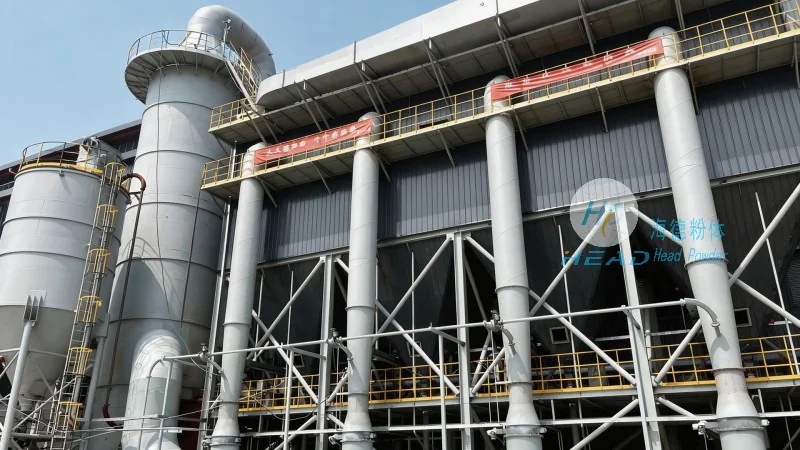
Implementing pneumatic conveying systems for lithium-ion battery positive electrode materials offers several advantages. Firstly, it provides a dust-free and enclosed environment, which is crucial for maintaining material purity and preventing contamination. This is particularly important for high-purity materials used in battery production. Secondly, the system can handle a wide range of material types and particle sizes, making it versatile for different battery chemistries. Thirdly, pneumatic conveying reduces material handling time and labor costs compared to traditional methods like bucket elevators or belt conveyors. Additionally, the enclosed design minimizes environmental impact and improves workplace safety by eliminating dust exposure. Overall, the efficiency and reliability of pneumatic conveying make it an essential component in modern battery manufacturing facilities.




