HeadPowder, a leading provider in the field of dust-free pneumatic conveying technology, specializes in delivering efficient and reliable solutions for material handling. Based in Shandong, China, the company has established itself as a trusted partner for industries requiring clean and safe material transport. This article explores the operation process and working principle of their dust-free pneumatic conveying systems, highlighting the key components and mechanisms that ensure optimal performance.
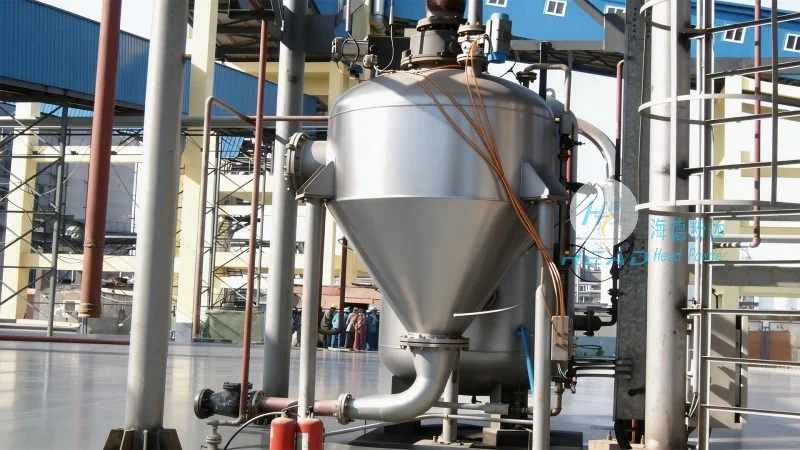
Company Profile and Core Technology
Shandong HeadPowder Engineering Co., Ltd. (HeadPowder) is dedicated to advancing the standards of pneumatic conveying systems, particularly those designed to maintain a dust-free environment. The company’s expertise lies in integrating advanced engineering principles with practical applications, ensuring that their systems meet the stringent requirements of modern industrial processes. By focusing on innovation and quality, HeadPowder has become a prominent name in the material handling sector, serving a diverse range of clients across various industries.
Understanding Pneumatic Conveying Systems
Pneumatic conveying systems utilize air or gas to transport bulk materials from one location to another. Unlike traditional mechanical systems, these systems offer advantages such as reduced contamination, lower maintenance costs, and the ability to handle a wide variety of materials, including powders, granules, and even fine particles. The core of a dust-free pneumatic conveying system lies in its ability to minimize dust generation and ensure a clean operational environment, which is critical in industries like pharmaceuticals, food processing, and electronics manufacturing.
Key Components of a Dust-Free Pneumatic Conveying System
The effectiveness of a dust-free pneumatic conveying system depends on several critical components that work in harmony to achieve efficient material transport. These components include the air supply system, material feeders, conveying lines, and dust collection units. Each component plays a vital role in maintaining the system’s performance and ensuring a dust-free environment.
The Air Supply System
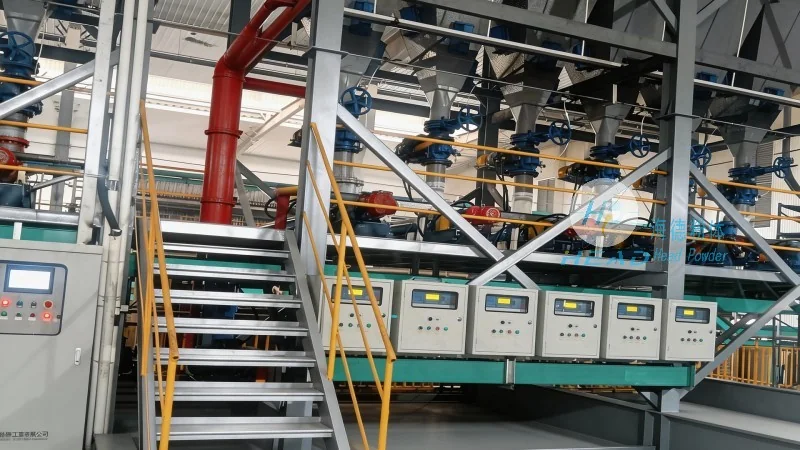
The air supply system is the heart of any pneumatic conveying system, responsible for generating the necessary airflow to move materials through the conveying lines. In dust-free systems, high-quality air is essential to prevent dust particles from being released into the environment. This typically involves the use of air compressors, filters, and regulators to ensure that the air is clean and at the appropriate pressure and flow rate. The air supply system also includes controls to manage the air pressure and flow, allowing for precise adjustment based on the material being conveyed and the system’s operational needs.
Material Feeders
Material feeders are crucial for controlling the flow of material into the conveying system. They ensure that the material is introduced into the system at a consistent rate, preventing overloading or underloading of the conveying lines. In dust-free systems, feeders are designed to minimize the generation of dust during material introduction. This may involve the use of screw feeders, rotary valves, or other types of feeders that are equipped with dust collection features. The feeders are typically integrated with the air supply system to ensure a smooth and continuous flow of material.
Conveying Lines and Tubing
The conveying lines, usually made of stainless steel or other corrosion-resistant materials, are designed to withstand the pressure and flow of air and material. In dust-free systems, the tubing is often equipped with smooth, non-porous surfaces to minimize the accumulation of dust and prevent blockages. The design of the conveying lines also includes features such as bends and elbows that are optimized to reduce pressure losses and maintain the integrity of the material stream. The length and diameter of the lines are carefully selected based on the distance and volume of material to be transported.
Dust Collection Units
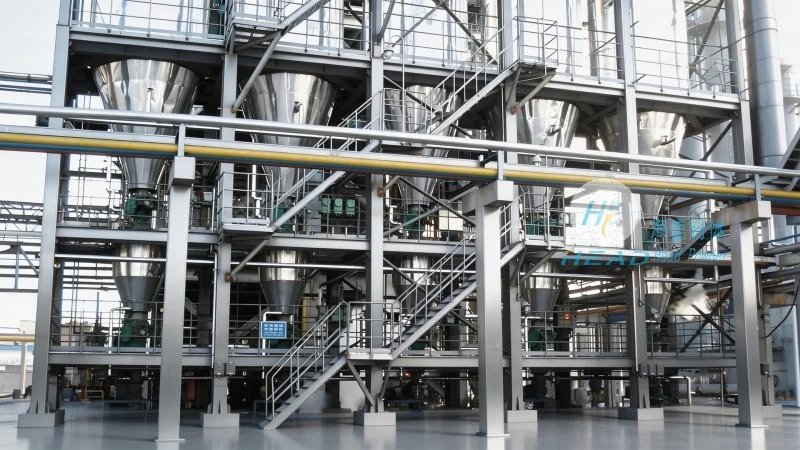
Dust collection units are essential for maintaining a clean and safe environment by capturing any dust particles that may be generated during the conveying process. These units typically consist of filters or cyclones that separate the dust from the air, ensuring that the air is released back into the environment without contaminating it. In dust-free systems, the dust collection units are designed to be highly efficient, with features such as HEPA filters or high-efficiency cyclones that capture even the smallest particles. The collected dust is then stored in a container for disposal or reuse, depending on the material and industry requirements.
Operation Process of a Dust-Free Pneumatic Conveying System
The operation of a dust-free pneumatic conveying system involves several steps that ensure efficient and safe material transport. The process begins with the preparation of the material, which may include drying or screening to remove any moisture or impurities that could affect the conveying process. The material is then fed into the system using the material feeder, which introduces it into the conveying line at a controlled rate. The air supply system then generates the necessary airflow, which carries the material through the conveying lines to the destination point. The material is discharged at the receiving end, and the system continues to operate until the material is fully transferred.
Working Principle of the System
The working principle of a dust-free pneumatic conveying system is based on the principle of fluidization and the use of air as a carrier medium. The air is introduced into the conveying line at a high velocity, creating a flow that lifts and transports the material particles. The material particles are suspended in the air stream, moving through the system with minimal contact with the conveying lines. This suspension reduces the friction between the material and the lines, minimizing wear and tear and ensuring a smooth flow. The system’s design ensures that the air velocity is sufficient to maintain the material in suspension, preventing blockages and ensuring consistent performance.
Advantages of Dust-Free Pneumatic Conveying Systems
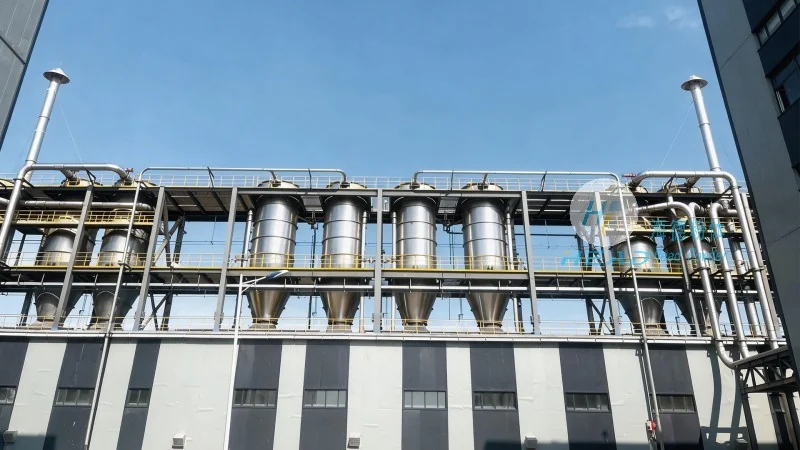
Dust-free pneumatic conveying systems offer several advantages over traditional mechanical systems. These include reduced contamination, lower maintenance costs, and improved safety. The systems are also more flexible, allowing for easy integration into existing industrial processes and the ability to transport materials over long distances. Additionally, the systems are energy-efficient, with the ability to adjust the air flow and pressure to optimize performance and reduce energy consumption.
Applications and Industries
Dust-free pneumatic conveying systems are widely used in various industries, including pharmaceuticals, food processing, electronics manufacturing, and chemical processing. In the pharmaceutical industry, these systems are essential for maintaining the cleanliness and safety of materials, as any contamination can have serious health implications. In food processing, the systems are used to transport ingredients and finished products, ensuring that they remain free from dust and contaminants. In electronics manufacturing, the systems are used to transport fine powders and granules, which are critical components in the production of electronic devices.
Conclusion
HeadPowder’s dust-free pneumatic conveying systems represent a significant advancement in material handling technology, offering efficient, reliable, and safe solutions for industries requiring clean and precise material transport. By understanding the operation process and working principle of these systems, businesses can make informed decisions about their material handling needs and choose the most suitable solution for their specific requirements. With its commitment to quality and innovation, HeadPowder continues to lead the way in providing advanced pneumatic conveying solutions that meet the evolving demands of modern industry.




