Hydrogen chloride (HCl) is a highly corrosive and toxic gas commonly used in various industrial applications, such as chemical manufacturing, pharmaceutical production, and metal processing. The safe and efficient handling of HCl gas is crucial for industrial operations, and pneumatic conveying systems have emerged as a reliable solution for transporting this hazardous material. This article provides an in-depth overview of the operation process and working principle of hydrogen chloride pneumatic conveying machines, highlighting the key components, operational procedures, and safety considerations involved in the process.
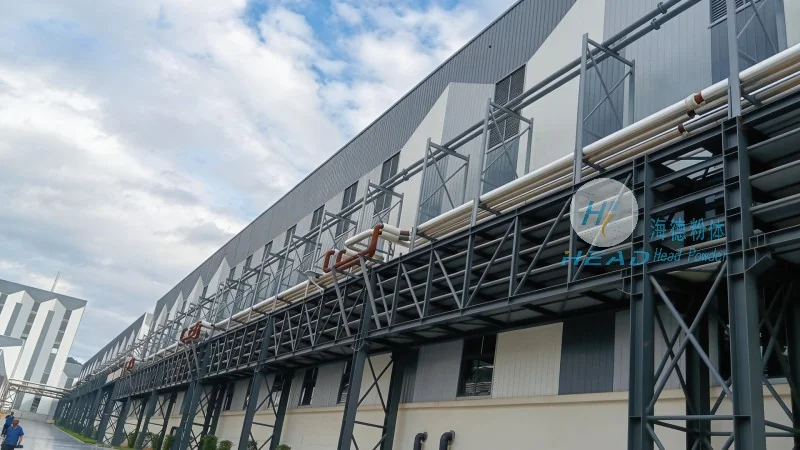
Company Profile: Shandong HeadPowder Engineering Co., Ltd.
HeadPowder, a leading engineering company based in Shandong, China, specializes in the design, manufacturing, and installation of advanced pneumatic conveying systems. With years of experience in the chemical and industrial sectors, HeadPowder has developed a comprehensive range of solutions tailored to meet the unique requirements of clients handling hazardous materials like hydrogen chloride. The company's commitment to quality, safety, and innovation has established it as a trusted partner in the industry, providing reliable equipment that ensures efficient and safe material transport.
Key Components of Hydrogen Chloride Pneumatic Conveying Machines
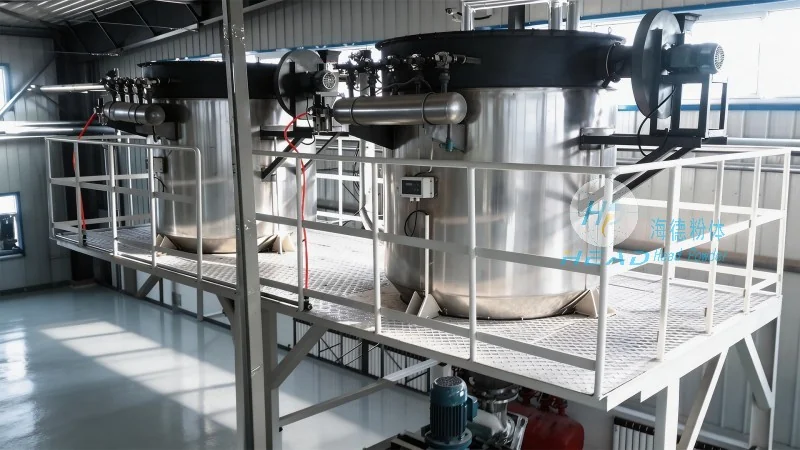
The hydrogen chloride pneumatic conveying system consists of several critical components that work in tandem to ensure the safe and effective transport of the gas. These components include the gas source, conveying line, control valves, and dust collection systems. The gas source typically involves a compressor or blower that generates the necessary air pressure to move the HCl gas through the conveying line. The conveying line is usually made of corrosion-resistant materials, such as stainless steel or PTFE, to withstand the harsh chemical environment of HCl. Control valves are used to regulate the flow of gas and material, ensuring precise control over the conveying process. Additionally, dust collection systems are integrated to capture any particulate matter that may be present in the HCl gas, preventing contamination and ensuring compliance with environmental regulations.
Working Principle of Hydrogen Chloride Pneumatic Conveying
The working principle of hydrogen chloride pneumatic conveying machines is based on the principle of fluidization and gas-solid flow. The system operates by introducing compressed air into the conveying line, which creates a high-velocity flow that lifts and transports the HCl gas particles. The gas source provides the necessary pressure to overcome the resistance of the conveying line and the weight of the HCl particles. As the gas flows through the line, it entrains the HCl particles, forming a slurry-like mixture that is transported to the destination point. The control valves are used to regulate the flow rate and pressure, ensuring that the system operates within safe and efficient parameters. The dust collection system is activated during the conveying process to capture any particulate matter that may be released from the HCl gas, preventing it from escaping into the environment.
Operation Process of Hydrogen Chloride Pneumatic Conveying Machines
The operation process of hydrogen chloride pneumatic conveying machines involves several steps that must be carefully followed to ensure safe and efficient operation. The first step is to prepare the system by checking the integrity of the conveying line and ensuring that all components are properly connected and secured. The gas source is then activated, and the pressure is adjusted to the required level. The control valves are then set to the appropriate position to initiate the conveying process. The HCl gas is then introduced into the system, and the conveying line is activated to transport the gas to the destination point. The system is monitored continuously to ensure that the pressure and flow rates are within the safe operating range. Any deviations from the normal operating conditions are immediately addressed to prevent accidents or equipment damage. The dust collection system is also activated during the conveying process to capture any particulate matter that may be present in the HCl gas, ensuring that the system operates in compliance with environmental regulations.
Safety Considerations for Hydrogen Chloride Pneumatic Conveying
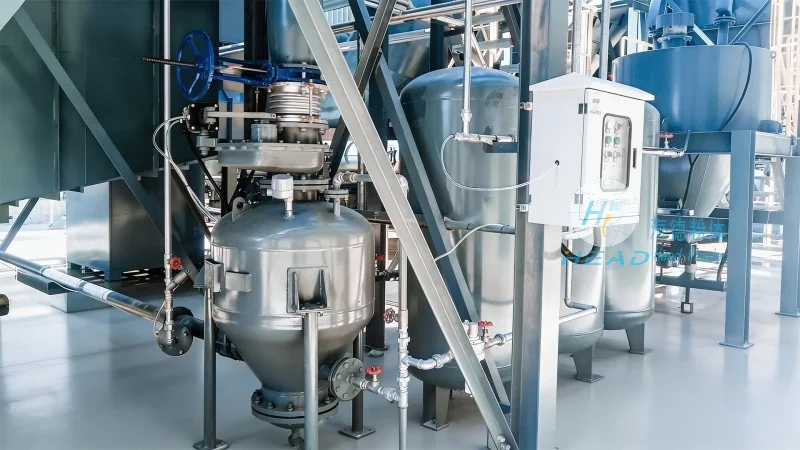
Handling hydrogen chloride gas requires strict adherence to safety protocols to prevent accidents and ensure the well-being of personnel. The pneumatic conveying system must be equipped with appropriate safety features, such as pressure relief valves, emergency shut-off valves, and gas detectors. The system must also be regularly inspected and maintained to ensure that all components are in good working condition. Personnel operating the system must be trained on the proper procedures for handling HCl gas and the use of personal protective equipment (PPE). Additionally, the system must be designed to minimize the risk of leaks and spills, and emergency response plans must be in place in case of an incident.
Conclusion
Hydrogen chloride pneumatic conveying machines are an essential component of industrial operations that handle this hazardous gas. The operation process and working principle of these machines are critical to ensuring the safe and efficient transport of HCl gas. With the expertise and experience of companies like Shandong HeadPowder Engineering Co., Ltd., clients can rely on reliable and efficient pneumatic conveying systems that meet the highest standards of safety and performance. By understanding the key components, operational procedures, and safety considerations involved in the process, industrial facilities can effectively manage the handling of hydrogen chloride gas and ensure compliance with environmental regulations.




