Intermittent pneumatic conveying system equipment is a specialized industrial device designed for the efficient transport of bulk materials over short to medium distances. This technology utilizes compressed air to move powders, granules, or other particulate materials through a pipeline network. The system is particularly valued in industries such as food processing, pharmaceuticals, chemicals, and mining, where maintaining product integrity and controlling dust are critical. By understanding the operation process and working principle of these systems, users can optimize performance, ensure safety, and enhance operational efficiency.
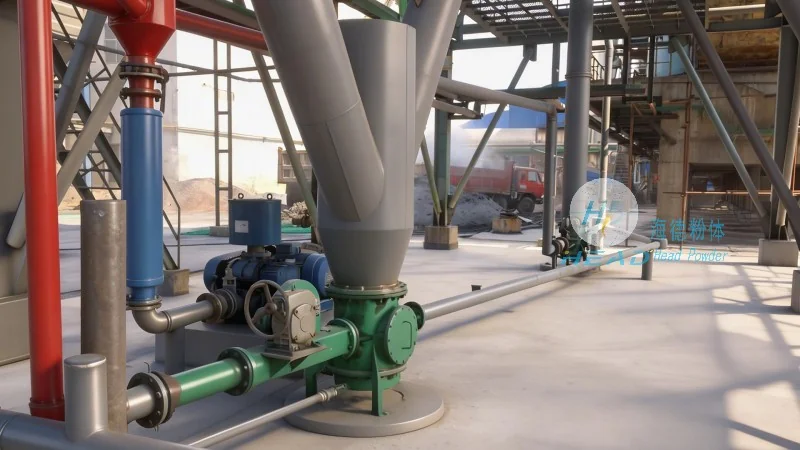
Key Components of the Intermittent Pneumatic Conveying System
The core components of an intermittent pneumatic conveying system include the material hopper, air compressor, conveying line, and discharge hopper. The material hopper stores the bulk material to be transported, while the air compressor generates the necessary pressure to drive the material through the pipeline. The conveying line, typically made of stainless steel or other corrosion-resistant materials, ensures the material is moved without degradation. The discharge hopper collects the material at the destination point. Each component plays a vital role in the overall system performance, and proper maintenance and selection are essential for reliable operation.
Operation Process of the Intermittent Pneumatic Conveying System
The operation process of an intermittent pneumatic conveying system involves several sequential steps. First, the bulk material is loaded into the material hopper. Then, the air compressor is activated, creating a pressure differential that draws the material into the conveying line. The compressed air, often mixed with the material, propels the particles forward. The system operates in cycles, with each cycle consisting of material loading, air compression, and material discharge. This intermittent operation helps control the flow rate and prevents overloading of the system. The process is controlled by a programmable logic controller (PLC) or similar automation system, which monitors pressure, flow, and other parameters to ensure smooth operation.
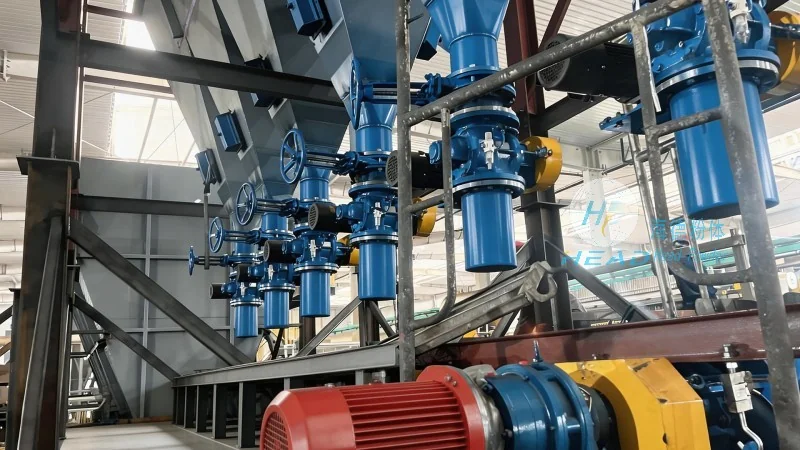
Working Principle of the Intermittent Pneumatic Conveying System
The working principle of the intermittent pneumatic conveying system is based on the principles of fluid dynamics and particle transport. When compressed air is introduced into the conveying line, it creates a low-pressure zone that draws the material from the hopper. The air and material mixture moves through the pipeline due to the pressure difference. The system uses a combination of positive and negative pressure to control the flow. In positive pressure systems, air is blown into the line, pushing the material forward. In negative pressure systems, air is drawn out, creating a vacuum that pulls the material. The intermittent nature of the system allows for precise control over the material flow rate, ensuring that the material is transported at a consistent speed without clogging or degradation.
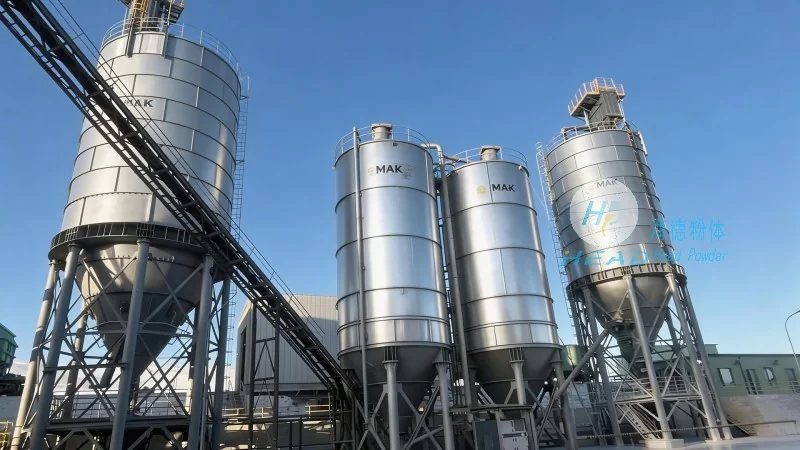
Advantages of Using Intermittent Pneumatic Conveying System Equipment
Intermittent pneumatic conveying systems offer several advantages over traditional conveying methods. One key benefit is the ability to transport materials in a closed system, which helps prevent contamination and dust emissions. This is particularly important in industries where product purity is paramount, such as food and pharmaceuticals. Additionally, the system can handle a wide range of materials, from fine powders to coarse granules, without the need for additional processing. The compact design of the equipment allows for easy integration into existing production lines, reducing installation time and costs. Furthermore, the system is relatively low maintenance, with fewer moving parts compared to mechanical conveyors, leading to lower operational costs over time.
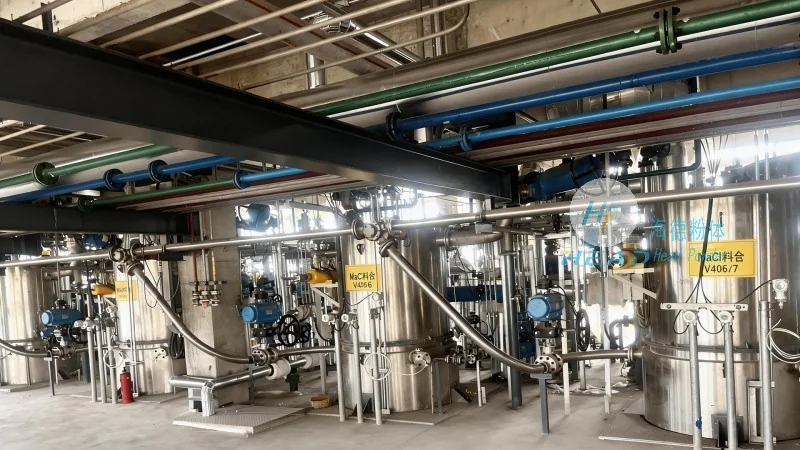
Applications and Industries Served by Intermittent Pneumatic Conveying Systems
Intermittent pneumatic conveying systems are widely used across various industries due to their versatility and efficiency. In the food industry, these systems are used to transport ingredients like flour, sugar, and spices, ensuring they remain fresh and free from contamination. In the pharmaceutical sector, the closed system design helps maintain sterile conditions, which is critical for drug manufacturing. The chemical industry utilizes these systems to transport powders and granules, such as fertilizers and pigments, while minimizing dust exposure. Mining and mineral processing industries also benefit from the system's ability to handle abrasive materials, such as coal and ore, without causing wear and tear on the equipment. Overall, the intermittent pneumatic conveying system is a reliable and efficient solution for bulk material transport in a variety of industrial applications.
Maintenance and Best Practices for Intermittent Pneumatic Conveying System Equipment
Proper maintenance is essential to ensure the longevity and optimal performance of intermittent pneumatic conveying system equipment. Regular inspection of the material hopper and conveying line for blockages or wear is crucial. The air compressor should be checked for proper pressure and airflow to prevent inefficiencies. Filters and separators should be cleaned or replaced regularly to maintain air quality and prevent dust buildup. Additionally, the system's control panel should be monitored for any unusual readings or alarms, which may indicate a problem. Following manufacturer guidelines for maintenance schedules and using high-quality replacement parts can help extend the equipment's lifespan and reduce downtime. By adhering to these best practices, users can ensure the system operates efficiently and safely, minimizing the risk of accidents or material loss.




