High-pressure pneumatic conveying systems represent advanced industrial solutions engineered to transport bulk materials efficiently and reliably over extended distances. These systems leverage compressed air or other gases to move powders, granules, and other particulate materials through a network of pipes and components. The technology is widely adopted across diverse sectors, including food processing, pharmaceuticals, chemicals, and mining, owing to its capability to handle delicate materials without contamination or degradation.
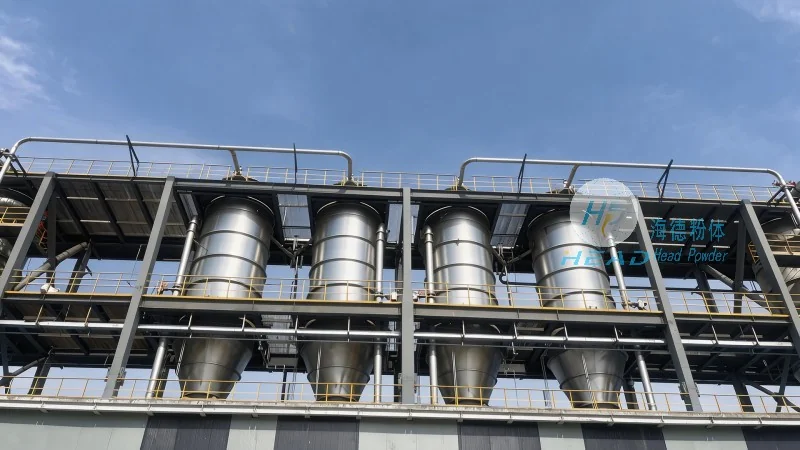
HeadPowder, a leading manufacturer headquartered in Shandong, China, specializes in the design, manufacturing, and integration of high-pressure pneumatic conveying equipment. With a strong commitment to quality and innovation, the company has established itself as a trusted partner for businesses seeking efficient material handling solutions. The company's primary operations are located in Shandong, China, where it harnesses local expertise and resources to deliver superior products and services.
Key Components and Working Principle
At the core of a high-pressure pneumatic conveying system are several critical components that collaborate to ensure smooth material transport. The primary elements include a high-pressure air compressor, a material feeder, a conveying line (typically constructed from stainless steel or other corrosion-resistant materials), and a receiver or discharge unit. The system operates by first feeding the material into the feeder, which then introduces it into the conveying line under high-pressure air flow. The compressed air creates a flow that propels the material particles through the pipeline, ensuring consistent and controlled movement.
The working principle of high-pressure pneumatic conveying relies on the principle of fluidization and drag flow. In this process, the high-pressure air generates a low-pressure zone within the conveying line, which draws the material particles into the flow. The air velocity is maintained at a level sufficient to keep the particles suspended and moving forward, preventing blockages and ensuring efficient transport. This method is particularly effective for materials that are prone to caking or agglomeration, as the high air pressure helps to break up and maintain the material in a fluidized state.
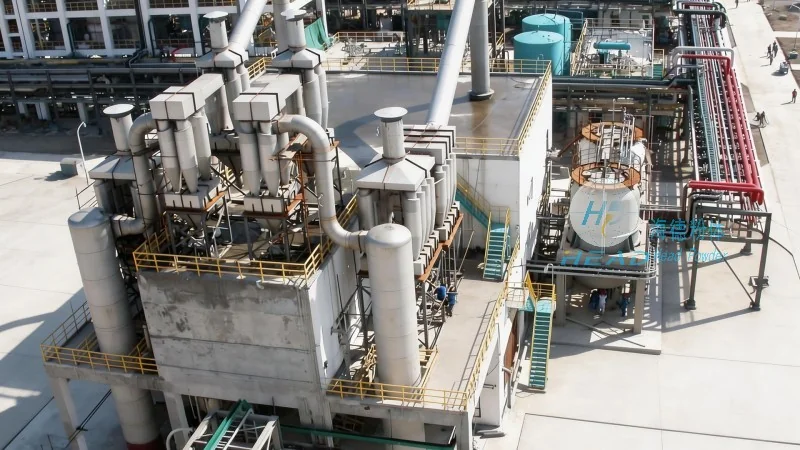
Operation Process: From Loading to Discharge
The operation of a high-pressure pneumatic conveying system follows a systematic process that ensures optimal performance and material handling. The process begins with the loading of the material into the feeder, which is typically equipped with a hopper or storage tank. The feeder then regulates the flow rate of the material, ensuring a consistent supply to the conveying line. Simultaneously, the high-pressure air compressor generates the necessary air pressure, which is then directed into the conveying line through a control valve or regulator.
Once the material is introduced into the conveying line, the high-pressure air flow begins to move the particles. The system continuously monitors pressure and flow rates to maintain optimal conditions. The material travels through the pipeline, which may include bends, valves, and other components, before reaching the discharge point. At the receiver end, the material is collected in a hopper or storage container, and the air is typically filtered and recycled back to the compressor to conserve energy and reduce waste.
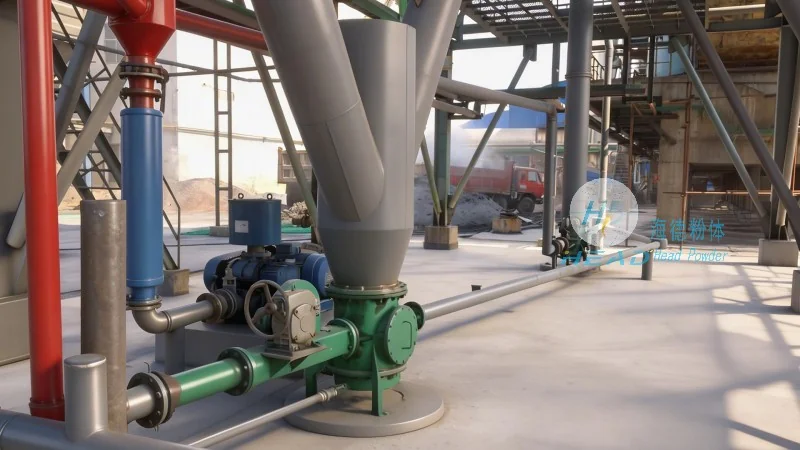
During operation, the system may also incorporate additional features such as airlocks, rotary valves, or cyclones to control the flow and prevent backflow. These components help to maintain the integrity of the material and ensure that the conveying process is efficient and reliable. The entire operation is typically automated, with sensors and control systems monitoring key parameters such as pressure, flow rate, and material level to adjust the process as needed.
Advantages and Applications
High-pressure pneumatic conveying systems offer several advantages over traditional material handling methods, making them a preferred choice for many industries. One of the key benefits is the ability to transport materials over long distances without the need for multiple transfer points or equipment. This reduces the risk of material contamination and damage, which is particularly important for sensitive products like pharmaceuticals or food ingredients. Additionally, the system is highly flexible, allowing for easy integration with existing production lines and the ability to handle a wide range of materials, from fine powders to larger granules.
HeadPowder's high-pressure pneumatic conveying equipment is designed to meet the specific needs of various applications. For example, in the food industry, the systems are constructed from food-grade materials and are equipped with sanitary designs to ensure compliance with regulatory standards. In the chemical industry, the equipment may be made from corrosion-resistant materials to handle aggressive substances. The company's engineers work closely with clients to understand their specific requirements and design customized solutions that optimize performance and efficiency.




