Centralized feeding pneumatic conveying systems are sophisticated industrial solutions designed to efficiently transport bulk materials from multiple sources to a central processing or storage location. These systems are integral to modern manufacturing and material handling operations, offering a reliable alternative to traditional mechanical conveyors. The equipment, developed by Shandong HeadPowder Engineering Co., Ltd., a leading provider in the field, combines advanced engineering with robust design to ensure optimal performance and durability.
Key Components and Their Roles
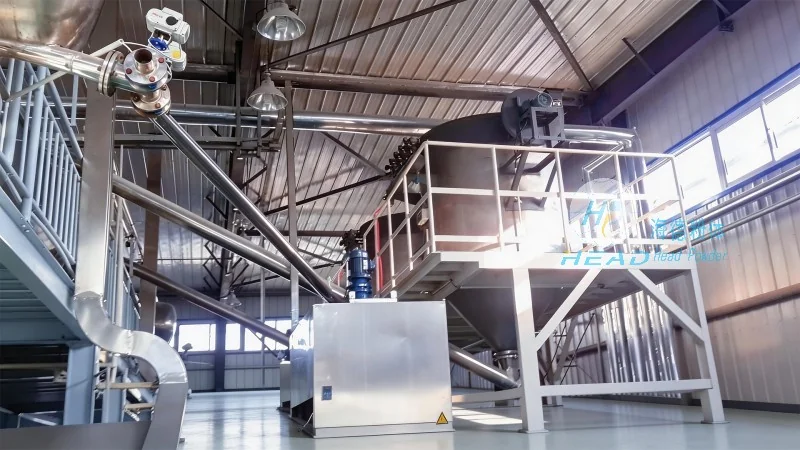
The centralized feeding pneumatic conveying system consists of several critical components that work in tandem to achieve seamless material transfer. At the core of the system is the feeding unit, which is responsible for introducing bulk materials into the conveying line. This unit may include hoppers, feeders, or screw conveyors, depending on the material type and flow rate requirements. The feeding mechanism ensures a consistent and controlled feed of material, preventing blockages and maintaining system efficiency.
Next, the conveying line itself, typically made of stainless steel or other corrosion-resistant materials, forms the main pathway for the material. The line is equipped with pressure vessels or ducts that facilitate the movement of material through the system. Along the line, there are often in-line mixers or agitators that help maintain material flow and prevent segregation. Additionally, the system includes control valves and regulators that manage air pressure and flow rates, ensuring precise control over the conveying process.
The system also incorporates a separation or collection unit at the end of the conveying line. This component, such as a cyclone separator or a bag filter, separates the conveyed material from the air stream, allowing the material to be deposited into a designated container or storage bin. The air, now clean, is then either recycled back into the system or vented to the atmosphere, depending on the system design and environmental regulations.
The Operation Process: Step-by-Step Overview
The operation of a centralized feeding pneumatic conveying system follows a systematic sequence of steps to ensure efficient material handling. The process begins with the loading of bulk materials into the feeding hopper. The material is then fed into the conveying line by the feeding mechanism, which may be a rotary valve, a screw feeder, or a vibratory feeder, depending on the material's characteristics.
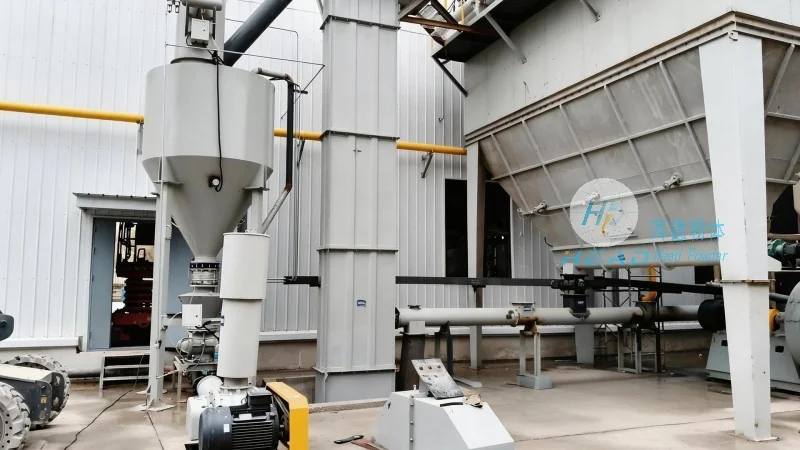
Once the material enters the conveying line, it is propelled by a high-pressure air stream. The air, often supplied by a positive displacement blower or a rotary lobe pump, creates a low-pressure zone that draws the material into the line. The air and material mixture travels through the ducts, with the material being suspended and transported along the path. The system's control valves and regulators adjust the air pressure and flow rate to maintain optimal conveying velocity, preventing material degradation or loss.
As the material reaches the end of the conveying line, it enters the separation unit. Here, the air and material are separated by centrifugal force or filtration. The material is collected in a hopper or bin, while the air is either filtered and recirculated or released. The collected material is then ready for further processing or storage, completing the cycle.
Working Principle: How the System Transfers Materials
The working principle of a centralized feeding pneumatic conveying system is based on the fundamental concept of pneumatic transport, where materials are conveyed using a gas (usually air) as the medium. The system operates under positive pressure, meaning the air pressure in the conveying line is higher than the ambient air pressure. This pressure differential creates a force that propels the material forward.
When the feeding mechanism introduces material into the conveying line, the air stream breaks the material into small particles or droplets, creating a slurry-like mixture. The air then carries these particles through the ducts, maintaining a consistent flow. The velocity of the air is critical; it must be sufficient to keep the material suspended and prevent it from settling or clogging the line. The system's design, including the size of the ducts and the air pressure, is tailored to the specific material being conveyed, ensuring efficient transport.
The separation process at the end of the system relies on the difference in density between the material and the air. In a cyclone separator, for example, the mixture is forced to rotate at high speed, causing the heavier material to move to the outer wall and drop to the bottom, while the lighter air is discharged through the top. This separation is efficient and allows for the recovery of the material with minimal loss of air. The filtered air can then be recycled, reducing energy consumption and environmental impact.
Benefits and Applications in Industrial Settings
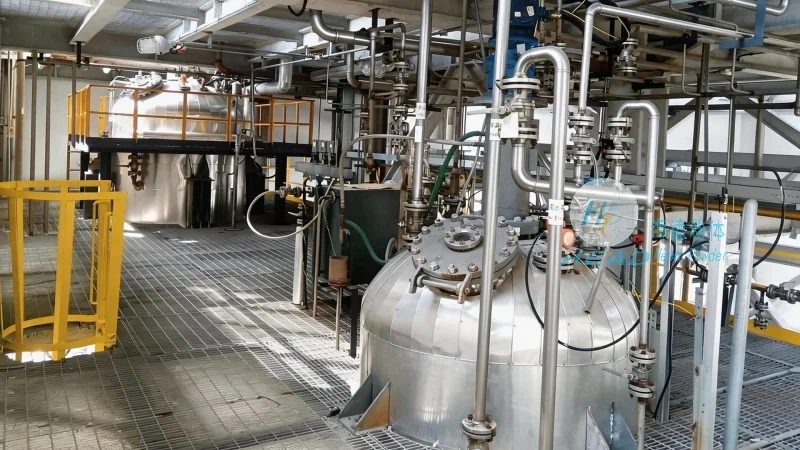
Centralized feeding pneumatic conveying systems offer numerous advantages over traditional mechanical conveyors, making them ideal for a wide range of industrial applications. One of the primary benefits is the ability to transport materials over long distances without the need for multiple transfer points or intermediate storage. This reduces the overall footprint of the system and minimizes the risk of material contamination.
Another key advantage is the flexibility of the system, which can handle a variety of materials, including powders, granules, and even wet or sticky substances. The system's design can be customized to accommodate different material characteristics, ensuring reliable performance. Additionally, the system is relatively low maintenance compared to mechanical conveyors, as there are fewer moving parts and less wear and tear on components.
These systems are widely used in industries such as food processing, pharmaceuticals, chemicals, and mining. In food processing, for example, the system can transport ingredients like flour, sugar, or spices while maintaining hygiene standards. In pharmaceuticals, the system ensures that powders are handled in a sterile environment, preventing contamination. In the chemical industry, the system can handle corrosive or hazardous materials safely and efficiently. The mining industry also benefits from the system's ability to transport bulk materials from mines to processing facilities without the need for heavy machinery.
Shandong HeadPowder Engineering Co., Ltd., with its headquarters in Shandong, China, specializes in the design, manufacturing, and installation of centralized feeding pneumatic conveying systems. The company's expertise in material handling technology ensures that their systems are tailored to meet the specific needs of each client, providing reliable and efficient solutions for industrial material transport. By combining advanced engineering with robust construction, HeadPowder delivers systems that enhance productivity, reduce downtime, and improve overall operational efficiency.




