For industrial facilities dealing with furfural residue, efficient and reliable material handling is crucial. The pneumatic conveying system designed by Shandong HeadPowder Engineering Co., Ltd. offers a sophisticated solution to transport furfural ash and other residues. This article explores the operational process and underlying principles of this system, highlighting its key components and performance characteristics.
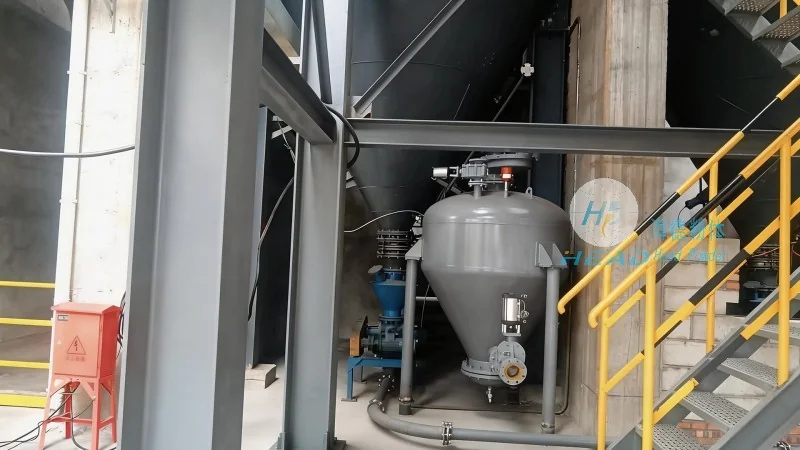
System Overview and Core Components
The furfural residue pneumatic conveying system is engineered to handle the transportation of fine powders and granular materials from furfural production processes. At the heart of the system are several critical components that work in tandem to ensure smooth operation. These include the material hopper, which serves as the storage and feeding unit; the air compressor, responsible for generating the necessary air pressure; the conveying pipeline, which transports the material; and the control system, which monitors and regulates the entire process. Each component is meticulously designed to withstand the abrasive nature of furfural residues, ensuring long-term durability and minimal maintenance.
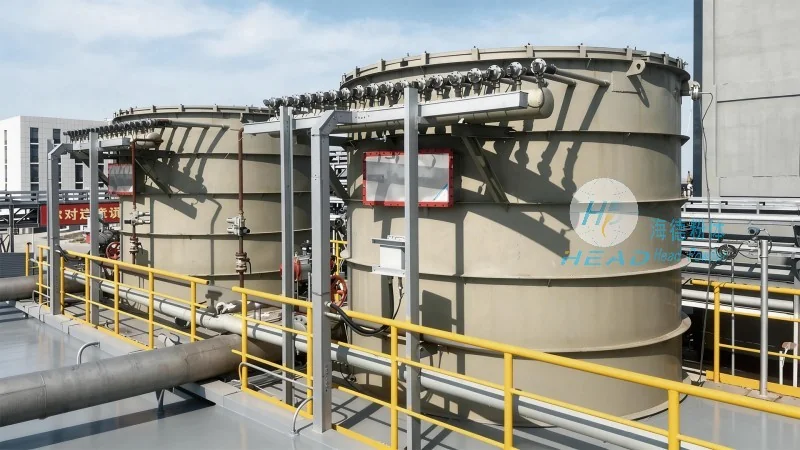
Operational Process: Step-by-Step Execution
The operation of the pneumatic conveying system for furfural residues follows a systematic sequence that ensures consistent and efficient material transport. The process begins with the loading of furfural ash into the material hopper. A feeding mechanism, such as a rotary valve or screw feeder, then regulates the flow of material into the conveying pipeline. Simultaneously, the air compressor starts and generates compressed air, which is introduced into the pipeline. As the air flows through the system, it creates a low-pressure zone that draws the material particles into the air stream, forming a dense mixture known as a slurry. This mixture travels through the pipeline to the discharge point, where it is separated from the air and deposited into the receiving container. The control system continuously monitors parameters like pressure, flow rate, and material level, adjusting the air supply and feeding rate as needed to maintain optimal performance.
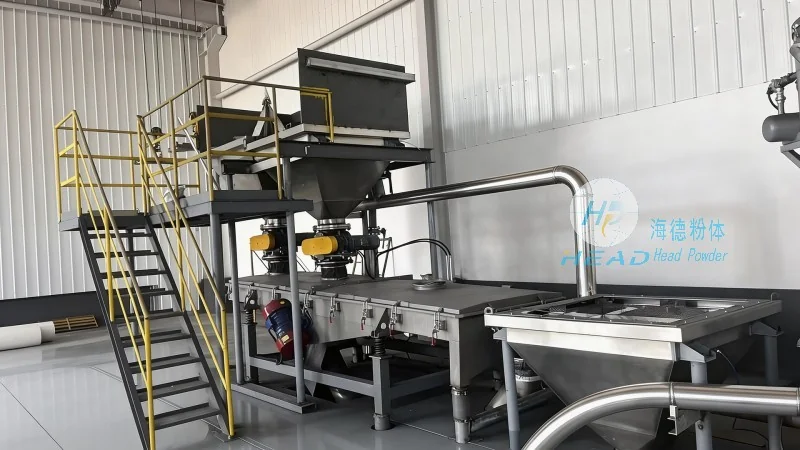
Working Principle: Fluidization and Air-Particle Interaction
The pneumatic conveying system operates on the principle of fluidization, where the material particles are suspended and transported by the air stream. The key to this process lies in the interaction between the air and the particles. When compressed air is introduced into the conveying pipeline, it creates a high-velocity flow that overcomes the gravitational force acting on the particles. This results in the particles becoming airborne, forming a homogeneous mixture with the air. The system’s design ensures that the air velocity is sufficient to keep the particles in suspension without causing excessive wear on the equipment. The fluidization process is further enhanced by the use of appropriate pipeline diameters and bends, which minimize pressure losses and maintain a stable flow. The control system plays a vital role in maintaining the air-particle ratio, ensuring that the material is conveyed efficiently without clogging or excessive energy consumption.
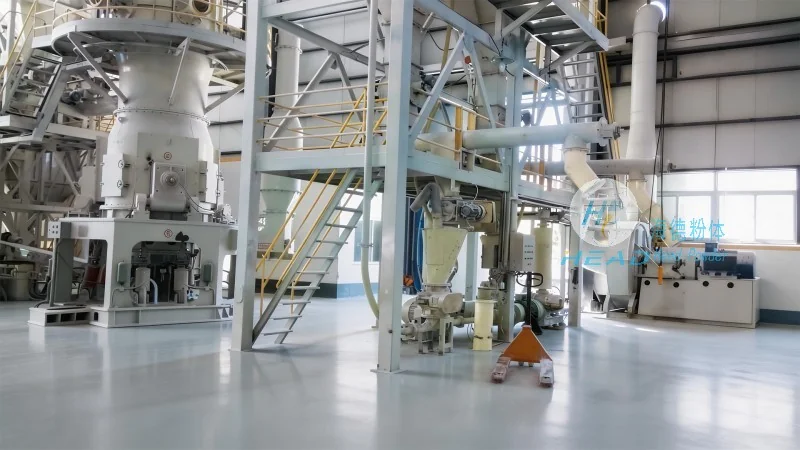
Advantages and Performance Characteristics
Shandong HeadPowder Engineering Co., Ltd.’s furfural residue pneumatic conveying system offers several advantages that make it an ideal choice for industrial applications. One of the primary benefits is its ability to handle abrasive and fine materials without the need for mechanical components like belts or buckets, which are prone to wear and maintenance. The system is also highly flexible, allowing for horizontal, vertical, or inclined transport, depending on the layout of the facility. Additionally, the pneumatic conveying process is dust-free, reducing the risk of environmental contamination and improving workplace safety. Performance-wise, the system can achieve high material throughput rates while maintaining low energy consumption, making it cost-effective for long-term operation. The durability of the components, particularly the air compressor and pipeline, ensures a long service life, reducing downtime and maintenance costs.




