Coal ash, a byproduct of coal combustion in power plants, poses significant challenges in handling and transportation due to its fine particle size and potential environmental impact. Efficient and reliable coal ash powder conveying systems are crucial for industrial applications, ensuring safe and sustainable management of this material. This article provides an in-depth exploration of the operation process and working principle of coal ash powder conveying, highlighting the technical aspects and practical applications of such systems, with a focus on the expertise of Shandong HeadPowder Engineering Co., Ltd. (HeadPowder), a leading provider of coal ash handling solutions.
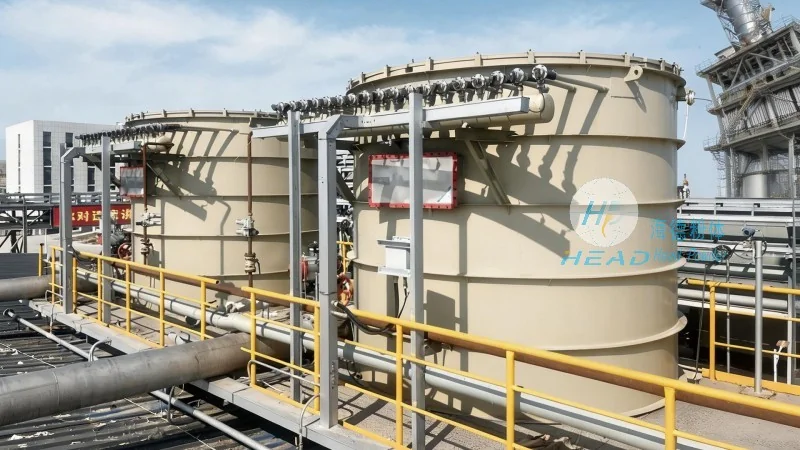
Introduction to Coal Ash Powder Conveying Systems
Coal ash, also known as fly ash or bottom ash, is a fine particulate material generated during the combustion of coal in thermal power plants. The effective transportation of coal ash from the source to disposal or utilization sites requires specialized equipment and systems designed to handle its unique properties. Coal ash powder conveying systems are engineered to address the challenges associated with this material, including its high moisture content, abrasive nature, and potential for dust generation. By understanding the operation process and working principle of these systems, stakeholders can optimize their coal ash management strategies and enhance operational efficiency.
Key Components of Coal Ash Powder Conveying Systems
The operation of coal ash powder conveying systems relies on a combination of key components that work in harmony to ensure smooth and continuous material transport. These components typically include:
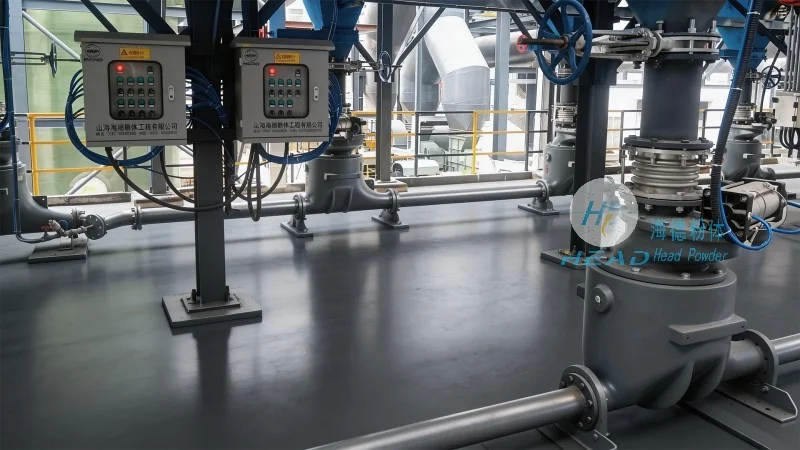
- Feeding Equipment: Devices such as screw feeders or rotary valves that feed coal ash from storage silos or hoppers into the conveying system. These components ensure a consistent and controlled flow of material, preventing blockages and maintaining system stability.
- Conveying Medium: The medium used to transport coal ash, which can be either pneumatic (air or gas) or mechanical (e.g., belt conveyors, screw conveyors). The choice of conveying medium depends on the specific characteristics of the coal ash and the distance to be covered.
- Pneumatic Conveying Systems: In pneumatic systems, coal ash is suspended in a stream of air or gas and transported through pipelines. This method is particularly effective for fine powders and can achieve high transport velocities, making it suitable for long-distance conveying.
- Mechanical Conveying Systems: Mechanical systems, such as belt or screw conveyors, use mechanical force to move coal ash along a fixed path. These systems are often preferred for shorter distances or when the ash contains larger particles or higher moisture content.
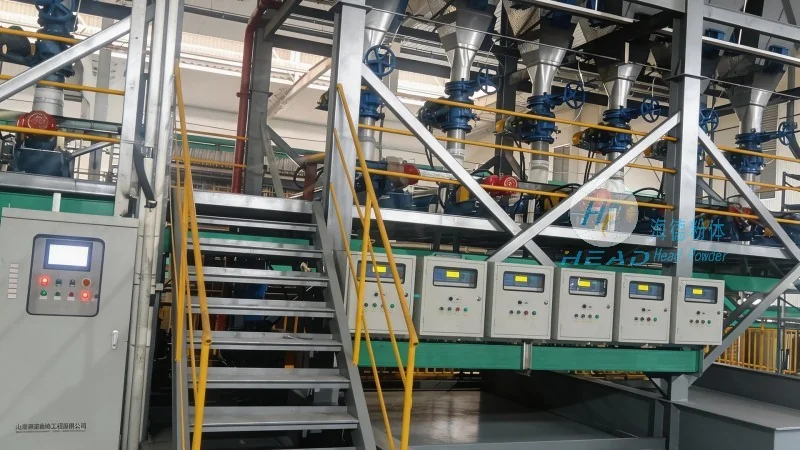
- Control Systems: Advanced control systems monitor and regulate the operation of the conveying process, ensuring optimal performance and preventing issues such as overloading or system failure. These systems may include sensors for flow rate, pressure, and temperature, as well as automated controls for start-up and shutdown procedures.
- Filtering and Dust Control: To mitigate the environmental impact of coal ash dust, systems often incorporate filtration and dust control equipment. This may include cyclone separators, baghouses, or electrostatic precipitators that capture and contain airborne particles, ensuring compliance with environmental regulations and protecting personnel health.
The Working Principle of Coal Ash Powder Conveying
The working principle of coal ash powder conveying systems involves the transfer of material from the source to the destination through a series of controlled steps. For pneumatic systems, the process typically begins with the feeding of coal ash into a hopper or silo. The material is then discharged into a pipeline where it is mixed with a conveying medium, such as air or gas. The mixture is then propelled through the pipeline by a blower or compressor, which creates the necessary pressure differential to move the material. As the mixture travels through the pipeline, the coal ash particles are suspended in the air stream, allowing them to be transported efficiently. At the destination, the conveying medium is separated from the coal ash using a separator, such as a cyclone or filter, and the ash is collected in a storage bin or disposal area.
For mechanical systems, the working principle is more straightforward. The coal ash is fed into a conveyor belt or screw, which moves the material along a fixed path. The conveyor system may include idlers, pulleys, or drive mechanisms to ensure smooth and continuous movement. The material is then discharged at the end of the conveyor, where it is collected and transported to its final destination. Mechanical systems are generally more suitable for transporting larger or more cohesive particles, as they can handle higher loads and maintain a consistent flow.
Operation Process of Coal Ash Powder Conveying Systems
The operation process of coal ash powder conveying systems involves several key steps that must be executed in sequence to ensure efficient and reliable material transport. The process typically begins with the preparation of the system, which includes checking the condition of components, ensuring proper lubrication, and verifying the availability of the conveying medium. Once the system is ready, the feeding equipment is activated to start the flow of coal ash into the system. The control system monitors the flow rate and pressure, adjusting the operation as needed to maintain optimal performance. During operation, the system is continuously monitored for any signs of issues, such as blockages, pressure drops, or abnormal noise. If any issues are detected, the control system may automatically shut down the system to prevent damage or further problems.
At the end of the conveying process, the system is shut down in a controlled manner. The conveying medium is turned off, and the material is allowed to settle in the destination storage bin. The system is then cleaned and maintained as necessary to ensure it is ready for the next cycle of operation. Regular maintenance is crucial for the long-term performance of the system, as it helps to prevent wear and tear, reduce downtime, and extend the lifespan of the equipment.
Technical Advantages and Applications of Coal Ash Powder Conveying
Coal ash powder conveying systems offer several technical advantages that make them suitable for a wide range of industrial applications. These advantages include:
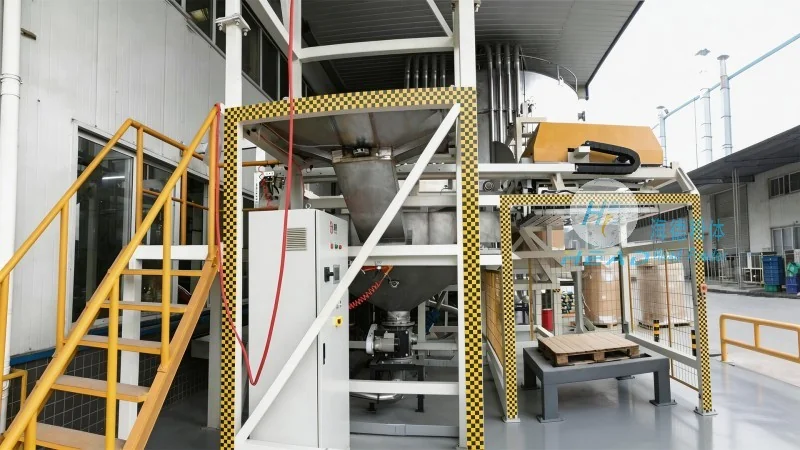
- Efficiency: The systems are designed to achieve high transport velocities and low energy consumption, making them cost-effective for long-distance conveying.
- Flexibility: The systems can be configured to handle different types of coal ash, including fly ash and bottom ash, and can be adapted to various distances and operating conditions.
- Environmental Compliance: The incorporation of dust control and filtration equipment ensures that the system meets environmental regulations and minimizes the impact on the environment.
- Safety: The systems are designed with safety features to protect personnel from exposure to coal ash dust and to prevent accidents during operation.
Coal ash powder conveying systems are widely used in power plants, cement plants, and other industrial facilities that generate coal ash. They are also used in the disposal and utilization of coal ash, such as in the production of concrete additives or as a soil amendment. The efficient and reliable operation of these systems is essential for the sustainable management of coal ash and the reduction of its environmental impact.
Conclusion
In conclusion, the operation process and working principle of coal ash powder conveying systems are critical for the effective management of coal ash in industrial applications. By understanding the key components, working principles, and operation processes of these systems, stakeholders can optimize their coal ash management strategies and enhance operational efficiency. The technical advantages of coal ash powder conveying systems, including efficiency, flexibility, and environmental compliance, make them a valuable solution for the transportation of this material. As the demand for sustainable coal ash management increases, the importance of efficient conveying systems will continue to grow, ensuring that coal ash is handled and transported in a safe and environmentally responsible manner.




