HeadPowder, a leading manufacturer in the field of powder handling technology, specializes in providing advanced solutions for dust-free powder feeding and conveying systems. This article delves into the operational process and working principles of such systems, highlighting the key components and mechanisms that ensure efficient, clean, and reliable material transfer in industrial applications.
Company Profile
HeadPowder, the company behind these innovative systems, is Shandong HeadPowder Engineering Co., Ltd., headquartered in Shandong, China. With a strong commitment to engineering excellence and customer satisfaction, the company has established itself as a trusted provider of powder handling solutions tailored to diverse industrial needs. The company's expertise lies in designing and manufacturing systems that meet stringent standards for cleanliness, efficiency, and durability, making them suitable for applications in pharmaceuticals, food processing, chemical manufacturing, and other industries where powder handling is critical.
Understanding Dust-Free Powder Feeding and Conveying
The core of dust-free powder feeding and conveying systems is to transport bulk powders from a storage silo or hopper to processing equipment without generating dust or causing material degradation. This is achieved through a combination of specialized equipment and control mechanisms that maintain a closed system environment, minimizing exposure to air and preventing contamination. The process typically involves several key steps, each designed to ensure smooth and controlled material flow.
Key Components and Their Functions
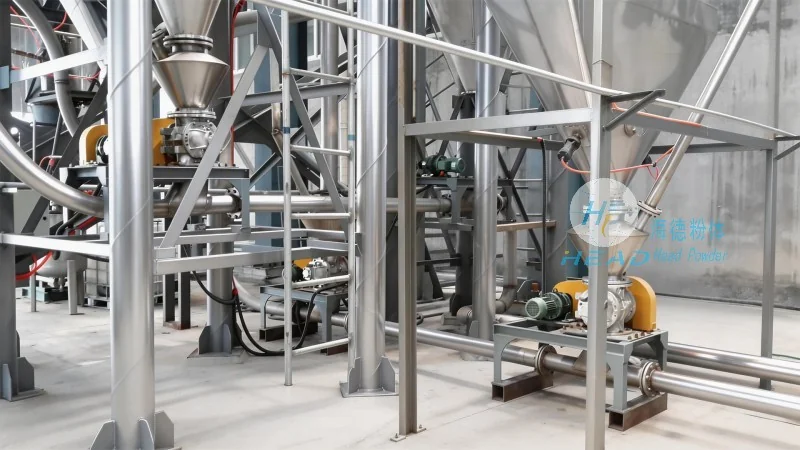
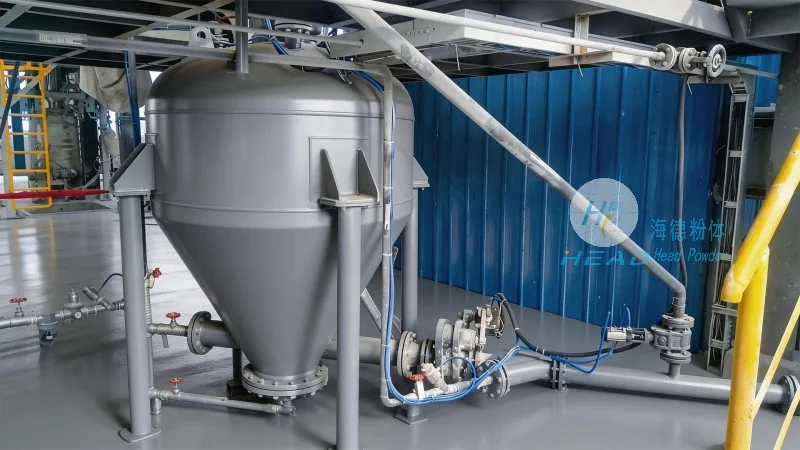
At the heart of a dust-free powder feeding system are components such as rotary valves, feeders, and conveyor lines. Each component plays a crucial role in the overall operation. For instance, rotary valves are used to control the flow of powder from the storage vessel to the feeder, acting as a gate to regulate the amount of material released. The feeder, often a screw or vibratory type, then takes over to provide a consistent and controlled feed rate to the conveyor system. The conveyor itself, which may be a pneumatic or mechanical type, transports the powder to the processing equipment while maintaining the closed system integrity.
The Operation Process: Step-by-Step
The operation of a dust-free powder feeding and conveying system begins with the preparation of the storage vessel. The vessel is typically equipped with a hopper or silo that holds the bulk powder. The system then initiates the feeding process by opening the rotary valve, allowing powder to flow into the feeder. The feeder adjusts its speed to maintain a steady flow rate, ensuring that the conveyor receives a consistent supply of material. As the conveyor transports the powder, it moves the material towards the processing equipment, such as a mixer or a reactor. Throughout this process, the system maintains a negative pressure or sealed environment to prevent dust from escaping and to protect the material from external contaminants.
Working Principles: Ensuring Efficiency and Cleanliness
The working principles of dust-free powder feeding and conveying systems revolve around maintaining a closed loop and controlling the flow of material. The system uses sensors and control systems to monitor the level of powder in the storage vessel and adjust the feeding rate accordingly. This ensures that the conveyor is always fed with the right amount of material, preventing overloading or underfeeding. Additionally, the system employs air filtration and dust collection mechanisms to capture any particles that might escape, further enhancing the cleanliness of the operation. By integrating these principles, the system achieves high efficiency in material transfer while maintaining the integrity of the powder and the environment.
Benefits and Applications
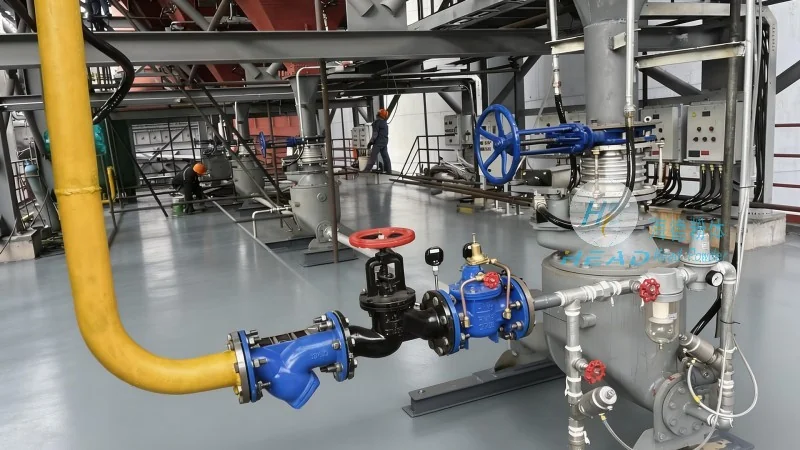
Dust-free powder feeding and conveying systems offer numerous benefits, including improved safety, reduced material loss, and enhanced product quality. By preventing dust generation, these systems minimize the risk of respiratory hazards and contamination, making them ideal for industries where product purity is paramount. The consistent flow of material also ensures that processing equipment operates at optimal efficiency, reducing downtime and increasing productivity. These systems are widely used in pharmaceutical manufacturing, where the purity of raw materials is critical, as well as in food processing, chemical production, and other sectors where bulk powder handling is essential.
Conclusion
In conclusion, the operation process and working principles of dust-free powder feeding and conveying systems are designed to provide efficient, clean, and reliable material transfer. By leveraging advanced components and control mechanisms, these systems ensure that bulk powders are handled safely and effectively, meeting the stringent requirements of modern industrial applications. HeadPowder, with its expertise in powder handling technology, continues to innovate and provide solutions that enhance operational efficiency and product quality across various industries.




