Shandong HeadPowder Engineering Co., Ltd., commonly known as headpowder, is a professional manufacturer based in Shandong, China, specializing in the design and production of high-temperature fine powder conveying equipment. The company's products are widely used in industries such as cement, metallurgy, and chemical processing, where the safe and efficient transportation of high-temperature fine powders is critical.
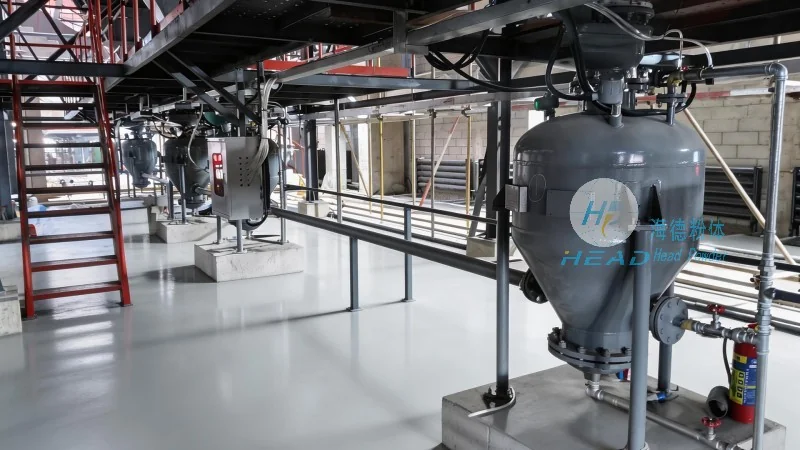
Overview of High-Temperature Fine Powder Conveying Equipment
High-temperature fine powder conveying equipment is a specialized system designed to handle the transportation of fine powders that are exposed to high temperatures during industrial processes. These powders, often generated from processes like cement clinker cooling, metallurgical slag handling, or chemical reactions, require equipment that can withstand extreme thermal conditions while maintaining the integrity of the material and ensuring operational safety. The equipment typically combines advanced materials, robust structural designs, and efficient control systems to meet the demanding requirements of modern industrial applications.
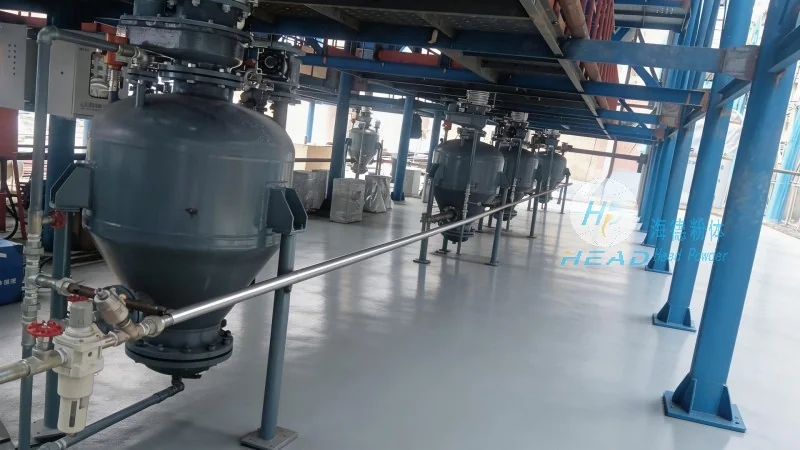
Working Principle of the Conveying System
The core working principle of high-temperature fine powder conveying equipment revolves around the use of pneumatic conveying technology. The system operates by generating a high-velocity gas stream, usually air or a mixture of air and inert gases, to transport fine particles through a network of pipes. The process begins with the material being fed into the system via a sealed hopper or feeder. The feeder is designed to handle the high-temperature environment, often equipped with insulation and temperature-resistant seals to prevent heat loss and maintain material quality. As the fine powder enters the conveying line, it is entrained by the moving gas stream, forming a gas-solid mixture that travels through the pipeline. The speed and pressure of the gas are carefully controlled to ensure the particles are carried efficiently without causing excessive wear on the equipment or leading to blockages.
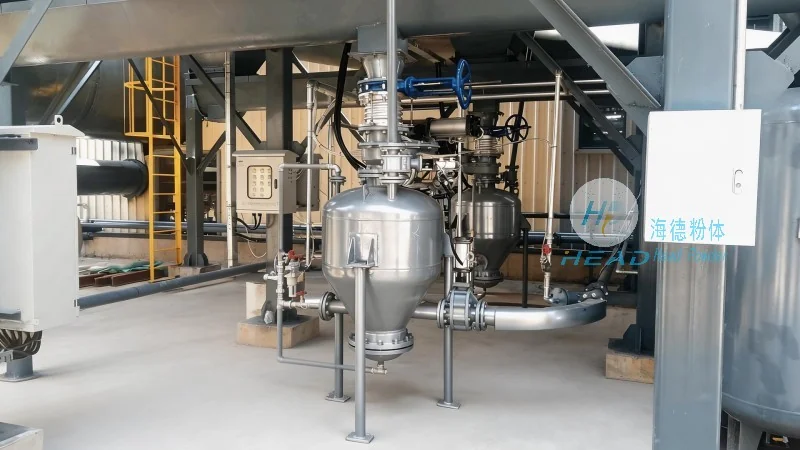
Key Components and Their Functions
The high-temperature fine powder conveying equipment consists of several critical components, each playing a vital role in the overall operation. The primary components include the feeding system, conveying pipeline, separation system, and control unit. The feeding system, as mentioned, is responsible for introducing the fine powder into the system under controlled conditions. It often features a rotary valve or screw feeder that can handle the high-temperature material without clogging or degradation. The conveying pipeline is constructed from materials with excellent thermal resistance and corrosion resistance, such as stainless steel or high-temperature alloys, to withstand the harsh environment. The pipeline design, including bends and straight sections, is optimized to minimize pressure drop and maintain the stability of the gas-solid flow. The separation system, typically a cyclone or bag filter, is used to separate the fine powder from the conveying gas. The cyclone works by using centrifugal force to separate the heavier particles from the lighter gas, allowing the clean gas to be discharged while the powder is collected in a hopper for further use. The control unit monitors and regulates various parameters, including pressure, temperature, and flow rate, to ensure the system operates within safe and efficient limits.
Operation Process and Flow Sequence
The operation of the high-temperature fine powder conveying equipment follows a systematic sequence to ensure smooth and continuous material transport. The process starts with the preparation phase, where the feeding hopper is loaded with the fine powder, and the system is checked for proper functioning. Once the system is ready, the feeding mechanism is activated, and the fine powder is introduced into the conveying line. Simultaneously, the blower or compressor is started to generate the necessary gas flow. The gas stream then picks up the fine particles and transports them through the pipeline to the destination point. At the receiving end, the separation system is activated to separate the powder from the gas. The separated powder is collected in a storage bin or conveyed to the next processing stage, while the clean gas is discharged to the atmosphere or recycled back into the system. Throughout the operation, the control system continuously monitors the pressure in the pipeline, the temperature of the material and equipment, and the flow rate of the gas. Any deviations from the set parameters are detected and corrected automatically, ensuring the system operates safely and efficiently. The entire process is designed to be continuous, with minimal downtime, and can be adjusted to handle varying loads and material characteristics.
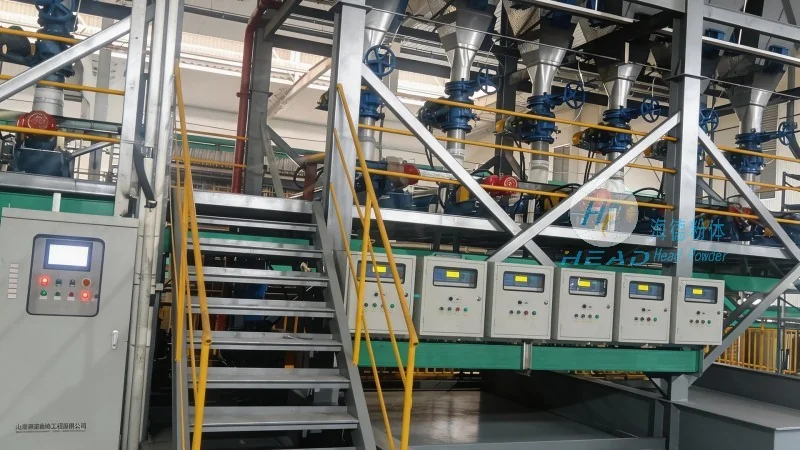
Advantages and Applications
High-temperature fine powder conveying equipment offers several advantages over traditional methods, such as manual handling or mechanical conveyors. The primary advantages include improved safety, as the material is contained within the system, reducing the risk of dust explosions or heat exposure to operators. The equipment also provides higher efficiency and reliability, with less maintenance required compared to traditional systems. Additionally, the system can handle a wide range of materials, from fine powders to granules, and can be customized to meet specific process requirements. The applications of this equipment are diverse and include the transportation of cement clinker from cooling towers to storage silos, the handling of metallurgical slag from furnaces, and the delivery of chemical powders in industrial plants. In each of these applications, the equipment ensures that the high-temperature fine powders are transported safely and efficiently, contributing to the overall productivity and safety of the industrial process.




