The small bag unpacking material conveying system is a specialized industrial equipment designed to handle the efficient transfer and processing of bulk materials packaged in small bags. This system integrates multiple functional components, including bag opening mechanisms, material discharge devices, and conveying units, to streamline the material handling workflow in various industrial applications such as chemical, food, and pharmaceutical industries. The system is engineered to enhance operational efficiency, reduce labor costs, and ensure consistent material quality during the transfer process.
Key Components and Their Functions
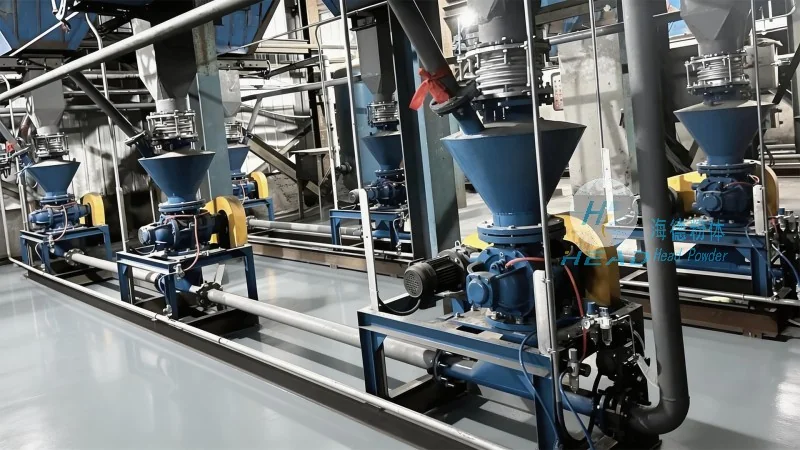
The small bag unpacking material conveying system typically consists of several core components that work in tandem to achieve the unpacking and conveying tasks. The primary components include the bag feeding unit, which positions the small bags in a consistent orientation for processing; the bag opening mechanism, which may use mechanical or pneumatic tools to open the bag without damaging the internal material; the material discharge device, which extracts the bulk material from the opened bag; and the conveying system, which transports the material to the next processing stage or storage location. Each component is carefully designed to ensure compatibility with different bag sizes, materials, and internal product characteristics, providing flexibility in application.
Operation Process of the System
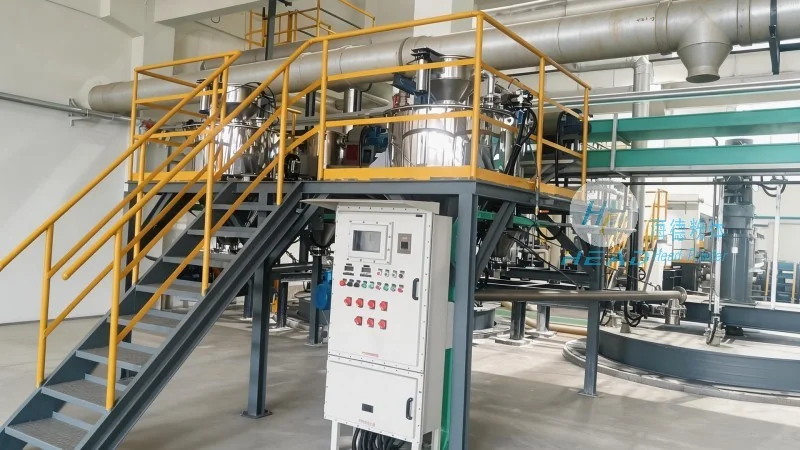
The operation of the small bag unpacking material conveying system follows a systematic sequence of steps to ensure smooth and continuous material handling. The process begins with the feeding of small bags into the system, where the bag feeding unit aligns the bags in a single file or batch. Once positioned, the bag opening mechanism activates to open the bag, either by cutting the bag's seal or using a specialized tool to rupture the packaging. After the bag is opened, the material discharge device, such as a rotary valve or a pneumatic suction system, extracts the bulk material from the bag. The extracted material is then transferred to the conveying system, which may consist of screw conveyors, belt conveyors, or pneumatic pipelines, depending on the material's properties and the required transfer distance. The conveying system ensures the material is transported to the designated destination, such as a storage silo, mixing unit, or packaging line, with minimal loss and consistent flow rates.
Working Principle of the System
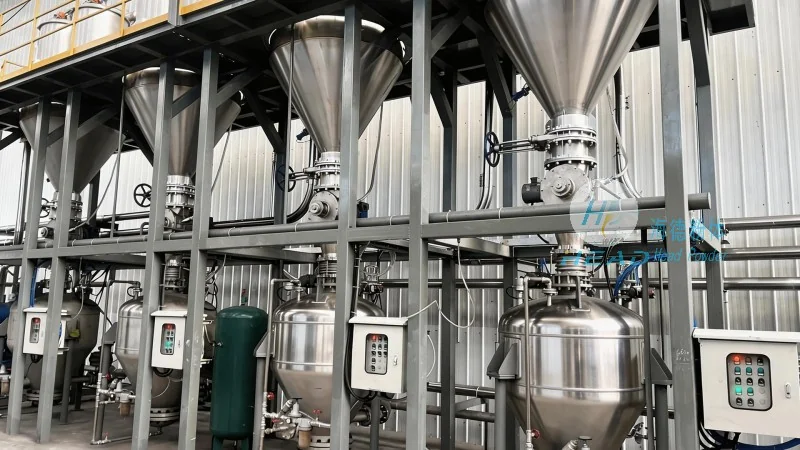
The working principle of the small bag unpacking material conveying system is based on the integration of mechanical, pneumatic, and control technologies to automate the unpacking and conveying process. The system operates by first identifying and positioning the small bags, then applying the appropriate force or energy to open the bag and release the internal material. The material discharge is controlled by the discharge device, which may use gravity, pressure, or suction to move the material from the bag to the conveying system. The conveying system utilizes the principles of fluid dynamics or mechanical motion to transport the material efficiently. The entire process is monitored and controlled by an integrated control system, which ensures that each step is executed in the correct sequence and at the appropriate speed. This control system may include sensors to detect bag presence, position, and material flow, as well as actuators to adjust the operation of the opening and discharge mechanisms. The working principle emphasizes energy efficiency, minimal material degradation, and high throughput, making it suitable for high-volume industrial applications.
Applications and Benefits
The small bag unpacking material conveying system is widely used in industries where bulk materials are packaged in small bags and need to be transferred to processing or storage facilities. Common applications include the chemical industry for handling powders and granules, the food industry for processing ingredients like flour and sugar, and the pharmaceutical industry for transferring raw materials and intermediates. The system offers several key benefits, including increased operational efficiency by reducing manual handling and processing time, improved material quality by minimizing exposure to air and contamination during the transfer process, and enhanced safety by automating the handling of potentially hazardous materials. Additionally, the system can be customized to accommodate different bag sizes, material types, and production rates, providing flexibility to meet the specific needs of various industrial settings.
Company Information
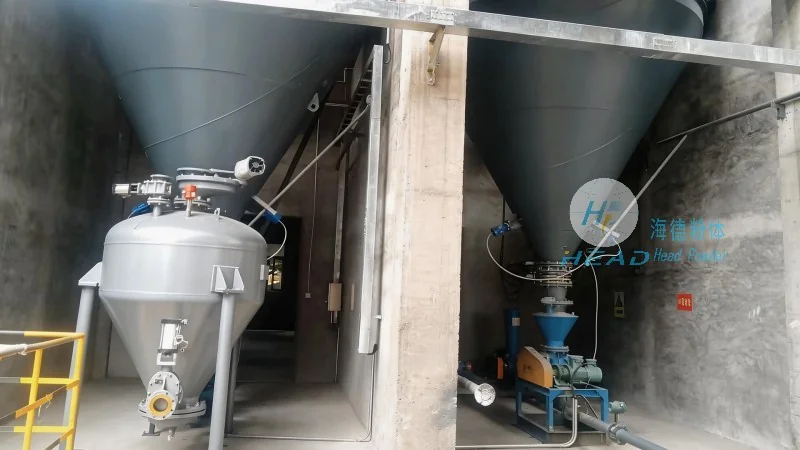
HeadPowder, a leading provider of industrial material handling solutions, specializes in designing and manufacturing advanced small bag unpacking material conveying systems. With a focus on innovation and customer satisfaction, HeadPowder has established itself as a trusted partner in the industry, delivering high-quality equipment that meets the demanding requirements of modern manufacturing processes. The company is headquartered in Shandong, China, and serves clients globally with tailored solutions that enhance productivity and operational efficiency. HeadPowder's commitment to quality and reliability ensures that its systems are built to withstand the rigors of industrial use and provide long-term performance.




