HeadPowder, a leading engineering company based in Shandong, China, specializes in the design, manufacturing, and installation of advanced material handling systems. Among their portfolio is the metering bin pump, a critical component in many industrial processes requiring precise and efficient bulk material transport. This article delves into the operation process and working principle of this system, highlighting its key features and practical applications.
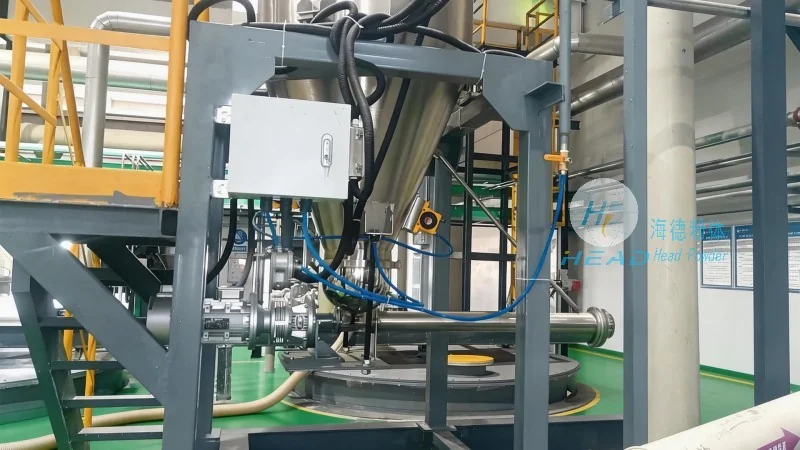
Overview of the Metering Bin Pump System
The metering bin pump, also known as a bin pump or a pneumatic conveying system, is a versatile device used to transport dry bulk materials such as powders, granules, and fine particles from a storage bin to a processing unit or a discharge point. The system combines the functionality of a hopper, a pump, and a control system to ensure accurate measurement and controlled delivery of materials. HeadPowder's expertise in engineering ensures that these systems are tailored to meet specific industrial requirements, offering reliability and efficiency in material handling operations.
Key Components of the Metering Bin Pump
The metering bin pump system consists of several interconnected components that work in harmony to achieve the desired material transport. The primary components include a storage bin (or hopper), a metering valve, a pump unit, a conveying line, and a control panel. Each component plays a crucial role in the overall operation of the system. The storage bin holds the bulk material, while the metering valve regulates the flow rate of the material into the pump. The pump unit, typically a diaphragm pump or a positive displacement pump, generates the necessary pressure to move the material through the conveying line. The control panel allows operators to monitor and adjust the system parameters, ensuring precise control over the material flow.
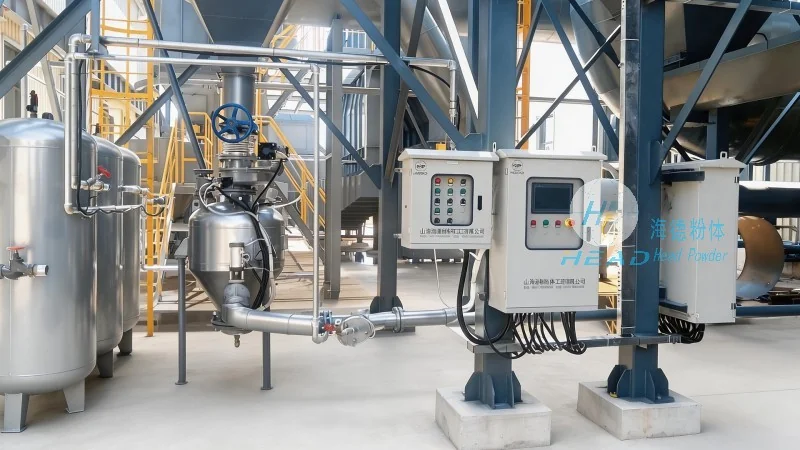
Operation Process of the Metering Bin Pump
The operation of the metering bin pump follows a systematic sequence to ensure consistent and accurate material delivery. The process begins with the material being fed into the storage bin from a hopper or a silo. The material then rests in the bin until the pump is activated. When the pump starts, the metering valve opens, allowing a controlled amount of material to enter the pump chamber. The pump then compresses the material, creating a pressure differential that propels the material through the conveying line to the discharge point. The control system continuously monitors the flow rate and pressure, adjusting the pump speed or valve position as needed to maintain the desired flow rate. This closed-loop control ensures that the material is delivered at a consistent rate, preventing overfilling or underfilling of the receiving vessel.
Working Principle of the Metering Bin Pump
The working principle of the metering bin pump is based on the principles of pneumatic conveying and positive displacement. The pump operates by creating a pressure difference between the inlet and outlet of the pump chamber. As the pump diaphragm or piston moves, it alternately draws material into the chamber and forces it out through the conveying line. The metering valve plays a critical role in this process by controlling the amount of material entering the pump chamber per cycle. By adjusting the valve opening, the system can regulate the flow rate, ensuring that the material is delivered at the exact rate required by the downstream process. The control system uses sensors to monitor parameters such as pressure, flow rate, and material level, providing real-time feedback to the pump and valve actuators. This feedback loop allows for dynamic adjustments, maintaining the system's performance even under varying load conditions.
Advantages of the Metering Bin Pump System
HeadPowder's metering bin pump system offers several advantages over traditional material handling methods. The system provides precise measurement and control, ensuring that the correct amount of material is delivered to the processing unit. This accuracy is crucial in industries such as pharmaceuticals, food processing, and chemical manufacturing, where product consistency is paramount. The system also offers high efficiency and low maintenance requirements, as it eliminates the need for manual handling and reduces the risk of material contamination. Additionally, the pneumatic conveying aspect of the system allows for the transport of materials over long distances without the need for complex infrastructure, making it suitable for various industrial applications.
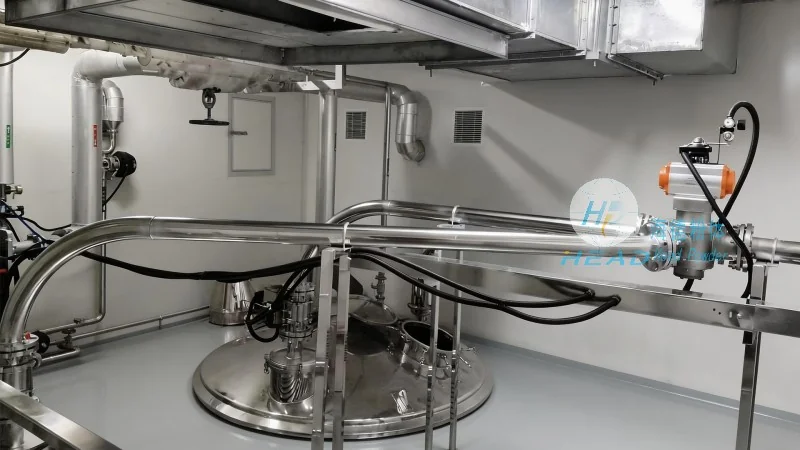
Applications and Industries
The metering bin pump system is widely used in various industries due to its versatility and efficiency. In the chemical industry, it is used to transport powders and granules from storage tanks to reactors or packaging units. In the food and beverage industry, it is employed to handle ingredients such as flour, sugar, and spices, ensuring hygienic and accurate delivery. The pharmaceutical industry also benefits from this system, as it allows for the precise measurement and transport of active pharmaceutical ingredients (APIs) and excipients. Additionally, the system is used in the mining and mineral processing industry to transport ores and concentrates from storage bins to processing plants. HeadPowder's expertise in customizing these systems ensures that they are suitable for a wide range of applications, meeting the specific needs of each industry.
Conclusion
In conclusion, the metering bin pump material handling system is a highly efficient and reliable solution for precise bulk material transport. HeadPowder's engineering expertise ensures that these systems are designed to meet the specific requirements of each industrial application, offering accuracy, efficiency, and durability. The operation process and working principle of the system are based on advanced engineering principles, ensuring consistent performance and minimal maintenance. As industries continue to demand higher levels of precision and efficiency in material handling, the metering bin pump system remains a critical component in modern industrial operations.




