Efficient material handling systems are fundamental to the dairy and food processing industries, especially when dealing with milk powder. These systems ensure the safe, hygienic, and reliable transportation of powdered milk products from storage to processing or packaging stages. The proper functioning of such systems is critical for maintaining product quality, reducing contamination risks, and optimizing production line efficiency. This article provides an in-depth look at the operation process and working principle of milk powder material handling systems, highlighting the key components, step-by-step procedures, and technical considerations involved. The systems are typically engineered and manufactured by companies like Shandong HeadPowder Engineering Co., Ltd. (headpowder), a leading provider of specialized material handling solutions for the dairy and food processing sectors.
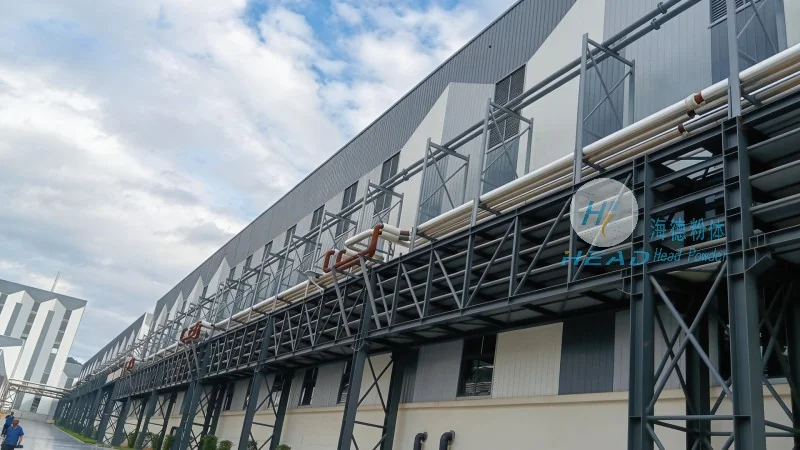
Introduction to Milk Powder Material Handling Systems
The milk powder material handling system is a specialized setup designed to manage the flow of milk powder from bulk storage to the final processing or packaging stage. Milk powder, due to its fine particle size and hygroscopic properties, requires careful handling to prevent caking, dust generation, and contamination. The system is engineered to address these challenges while ensuring consistent product quality and operational efficiency. It plays a pivotal role in modern dairy processing, supporting processes like spray drying, agglomeration, and packaging, where precise control over the quantity and flow of milk powder is essential.
Key Components and Their Roles
The milk powder material handling system typically comprises several key components, each with a specific function in the overall operation. These components work in tandem to ensure smooth and continuous material flow. The primary components include bulk material feeders, conveyor systems (such as screw or belt conveyors), pneumatic transport pipelines, dosing or weighing mechanisms, and control panels. Each component is selected based on the characteristics of milk powder and the specific requirements of the production line.
Bulk material feeders are responsible for discharging milk powder from storage silos or hoppers. They are designed to handle the fine, cohesive nature of milk powder, ensuring a consistent flow rate without causing blockages or agglomeration. Conveyor systems, either mechanical or pneumatic, transport the powder along the designated path. Mechanical conveyors, like screw conveyors, use rotational motion to move the powder, while the belt conveyor uses a moving belt to transport the material. Pneumatic systems, on the other hand, utilize compressed air to propel the powder through pipelines. This method is particularly effective for vertical or long-distance transport, as it minimizes product degradation and ensures consistent flow.
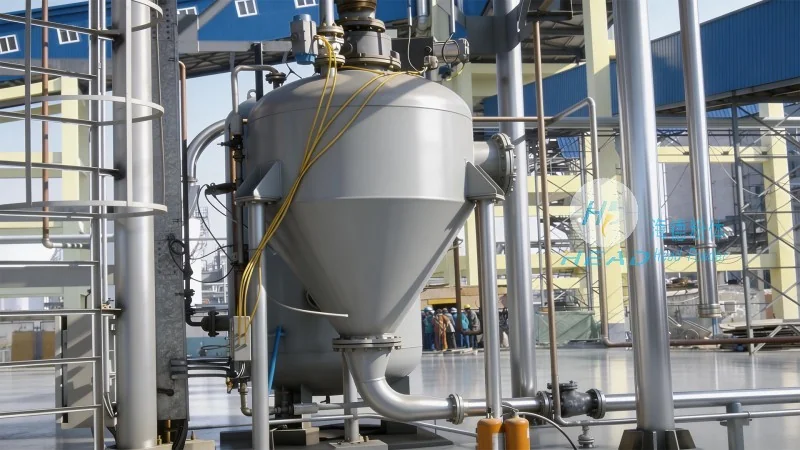
The dosing mechanism operates on either gravimetric or volumetric principles. Gravimetric dosing measures the weight of the material as it is dispensed, providing high accuracy for precise dosing. Volumetric dosing measures the volume of the material, which is suitable for applications where high accuracy is less critical. The system integrates sensors and control algorithms to adjust the flow rate based on real-time measurements, ensuring that the exact amount of milk powder is delivered for each batch. This precision is crucial for maintaining product consistency and meeting regulatory requirements.
The Operation Process: Step-by-Step Overview
The operation process of a milk powder material handling system follows a systematic sequence to ensure efficient material transfer. The process begins with the storage of milk powder in bulk silos or hoppers. The powder is then discharged from the storage vessel into a feeder, which regulates the flow rate. The feeder transfers the powder to a conveyor system, which transports it to the processing or packaging area. For long-distance or vertical movement, pneumatic transport systems are employed to move the powder through pipelines. At the processing or packaging station, the dosing mechanism measures the required quantity of milk powder and dispenses it into containers or mixing tanks. The entire process is controlled by a central system that monitors and adjusts parameters in real-time to maintain optimal performance.
Working Principle: How the System Transfers and Doses Milk Powder
The working principle of the milk powder material handling system combines mechanical and pneumatic technologies to achieve precise and efficient material transfer. Mechanical components, such as screw or belt conveyors, use rotational motion to move the powder along the conveyor path. The screw conveyor, for example, rotates to push the powder forward, while the belt conveyor uses a moving belt to transport the material. Pneumatic systems, on the other hand, rely on compressed air to create a pressure differential that propels the powder through pipelines. This method is particularly effective for vertical or long-distance transport, as it minimizes product degradation and ensures consistent flow.
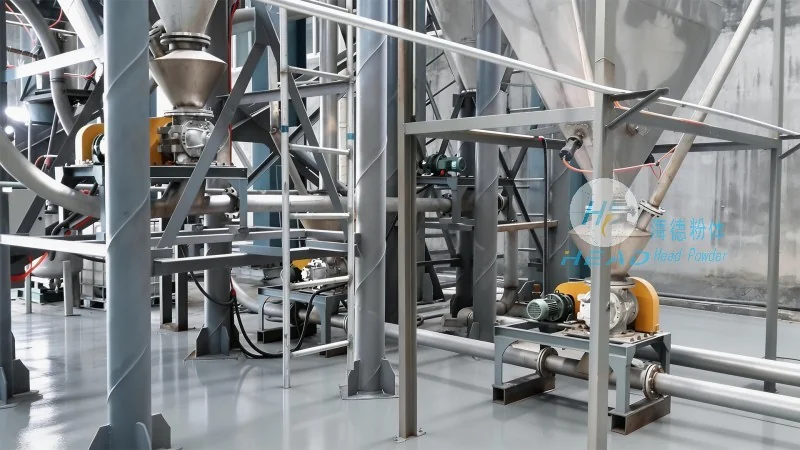
The dosing mechanism operates on either gravimetric or volumetric principles. Gravimetric dosing measures the weight of the material as it is dispensed, providing high accuracy for precise dosing. Volumetric dosing measures the volume of the material, which is suitable for applications where high accuracy is less critical. The system integrates sensors and control algorithms to adjust the flow rate based on real-time measurements, ensuring that the exact amount of milk powder is delivered for each batch. This precision is crucial for maintaining product consistency and meeting regulatory requirements.
Technical Specifications and Efficiency Considerations
Technical specifications of the milk powder material handling system vary based on the scale of operation and the specific needs of the dairy facility. Key technical parameters include the capacity of the storage silos, the speed of the conveyor system, the accuracy of the dosing mechanism, and the energy consumption of the system. Efficiency considerations are paramount, as they directly impact operational costs and sustainability. The system is designed to minimize energy consumption through optimized motor speeds and efficient airflow in pneumatic systems. Additionally, features like dust collection and containment systems are incorporated to reduce product loss and prevent environmental contamination.
Hygienic design is a critical aspect of the system, as milk powder is a food product subject to strict regulations. The components are typically made of stainless steel and other food-grade materials, with smooth surfaces and no crevices that can harbor bacteria or contaminants. The system is also designed for easy cleaning and maintenance, with access panels and removable parts that allow for thorough sanitation. Advanced control systems, often with user-friendly interfaces, enable operators to monitor and adjust the process parameters, enhancing overall operational efficiency and reducing downtime.




