

Classification and Application Analysis of Thermoplastic Polyurethane Pneumatic Conveying Systems
Thermoplastic polyurethane (TPU) pneumatic conveying systems represent a sophisticated solution for material handling in various industrial sectors. These systems utilize the unique properties of TPU, such as flexibility, durability, and resistance to abrasion and chemicals, to efficiently transport bulk materials through an air-driven process. The classification and application of these systems are critical for optimizing material flow, ensuring system reliability, and meeting specific operational requirements across different industries. Shandong HeadPowder Engineering Co., Ltd., a leading provider of advanced material handling solutions, specializes in the design and manufacturing of TPU pneumatic conveying systems tailored to diverse industrial needs.
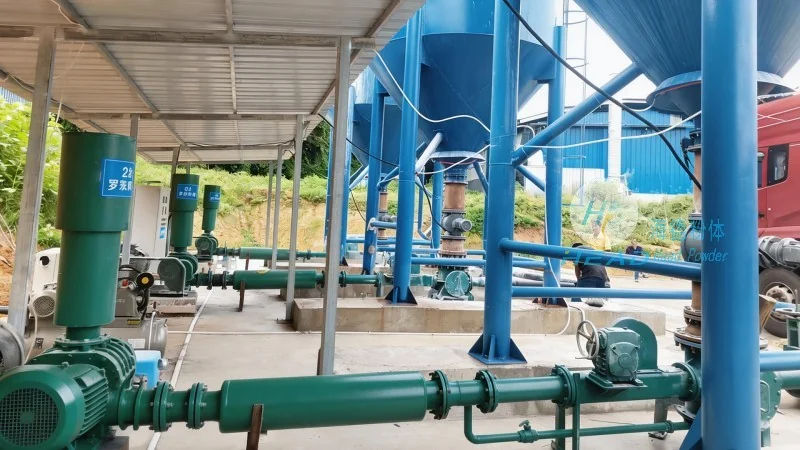
Classification of Thermoplastic Polyurethane Pneumatic Conveying Systems
Thermoplastic polyurethane pneumatic conveying systems can be classified based on several key parameters, including the conveying principle, material type, and system configuration. The primary classification is often divided into two main categories: pressure and vacuum systems. Pressure systems use compressed air to push material through the pipeline, while vacuum systems employ a vacuum to draw material into the system. Within these categories, sub-types include dense-phase and dilute-phase conveying, which differ in the velocity and pressure of the air used to transport the material. Dense-phase systems operate at lower velocities and higher pressures, minimizing material degradation and ensuring a more controlled flow. Dilute-phase systems, on the other hand, use higher velocities and lower pressures, suitable for lighter materials or longer distances. Additionally, the system design may vary based on the application, such as horizontal, vertical, or mixed configurations, which affect the overall efficiency and suitability for specific material handling tasks.
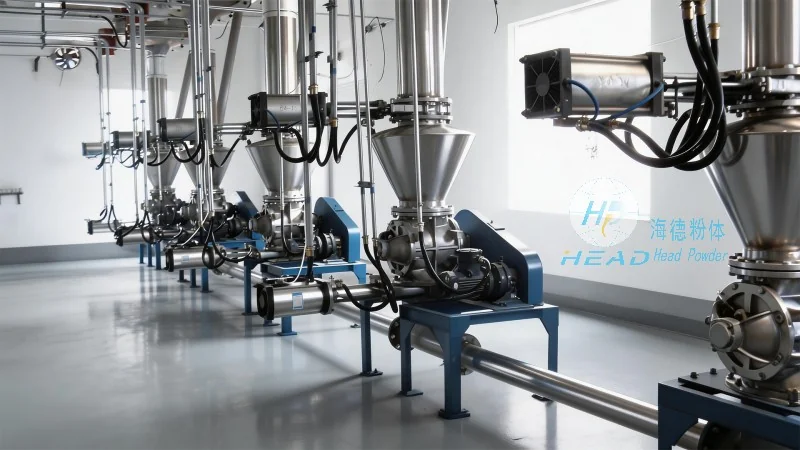
Key Applications of Thermoplastic Polyurethane Pneumatic Conveying Systems
Thermoplastic polyurethane pneumatic conveying systems find extensive applications across diverse industries due to their adaptability and performance. In the pharmaceutical industry, these systems are used for the handling of powders and granules, ensuring sterile and contamination-free transport. The TPU material's biocompatibility and resistance to chemicals make it ideal for pharmaceutical applications. In the food processing sector, TPU systems are employed to convey food-grade powders and ingredients, maintaining hygiene standards and preventing cross-contamination. The flexibility of TPU also allows for easy cleaning and maintenance, which is crucial in food processing environments. The chemical industry utilizes TPU pneumatic conveying systems for transporting abrasive and corrosive materials, such as powders and granules, due to the material's resistance to wear and chemical exposure. Additionally, in the mining and mineral processing industries, these systems are used to handle bulk materials like ores and minerals, improving operational efficiency and reducing downtime. The robust design of TPU systems ensures reliable performance even in harsh conditions, making them suitable for demanding applications.
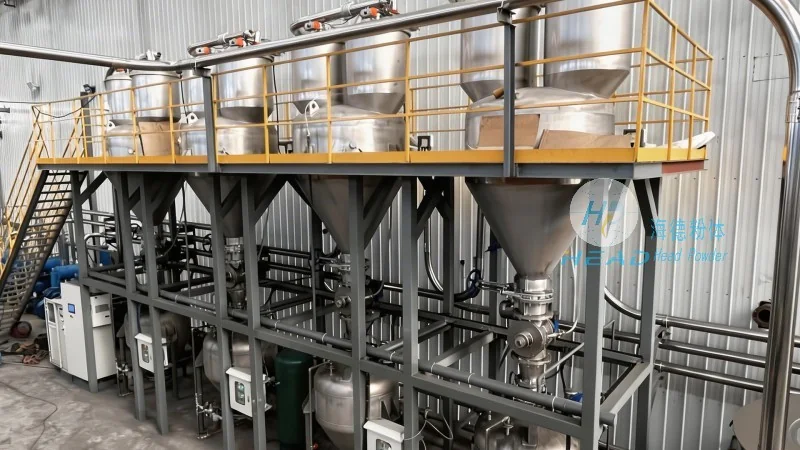
Advantages of Thermoplastic Polyurethane in Pneumatic Conveying
The choice of thermoplastic polyurethane as the material for pneumatic conveying systems offers several advantages over traditional materials like metal or rubber. TPU's flexibility allows for the construction of flexible hoses and pipelines, which can bend and adapt to complex layouts, reducing installation costs and complexity. This flexibility also minimizes the risk of material blockages and ensures smooth material flow. TPU is highly resistant to abrasion, which is critical when handling abrasive materials, as it reduces wear and extends the system's lifespan. The material's chemical resistance makes it suitable for conveying a wide range of materials, including those that are corrosive or reactive. TPU also exhibits good fatigue resistance, allowing the system to withstand repeated cycles of operation without degradation. Furthermore, TPU is lightweight, which reduces the overall system weight and simplifies installation and maintenance. The material's biocompatibility and non-toxic nature make it suitable for applications where material purity is essential, such as in the pharmaceutical and food industries.
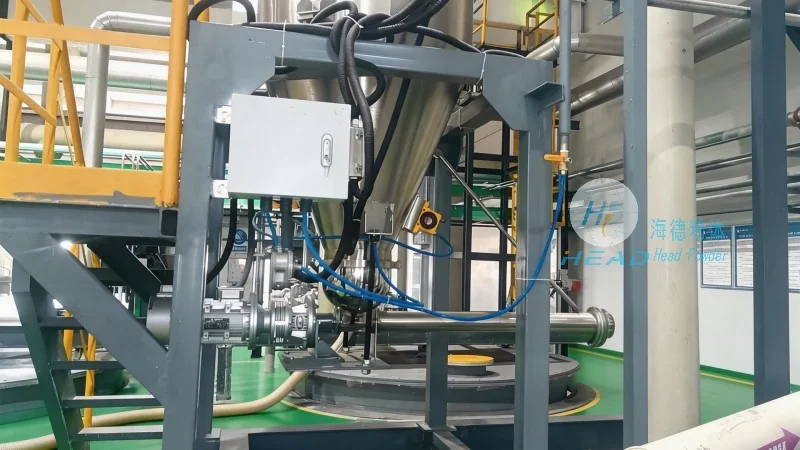
System Components and Design Considerations
The design of a thermoplastic polyurethane pneumatic conveying system involves several key components, each playing a critical role in the overall performance. The primary components include the material feed hopper, which stores and feeds the bulk material into the system. The feeder, typically a rotary or vibratory type, controls the material flow rate, ensuring consistent and controlled transport. The conveying line, made from TPU, is responsible for transporting the material through the system. The air supply system, which includes a compressor and air treatment equipment, provides the necessary pressure or vacuum to move the material. The system may also include components such as cyclones or filters to separate the material from the air stream and collect the conveyed material. Design considerations include the material's particle size and density, as these factors affect the system's performance and efficiency. The system's layout, including the length and direction of the conveying line, must be optimized to minimize energy consumption and ensure smooth material flow. Additionally, the choice of TPU grade and thickness is critical, as it determines the system's durability and resistance to wear and chemicals. Proper system sizing and configuration are essential to meet the specific operational requirements and ensure optimal performance.